This article contains affiliate links. If you buy through them, we may earn a commission at no extra cost to you.
How this article was made: Research-based comparison. It draws on published information from makers, retailers, and reference sources, not on hands-on testing.
Quick picks
- Olympus Sashiko Sampler Traditional Shippo Tsunagi, Blue — $9.99: a pre-printed sampler panel; the stitching lines wash out
- Daruma Sashiko 100% Cotton Sewing Cloth with Grid Line and Fabric Marking Pencil — $22.80: cloth with a printed grid, plus a marking pencil
- SiiRo Handmade Indigo Cotton Fabric, 2 Yard x 45in — $29.99: plain hand-dyed indigo cotton, two yards
Prices on Amazon.com, checked October 3, 2026.
The Short Answer: The Best Fabric for Sashiko
The cloth Japanese makers sell for sashiko is plain 100% cotton, so the real choice is how much of the pattern is already on it. Olympus, for example, prints its beginner-level hana-fukin panels on sarashi momen, a bleached 100% cotton, and sells the same kind of cloth plain or with a dot grid.
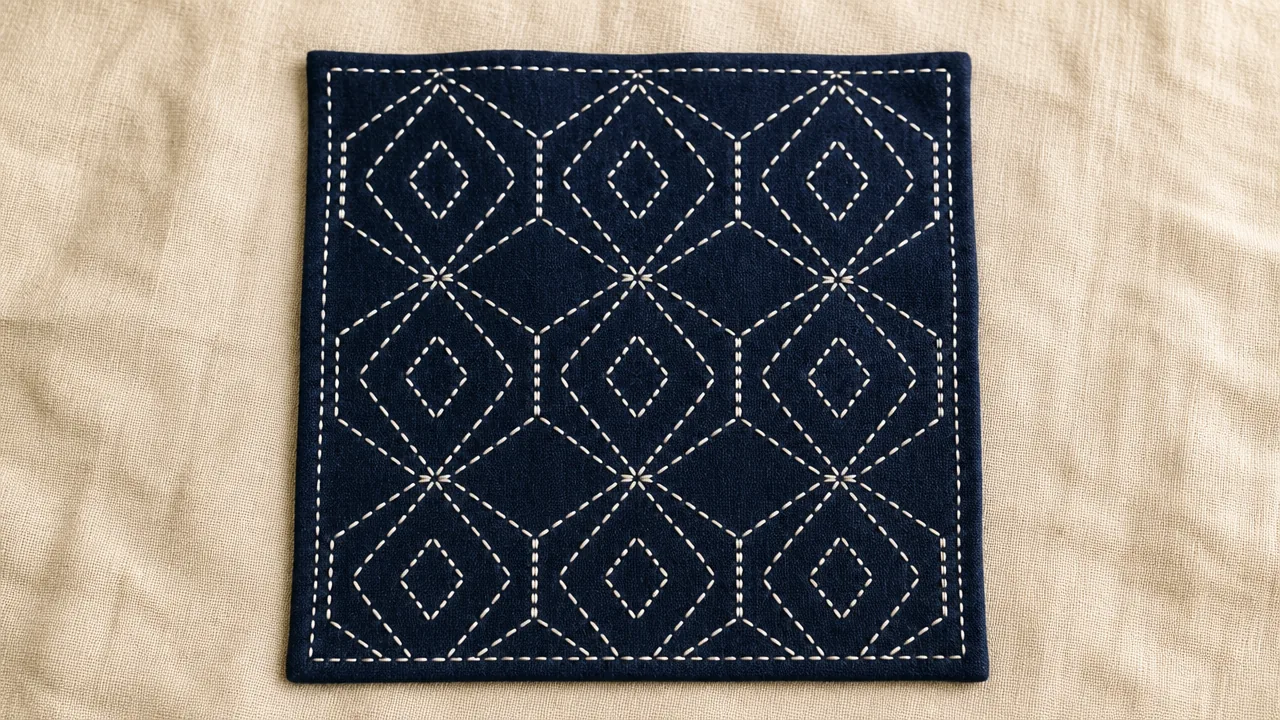
- Pattern already printed: the Olympus Sashiko Sampler. It is the pick in this guide for a first project, because the lines are printed in washable ink and nothing has to be transferred
- Printed grid: the Daruma grid-line cloth, for stitching a design of your own with a guide to keep the rows straight
- Plain cloth by the yard: the SiiRo indigo cotton, a two-yard cut for larger pieces; the pattern has to be drawn on
If you are mending a garment, the garment is the fabric. For the stitch itself, see How to Sashiko Stitch: A Beginner’s Step-by-Step Guide.
What Makes Sashiko Fabric Different from Regular Cotton
Japanese needlework makers sell cloth made for sashiko, and it is plainer than you might expect. Olympus, for example, prints its hana-fukin sashiko panels on sarashi momen, a bleached 100% cotton, and rates them beginner level. It sells the same kind of cloth plain, in white and in colours, for stitching a design of your own, and with a printed dot grid as a guide. So the choice is less about a special weave than about how much of the pattern is already on the cloth.
For a broader introduction to the craft itself, What Is Sashiko? Meaning, History and Patterns of Japanese Stitching covers the history and techniques in detail. This article focuses specifically on choosing the right cloth — whether you are reinforcing denim, making a coaster set, or stitching your first full sampler panel.
Key Characteristics of Good Sashiko Fabric
Not all fabric labeled ‘sashiko cloth’ is created equal. There are a few structural and practical qualities worth understanding before you buy.
Fibre comes first. The cloth Olympus sells for sashiko is 100% cotton, and all three fabrics in this guide are 100% cotton as well.
Size also matters. Olympus sells its plain sashiko cotton in pieces of about 33–34 × 70 cm, which it describes as being for hana-fukin (a small household cloth) and similar pieces. Yardage, like the two-yard SiiRo cut below, is for larger projects.
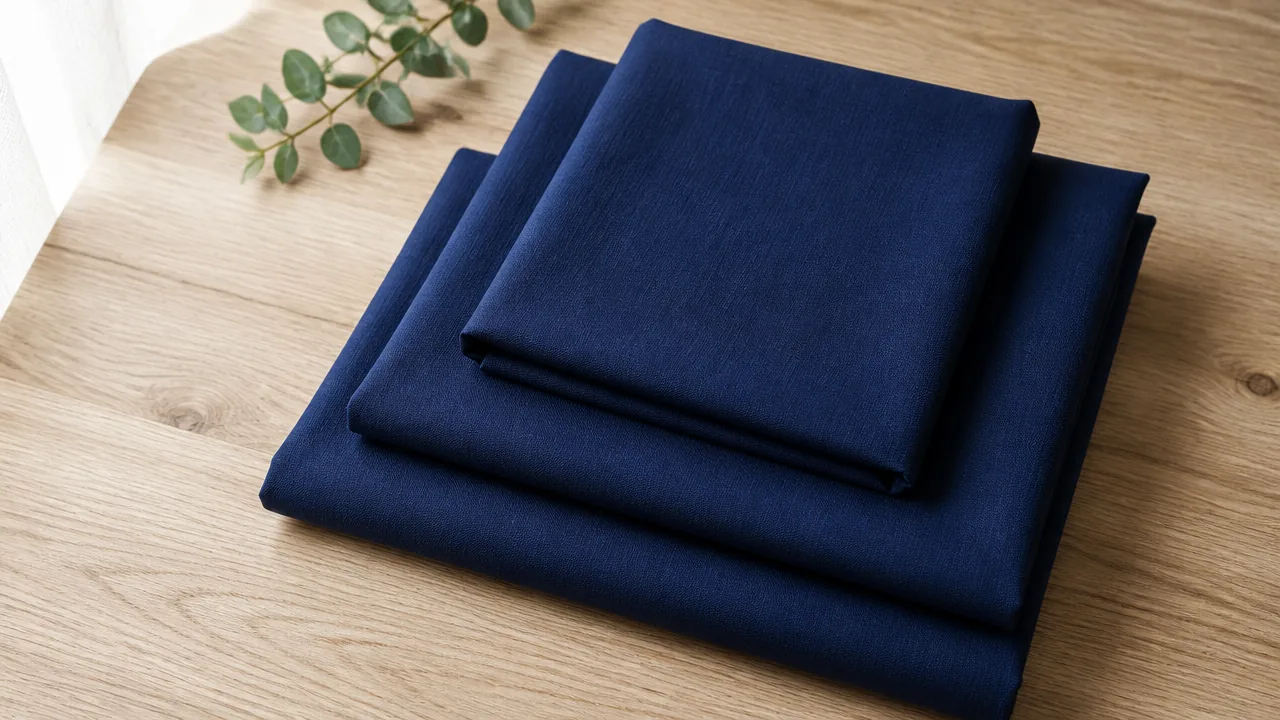
Color is more than aesthetic. Deep indigo blue is the historical standard for sashiko, and white thread on navy or indigo is the classic combination. That said, undyed or natural white fabric is equally valid, especially if you want to dye the finished piece yourself or prefer a contemporary look.
Finally, consider whether you want pre-printed guide lines or plain cloth. Pre-printed pattern fabric comes with washable grid lines or motif outlines already applied, which is a significant time-saver for beginners. Plain cloth gives you creative freedom but requires you to transfer or draw your own pattern — a skill that takes practice to do accurately.
Top 3 Sashiko Fabrics by Price — Quick Comparison
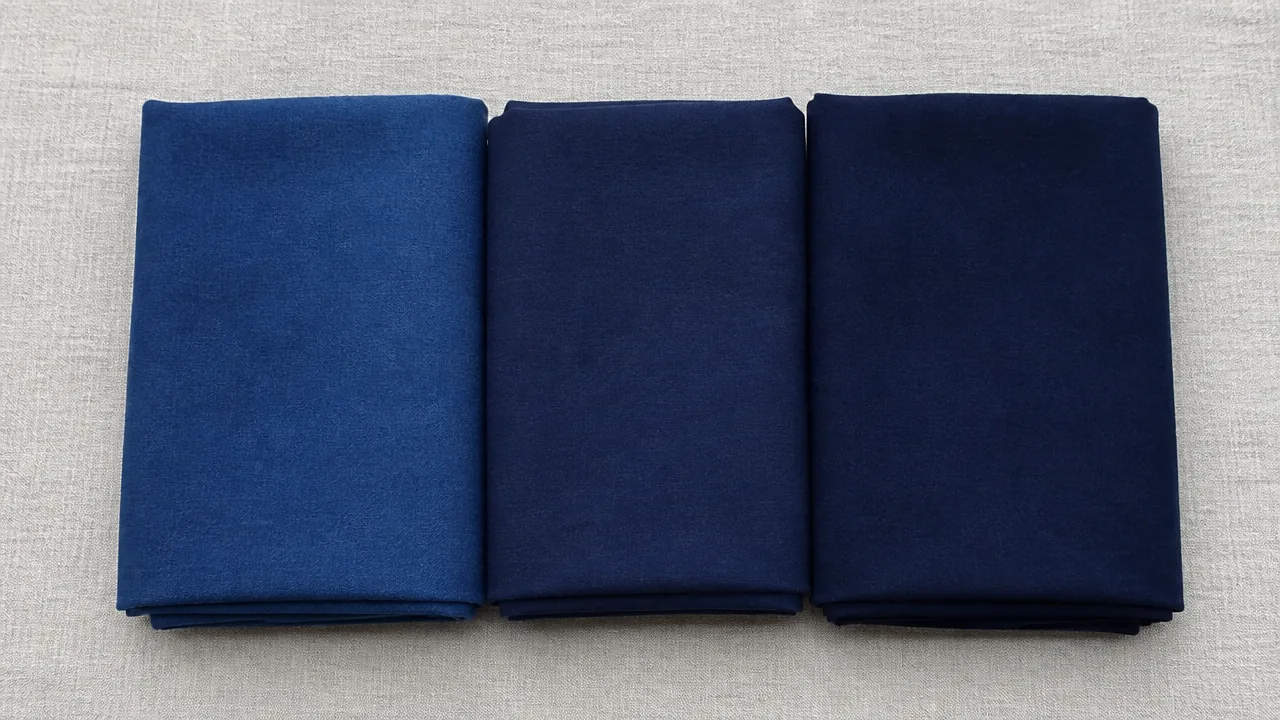
Here is a side-by-side look at the three recommended fabrics covered in this article. Prices are in US dollars from the Amazon.com listings, checked October 3, 2026.
| Product | Price | Best For | Pre-Printed Lines | Size |
|---|---|---|---|---|
| Olympus Sashiko Sampler Traditional Shippo Tsunagi, Blue | ~$9.99 | Beginners, single project | Yes (washable) | Sampler panel |
| Daruma Grid-Line Sashiko Cloth | ~$22.80 | Intermediate crafters | Grid lines + pencil | Medium yardage |
| SiiRo Handmade Indigo Cotton Fabric | ~$29.99 | Advanced / decorative projects | None (plain cloth) | 2 yards x 45 in |
All three are 100% cotton. The right choice depends on your project size, how much pattern prep work you want to do yourself, and whether you prioritize convenience or creative control.
Each Fabric in Detail
Entry pick — Olympus Sashiko Sampler Traditional Shippo Tsunagi, Blue (~$9.99)
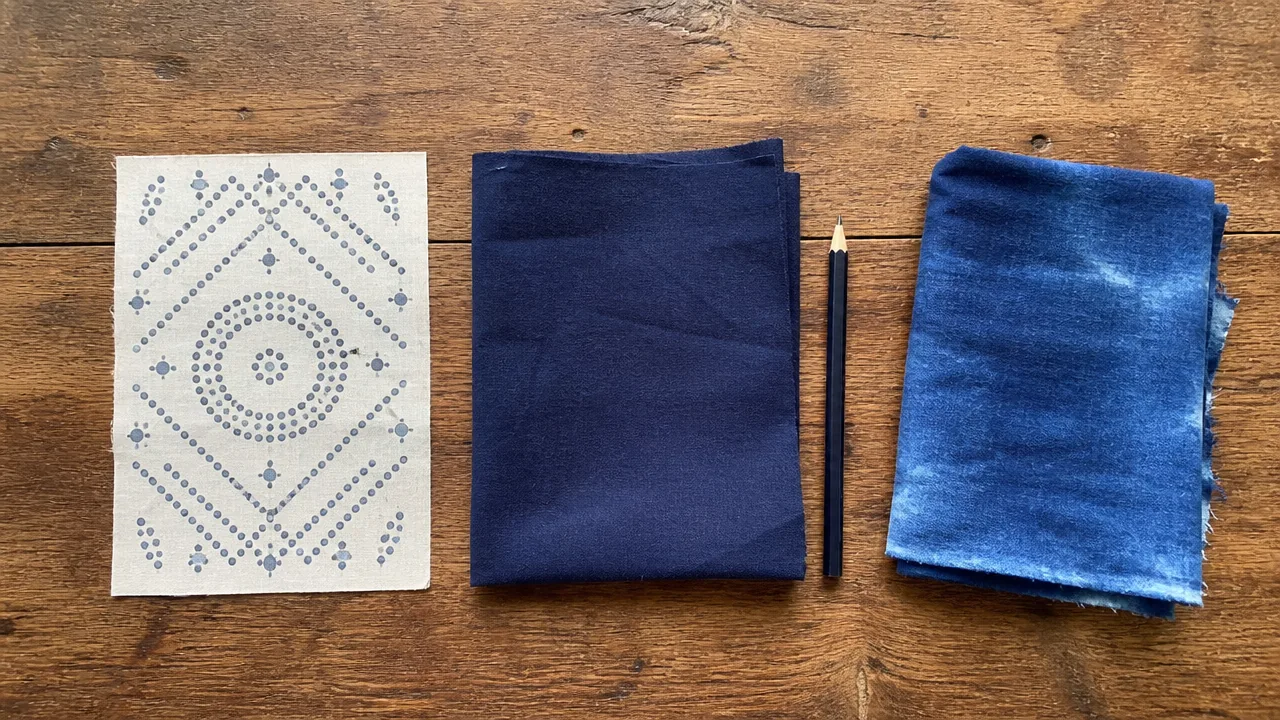
This is a pre-printed sampler panel from Olympus, a Japanese needlework maker that rates its hana-fukin panels as beginner level. The fabric comes with the Shippo Tsunagi (seven treasures linked) pattern already printed in washable ink directly on the cloth. You simply stitch over the lines, and when the piece is finished, a gentle wash removes the guide marks entirely. The result looks clean and intentional — no evidence of printed guidelines remains.
This format is ideal if you want to focus purely on learning the stitch rhythm without worrying about pattern transfer. The panel size is suited to a single finished project such as a coaster, small pouch, or framed piece. One caveat worth noting: stock has been listed as limited on Amazon, so if you see it available, it is worth picking up sooner rather than later.
Daruma Sashiko 100% Cotton Sewing Cloth with Grid Line and Fabric Marking Pencil Set, Navy Blue (~$22.80)
Daruma’s offering sits in the mid-range and takes a slightly different approach. Instead of a pre-printed pattern, the fabric comes with a grid line printed on it — useful for aligning your own motif — along with a fabric marking pencil included in the set. This gives you more flexibility than a fixed sampler panel while still providing a reference structure to keep rows straight. The cloth itself is 100% cotton in a classic navy blue. If you already have a pattern in mind and just need reliable cloth plus layout tools, this set covers both needs.
SiiRo Handmade Indigo Cotton Fabric, 100% Cotton Wax-Dyed Cloth, 2 Yard x 45in, Ink Blue (~$29.99)
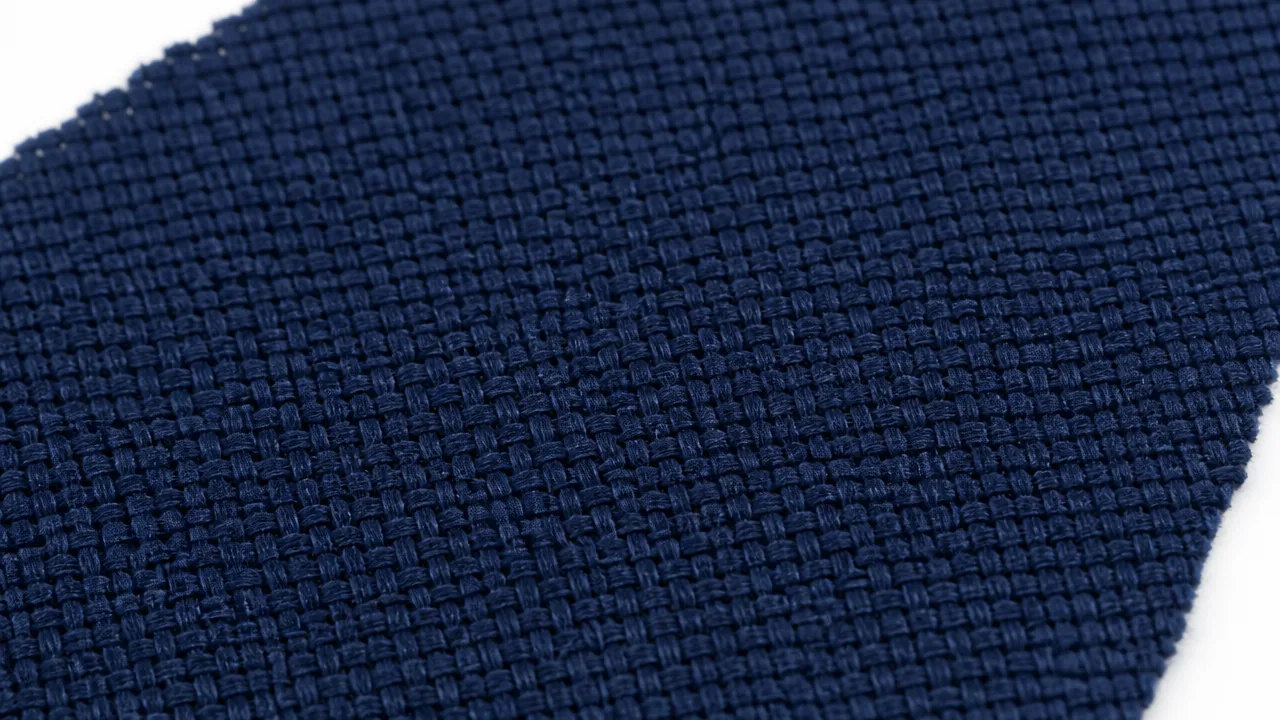
The SiiRo cloth is the most generous in terms of yardage — two full yards at 45 inches wide — and it has a distinct character compared to the other two. The product description specifies a wax-dyed process, which gives the fabric an indigo-look depth and slight surface variation that machine-printed cloth does not replicate. It is not marketed as traditional fermented indigo ai-zome, but the wax-dyed indigo cloth has an artisan quality that suits decorative or wearable projects where the fabric’s own appearance is part of the design. Because there are no printed lines, pattern transfer is entirely your responsibility — factor that into your project planning.
How to Choose the Right Fabric for Your Project
The single most useful question to ask yourself before buying sashiko fabric is: how much prep work do I want to do before I can start stitching?
If your answer is ‘as little as possible,’ a pre-printed sampler panel like the Olympus option removes almost every barrier. The pattern is already there, the cloth is sized for a manageable first project, and the price point is low enough that mistakes are not costly. This is the path most first-timers should take.
If you already have a pattern selected — from a sashiko pattern book, a printout, or your own graph paper sketch — and you just need a reliable base cloth, the Daruma set makes sense. The included grid and marking pencil let you transfer your design accurately without buying those tools separately. It suits crafters who are past the ‘learning the stitch’ phase and ready to execute a specific design.
For larger projects — table runners, jacket panels, wall hangings — yardage matters, and the SiiRo cloth’s two-yard cut gives you room to work. The listing describes the cloth as wax-dyed, so the surface is not a flat, even colour, which matters if the fabric itself is part of the design.
One thing that cuts across all price tiers: pair your fabric with appropriate thread. The weight and twist of your sashiko thread should be matched to your cloth weight. Our guide to Best Sashiko Thread for Beginners: Top Picks and Buying Guide walks through that selection in detail. And if you are starting completely from scratch — no needle, no hoop, no thread — you may want to consider a full kit instead. Best Sashiko Starter Kit 2026: Top Picks by Skill Level covers bundled options that include fabric, thread, and needles together.
What You Will Also Need
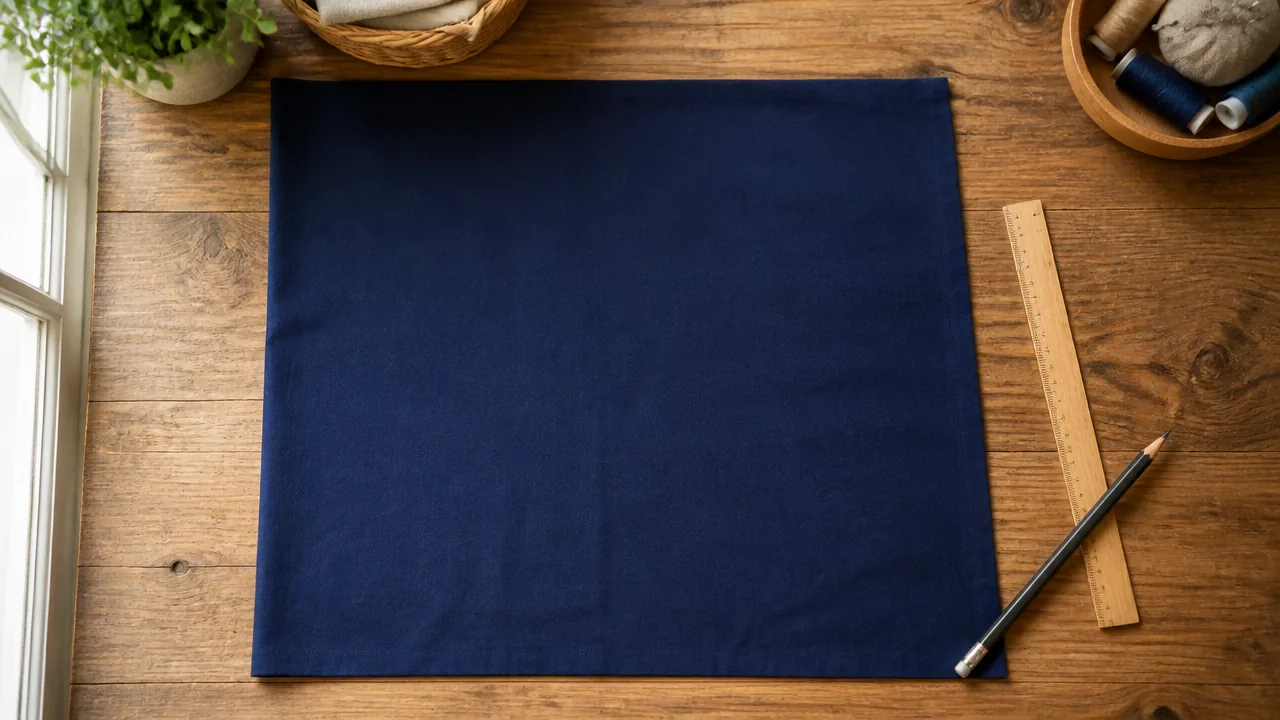
Fabric is only one of three essentials; you also need these.
- Extra sashiko thread — Olympus Sashiko Thread 20m 4-Skein Color Bundle (about $8.60 on Amazon.com, October 2026): four 20m skeins of 100% cotton sashiko thread from a Japanese maker, so you can keep stitching after the first project.
- Sashiko needles — Clover Sashiko Needles (about $6.02 on Amazon.com, October 2026): eight long needles in four sizes; regular embroidery needles are too short for loading several stitches at once. Best Sashiko Needles compares this pack with three others by length and eye.
Frequently Asked Questions
Can I use regular cotton fabric for sashiko?
You can, and many people do — especially when reinforcing existing garments like jeans or jackets where the base fabric is already chosen for you. For a standalone project, cloth sold for sashiko saves a step: Olympus, for example, sells bleached 100% cotton plain, with a dot grid, or with the pattern already printed.
Do I need pre-printed pattern fabric as a beginner?
Not strictly, but it helps more than most beginners expect. Transferring a geometric sashiko pattern accurately — keeping rows parallel, maintaining consistent spacing, and aligning corners cleanly — is genuinely difficult on plain cloth, especially on dark navy where pencil marks are hard to see. A pre-printed sampler removes that entire challenge and lets you focus on the stitch itself. Once you have developed a feel for the rhythm and tension of sashiko, moving to plain or grid-lined cloth becomes much easier.
Does sashiko fabric need to be washed before stitching?
Pre-washing is generally recommended. Cotton fabric can shrink when it first gets wet, and if you pre-wash before stitching, you avoid the risk of a finished piece distorting after its first real wash. This is especially relevant for larger projects. For small sampler panels that you plan to frame or display dry, pre-washing is less critical, but it is still a good habit to build.
What color fabric should I start with?
Navy or indigo blue is the traditional choice, and for good reason — white sashiko thread on dark fabric is high contrast and easy to see while you stitch, which makes it forgiving for beginners still learning to keep stitches even. Natural white or off-white fabric is also perfectly valid, particularly if you are working with a colored thread. Avoid mid-toned greys or muted colors for your first project, as the lower contrast makes it harder to evaluate your stitch consistency.
What is the best fabric for sashiko?
Plain 100% cotton. Olympus, a Japanese needlework maker, sells bleached 100% cotton for sashiko plain, with a printed dot grid, or with the pattern already printed. For a first project this guide suggests a pre-printed panel, because there is no pattern to transfer.
What is sarashi cotton?
Sarashi momen is a bleached 100% cotton. Olympus prints its hana-fukin sashiko panels on it, and also sells it plain in pieces of about 33–34 × 70 cm for hana-fukin and similar pieces.
Final Thoughts
Choosing sashiko fabric comes down to matching the cloth to your skill level, your project scale, and how much prep work you are willing to do before the needle ever touches the material. The Olympus pre-printed sampler is the most accessible starting point — low cost, zero pattern-transfer effort, and a clearly defined finished size. The Daruma grid-line set steps up to give you more layout flexibility without leaving you entirely on your own. And the SiiRo wax-dyed cloth offers genuine yardage and a visually distinctive surface for crafters ready to take full creative control.
All three are 100% cotton, all are appropriate for sashiko’s running stitch technique, and all are available through Amazon. Whichever you choose, the most important next step is to simply start stitching — the feel of good fabric under a long sashiko needle is something you will recognize immediately, and it makes the whole process considerably more satisfying.
Have you found a sashiko fabric that works particularly well for you — or are you still deciding between plain cloth and a pre-printed panel? If you are still building out your full setup, our guide to the best sashiko starter kits has everything you need to get started in one place.