This article contains affiliate links. If you buy through them, we may earn a commission at no extra cost to you.
How this article was made: Research-based comparison. It draws on published information from makers, retailers, and reference sources, not on hands-on testing.
Quick picks
For US readers (Amazon.com)
- Global 3-Piece Knife Set (Asian Chef’s, Prep and Paring) — $179.95: 7″ Asian chef’s, 5″ prep and 3.5″ paring knives
- Tojiro DP 2-Piece Chef’s Knife Set — $199.00: 210 mm gyuto and 100 mm paring knife, VG-10 core
For UK & EU readers (SharpEdge, two single knives)
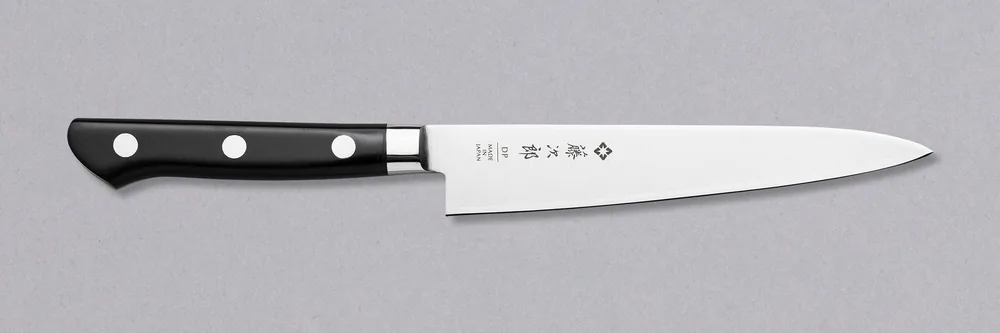
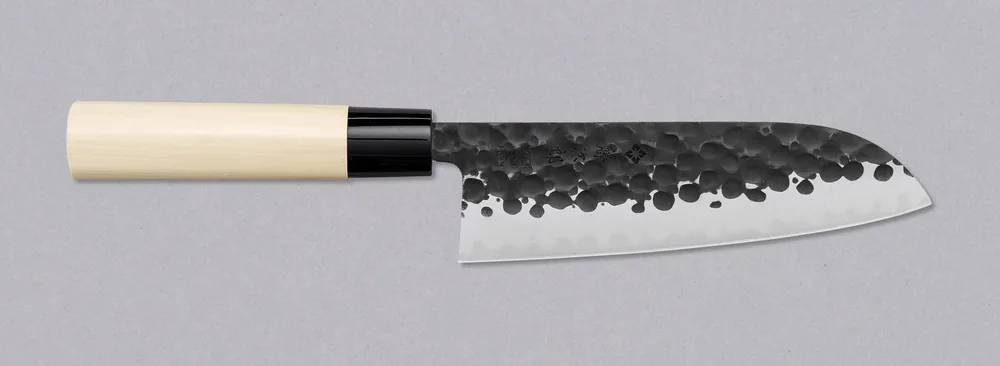
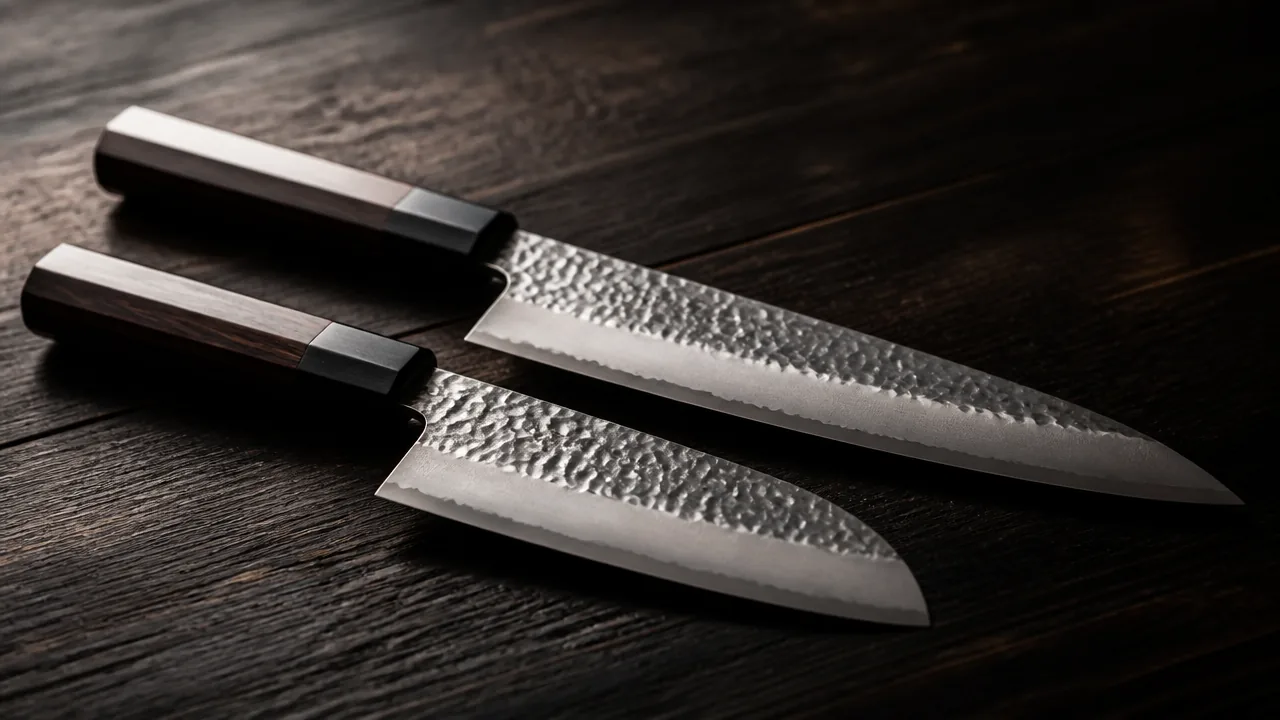
- Tojiro Santoku DP Hammered 170mm + Tojiro DP Petty 150mm — €225.00 for the pair: three-layer VG-10; the two handles differ in style
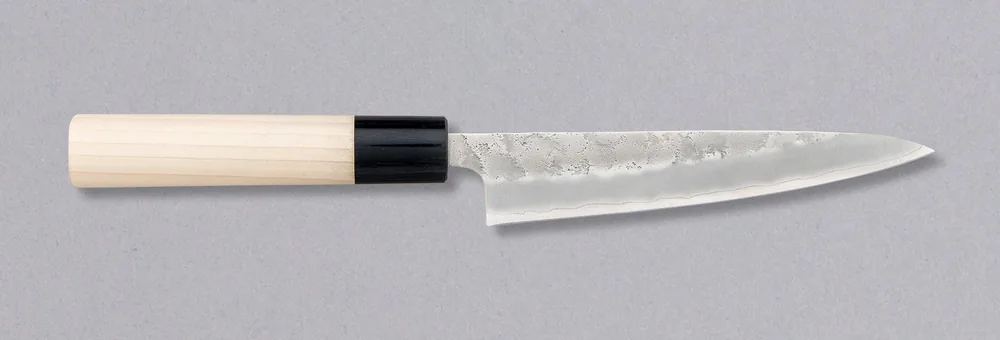
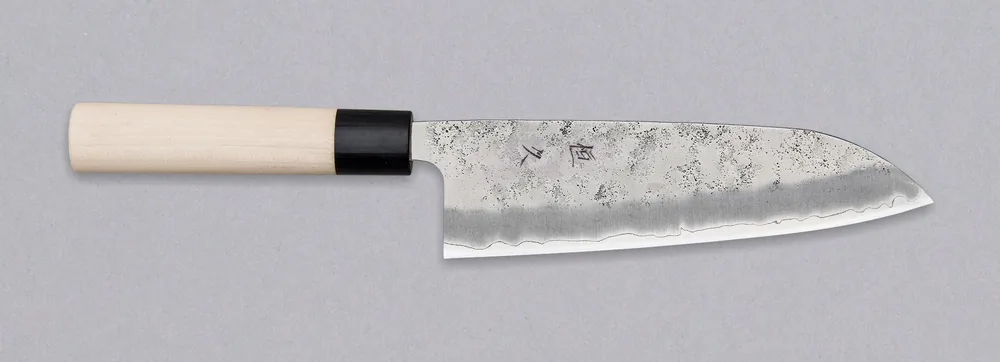
- Tsunehisa Santoku Ginsanko Nashiji Wa 170mm + Tsunehisa Petty Ginsanko Nashiji Wa 135mm — €300.00 for the pair: matching Ginsanko steel, finish and wa handles
Prices checked October 8, 2026 (Amazon.com in US dollars; SharpEdge in euros).
- The Short Answer: Which Japanese Knife Set to Buy
- The Best Japanese Knife Set for Your Own Kitchen
- What to Look for When Buying a Set for Yourself
- Top Picks by Price: Quick Comparison
- Each Set in Detail
- Set Purchase vs. Individual Knives: Is the Bundle Worth It?
- Frequently Asked Questions
- Which Set Should You Choose?
The Short Answer: Which Japanese Knife Set to Buy
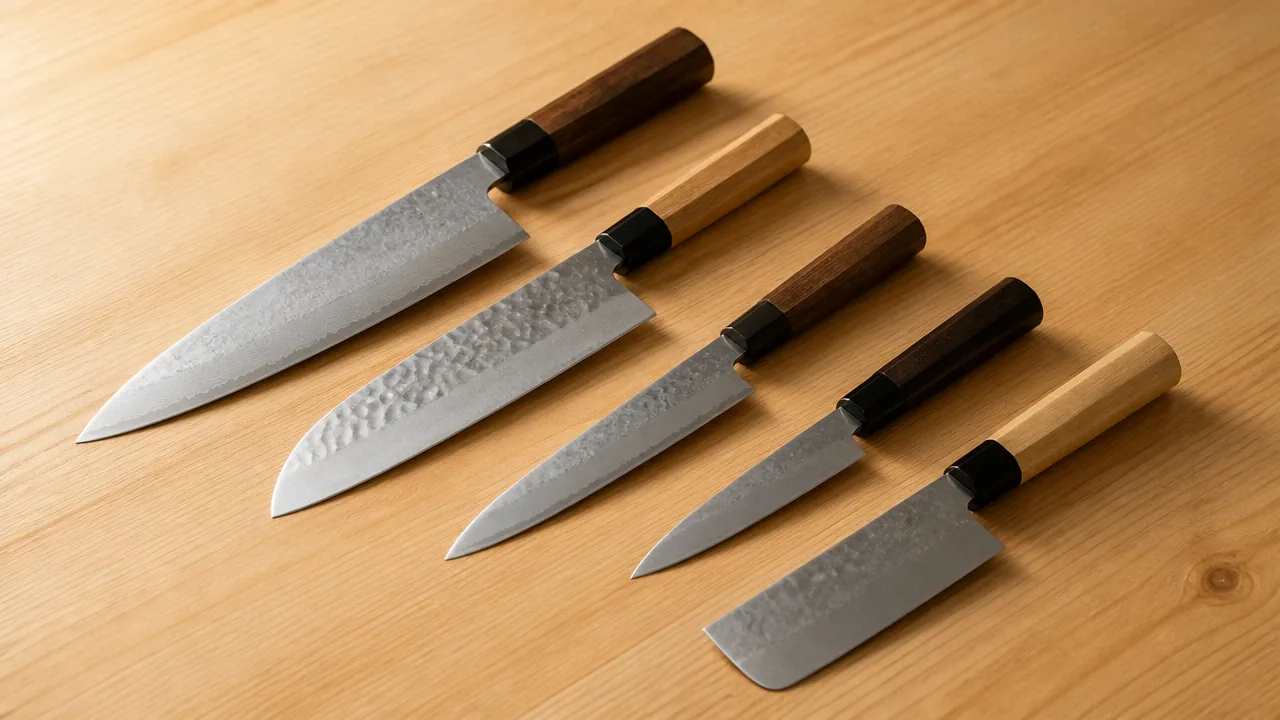
For a home kitchen, a Japanese knife set needs only two or three knives: a chef’s knife (gyuto) or a santoku, plus a petty or paring knife, with a nakiri if you cook a lot of vegetables. That is why every pick in this guide has two or three knives. The four ready-made sets come from makers that state where their knives are made: Global in Tsubame, Tojiro in Tsubame-Sanjo and Shun in Seki.
- A first set under $200: the Tojiro DP 2-Piece Chef’s Knife Set, the pick here if you want VG-10 steel and a riveted Western handle; or the Global 3-Piece Knife Set, the pick if you want three knives and easier maintenance
- Damascus cladding: the Shun Classic 2-Piece Starter Set
- Japanese shapes for vegetable-heavy cooking: the Shun Classic 3-Piece Japan Starter Set, with a santoku and a nakiri
- In the UK and Europe: two single knives from one maker and series, bought as a pair from SharpEdge; the two pairs are in the second table below
Not sure which shapes you need? Santoku vs Gyuto vs Nakiri compares the three.
The Best Japanese Knife Set for Your Own Kitchen
If you are building a real knife collection for your own kitchen — not shopping for a gift — this is the guide for you. It goes straight to Japanese knife sets for home cooks in 2026, sorted by price, with one list for readers in the US and one for readers in the UK and Europe. (If you are actually looking for a present, head over to our Japanese Knife Gift Set for Beginners guide instead.)
For most home cooks, the leap from a single good knife to a small matched set is a big one. You stop reaching for the wrong blade, prep moves faster, and the kitchen simply feels more intentional. The question is which set actually delivers — and whether the bundle beats buying individual knives one at a time.
What to Look for When Buying a Set for Yourself
Buying for yourself is different from buying a gift. You can be ruthlessly practical. Here is what actually matters when choosing a set for daily home cooking.
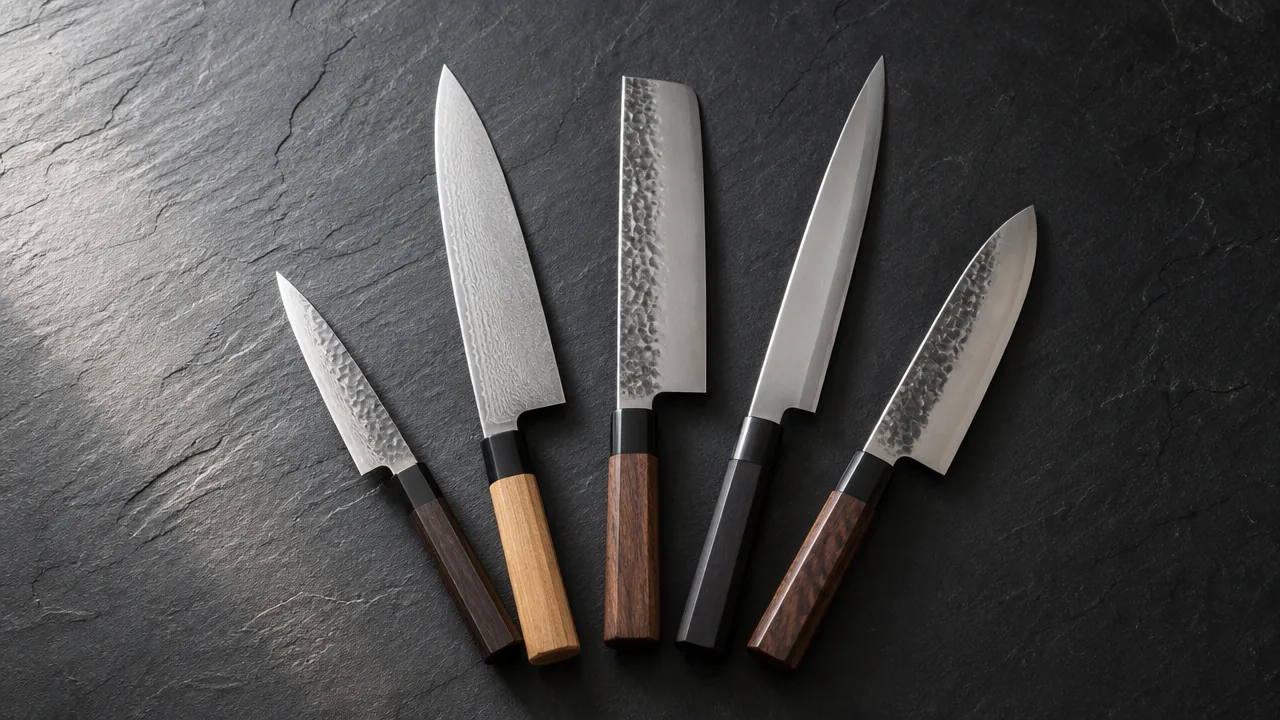
The most useful combination for home cooks covers three roles:
- A gyuto (chef’s knife, 180–210mm) for general slicing and protein work
- A santoku (165–180mm) for everyday chopping and vegetables
- A petty or paring knife (90–150mm) for peeling, trimming, and detail work
A two-knife set (a chef’s knife or santoku plus a small knife) already covers most daily cooking. Sets that add a nakiri or a slicer give you more versatility; be skeptical of sets padded with utility knives you will never use.
Beyond blade selection, think about these practical factors:
- Steel type: Stainless steel forgives occasional moisture far better than reactive carbon steel. For busy home kitchens, stainless or a stainless-clad VG-10 type core is the safer starting point.
- Storage: None of the sets below include a block. Plan for a magnetic strip, a block, or blade guards. For carrying or storing knives in a roll, see Best Japanese Knife Roll and Storage Case 2026.
- Handle style: Western (yo) handles have rivets and a bolster; Japanese (wa) handles are lighter and move the balance toward the blade. Our guide to wa vs Western handles explains the difference.
If you are primarily interested in a single knife to start, check out our Best Japanese Knife for Beginners guide before committing to a full set.
Top Picks by Price: Quick Comparison
All prices and stock below were checked on October 8, 2026. Japanese knife sets are sold differently on each side of the Atlantic, so there are two tables: ready-made sets on Amazon.com for US readers, and two-knife pairs from SharpEdge (an EU-based Japanese knife shop) for readers in the UK and Europe.
For US Readers (Amazon.com)
| Set | Price | Knives included | Steel | Handle | Sold by | Made in |
|---|---|---|---|---|---|---|
| Global 3-Piece Knife Set (Asian Chef’s, Prep and Paring) | $179.95 | 7″ Asian chef’s (hollow edge), 5″ prep, 3.5″ paring | CROMOVA 18 stainless | Stainless steel, dimpled | Cutlery and More | Japan (Tsubame, Niigata) |
| Tojiro DP 2-Piece Chef’s Knife Set | $199.00 | 210mm gyuto (F-808), 100mm paring (F-848) | VG-10 core, 3-layer | Micarta, riveted (Western) | Cutlery and More | Japan (Tsubame-Sanjo, Niigata) |
| Shun Classic 2-Piece Starter Set | $259.95 | 8″ chef’s, 3.5″ paring | VG-MAX core, Damascus cladding | Pakkawood, D-shaped | Amazon.com | Japan |
| Shun Classic 3-Piece Japan Starter Set | $399.95 | 7″ santoku (hollow ground), 6.5″ nakiri, 3.5″ paring | VG-MAX core, Damascus cladding | Pakkawood, D-shaped | Amazon.com | Japan |
“Japan” = the maker states where the knives are made: Shun in Seki City; Global’s maker, Yoshikin, says its GLOBAL knives are manufactured in Tsubame City, Niigata; Tojiro makes its knives in Tsubame-Sanjo, Niigata. “Japan (per retailer)” = the retailer’s listing says Made in Japan, and the statement could not be found on the maker’s own site.
For UK & EU Readers (SharpEdge)
SharpEdge’s ready-made knife sets were almost all sold out when this guide was put together on October 3, 2026, so the two options below are pairs of single knives from the same maker, bought as two separate items. Prices are in euros.
| Pair | Price (pair total) | Knife 1 | Knife 2 | Steel | Handle | Made in |
|---|---|---|---|---|---|---|
| Tojiro DP pair | €225.00 | Tojiro Santoku DP Hammered 170mm (€135.00) | Tojiro DP Petty 150mm (€90.00) | VG-10 core, 3-layer | Santoku: Japanese (wa) magnolia; petty: Western (yo) | Japan (Tsubame-Sanjo, Niigata) |
| Tsunehisa Ginsanko Nashiji pair | €300.00 | Tsunehisa Santoku Ginsanko Nashiji Wa 170mm (€175.00) | Tsunehisa Petty Ginsanko Nashiji Wa 135mm (€125.00) | Ginsanko (Silver 3) core, san-mai | Japanese (wa) magnolia, both | Japan (per retailer) |
SharpEdge’s shipping page (October 2026) lists €10 shipping, free from €300, and €15 to the UK. The Tsunehisa pair reaches the €300 free-shipping line on its own.
Each Set in Detail
Three Knives Under $200: Global 3-Piece Set
The Global 3-Piece Knife Set (Asian Chef’s, Prep and Paring) ($179.95) is the lowest-priced way into a three-knife Japanese set on this list: a 7-inch hollow-edge Asian chef’s knife, a 5-inch prep knife, and a 3.5-inch paring knife. Global’s all-stainless construction, with a dimpled steel handle, is distinctive, and the CROMOVA 18 steel is listed at 56–58 HRC, softer than the VG-10 sets below, which makes it easier to touch up at home. If you prefer a traditional riveted handle, look at the Tojiro instead.
The Classic Two: Tojiro DP 2-Piece Chef’s Knife Set
The Tojiro DP 2-Piece Chef’s Knife Set ($199.00) pairs a 210mm gyuto with a 100mm paring knife. The DP line uses a VG-10 core clad in softer stainless steel and a riveted Micarta Western handle, so it feels familiar if you are coming from German knives. Two knives cover most daily cooking; add a santoku or nakiri later only if you find you need one. If you would rather start with a single gyuto, Tojiro’s Zen line (a different series) is one of the picks in our Best Japanese Gyuto Knife guide.
Step Up: Shun Classic 2-Piece Starter Set
The Shun Classic 2-Piece Starter Set ($259.95, sold by Amazon.com) combines an 8-inch chef’s knife and a 3.5-inch paring knife with a VG-MAX core and Damascus cladding. Shun states that its knives are made in Seki City, Japan. The handle is D-shaped Pakkawood. It costs more than the Tojiro for a similar two-knife lineup; what you pay for is the Damascus finish and the Shun name.
Japanese Shapes: Shun Classic 3-Piece Japan Starter Set
The Shun Classic 3-Piece Japan Starter Set ($399.95, sold by Amazon.com) swaps the Western chef’s knife for two Japanese shapes: a 7-inch hollow-ground santoku and a 6.5-inch nakiri, plus a 3.5-inch paring knife. It suits cooks who prep a lot of vegetables. If you are unsure which shapes you need, read Santoku vs Gyuto vs Nakiri first.
For UK & EU Readers: Tojiro DP Pair (€225)
The Tojiro Santoku DP Hammered 170mm (€135.00) and the Tojiro DP Petty 150mm (€90.00) share Tojiro’s three-layer VG-10 construction, so they sharpen the same way. Note that the handles differ: the hammered santoku has a Japanese D-shaped magnolia handle, while the DP petty has a Western riveted handle.
For UK & EU Readers: Tsunehisa Ginsanko Nashiji Pair (€300)
The Tsunehisa Santoku Ginsanko Nashiji Wa 170mm (€175.00) and the Tsunehisa Petty Ginsanko Nashiji Wa 135mm (€125.00) come from the same series, so the steel (Ginsanko, a stain-resistant Silver 3 core listed at 60–61 HRC), the nashiji (pear-skin) finish and the magnolia wa handles all match. At €300 together, the pair also qualifies for SharpEdge’s free shipping.
Set Purchase vs. Individual Knives: Is the Bundle Worth It?
This is the question most serious home cooks ask before committing to a set.
A ready-made set guarantees that the knives match: the same steel, the same sharpening angle and, usually, the same handle. That coherence matters more than it sounds — after a few months, mismatched knives tend to leave one or two blades in the drawer simply because they feel different in the hand.
Buying two single knives from the same maker and series gets you the same coherence, and it lets you choose the exact shapes you want. That is why the UK and EU list above uses pairs: with most ready-made sets sold out at SharpEdge, a santoku and a petty from one series is the practical equivalent of a two-piece set.
Sets are not always the right move. If you already own a solid santoku and petty, paying for another pair inside a set is wasteful; a single gyuto makes more sense, and our Best Japanese Gyuto Knife 2026 is a good starting point for that search.
Frequently Asked Questions
Do I need five knives, or will three cover everything?
For most home cooks, two or three knives — a chef’s knife or santoku plus a petty or paring knife, with a nakiri if you cook a lot of vegetables — cover daily cooking. Larger sets add slicers and utility knives that many home cooks rarely use, which is why every pick in this guide has two or three knives.
Is a harder steel like VG-10 worth the extra cost?
VG-10 (listed at about 60 HRC for the Tojiro DP knives) is harder than Global’s CROMOVA 18 (listed at 56–58 HRC), so it is made to hold a fine edge longer between sharpenings. The trade-off is that harder edges are less forgiving of twisting or cutting on hard boards. If you cook daily and are happy to use a whetstone, the harder steels earn their price; if you want easy maintenance, the Global is the simpler choice.
Can I put these knives in the dishwasher?
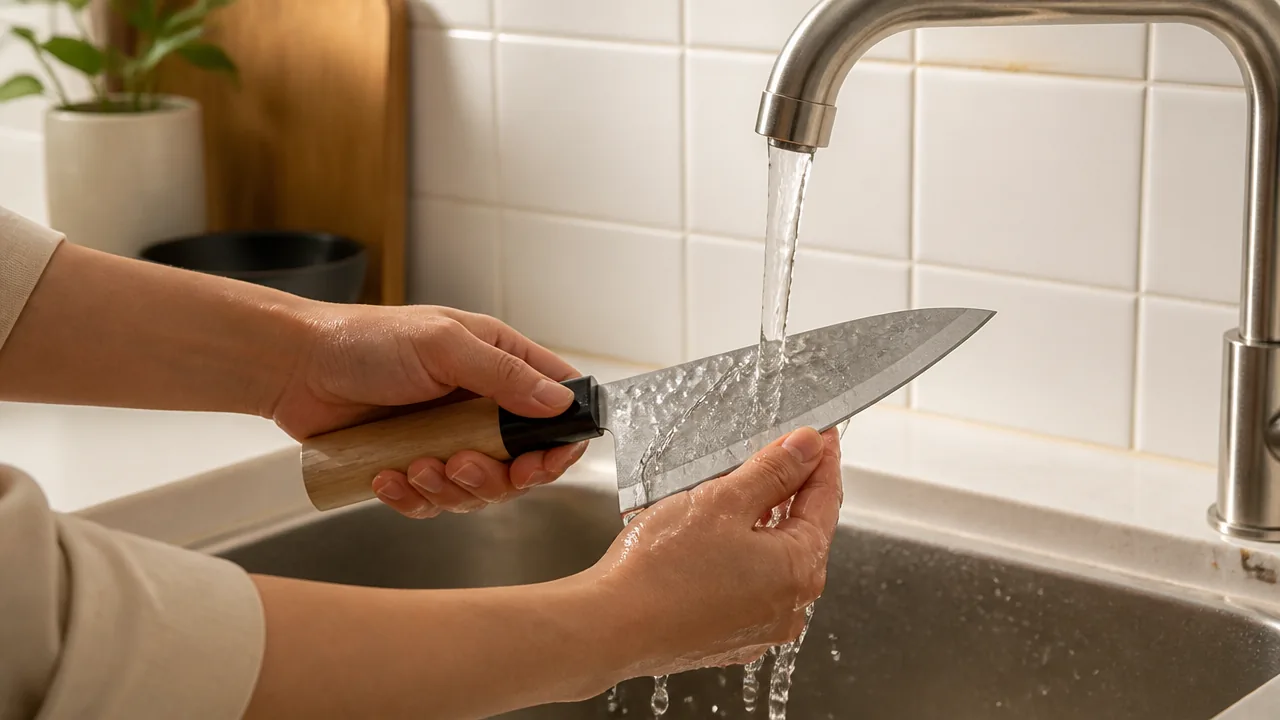
No. Japanese knife makers generally recommend hand washing: heat and harsh detergents can dull the edge and damage handles. Hand wash with mild soap, dry immediately, and store on a magnetic strip, in a block, or with blade guards.
I am not sure I am ready for a full set — where should I start?
If you want to try a quality Japanese knife before committing to a set, starting with a single blade is a completely reasonable approach. Our Best Japanese Knife for Beginners guide walks through the best single-knife entry points at various price levels.
What knives come in a Japanese knife set?
It depends on the set. Of the four ready-made sets in this guide, the Tojiro DP set has a 210mm gyuto and a 100mm paring knife; the Shun Classic 2-Piece has an 8-inch chef’s knife and a 3.5-inch paring knife; the Global set has a 7-inch Asian chef’s knife, a 5-inch prep knife and a 3.5-inch paring knife; and the Shun Classic 3-Piece Japan set has a 7-inch santoku, a 6.5-inch nakiri and a 3.5-inch paring knife.
Are these Japanese knife sets made in Japan?
The makers of the four ready-made sets state where their knives are made: Shun in Seki City; Yoshikin says its GLOBAL knives are manufactured in Tsubame City, Niigata; and Tojiro makes its knives in Tsubame-Sanjo, Niigata. For the Tsunehisa pair, the retailer’s listing says Made in Japan, and the statement could not be found on the maker’s own site.
Which Set Should You Choose?
In the US: for a first set under $200, choose the Tojiro DP 2-Piece Chef’s Knife Set ($199.00) if you want a riveted Western handle and VG-10 steel, or the Global 3-Piece Knife Set (Asian Chef’s, Prep and Paring) ($179.95) if you want three knives and easy maintenance. If you want Damascus steel, the Shun Classic 2-Piece Starter Set ($259.95) is the step up, and the Shun Classic 3-Piece Japan Starter Set ($399.95) is the pick for vegetable-heavy cooking with Japanese blade shapes.
In the UK and EU: the Tojiro DP pair (€225) is the lower-cost route to VG-10, and the Tsunehisa Ginsanko Nashiji pair (€300) gives you a fully matched set of wa-handled knives with free shipping.
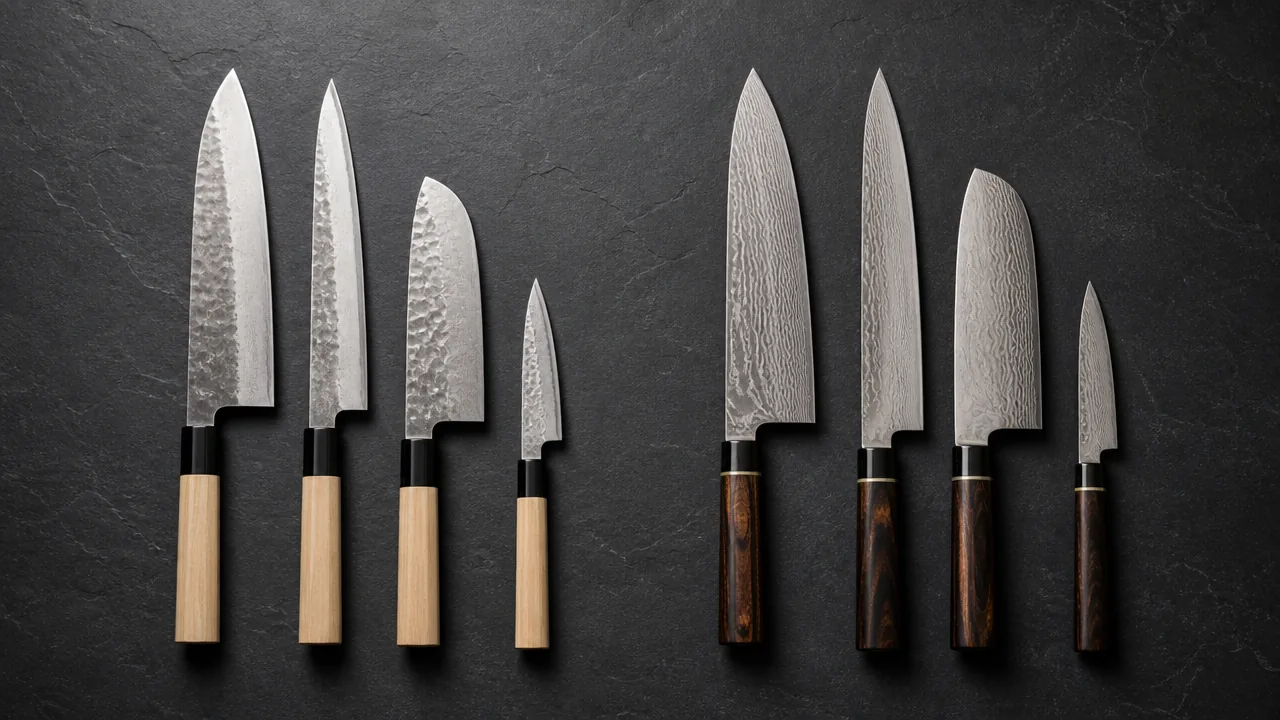
Which style of cooking drives your knife choices — a two-knife core or a three-knife lineup with Japanese shapes? If you are still deciding on individual blades, our Best Japanese Gyuto Knife 2026 is a great next read.