How this article was made: Research-based comparison. It draws on published information from makers, retailers, and reference sources, not on hands-on testing.
The Traditional Sashiko Palette Wasn’t Just a Preference
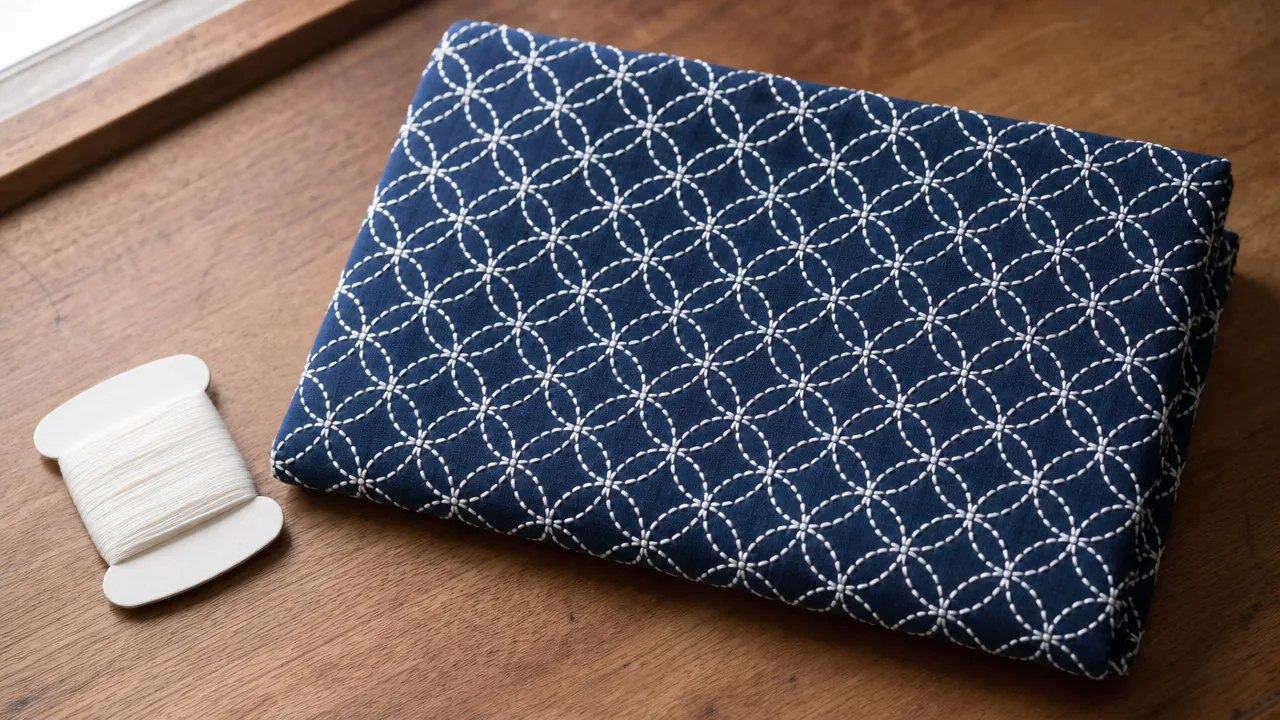
White thread on indigo-dyed fabric is the combination most people picture when they think of sashiko, and it didn’t become standard by accident. The pairing grew out of what was practical, affordable, and durable for the rural households that relied on sashiko in the first place, not simply out of aesthetic taste.
Understanding why that palette took hold makes today’s much wider range of colors easier to think about — you’re not breaking with tradition so much as choosing which part of it to keep.
Why White Thread on Indigo Became the Standard
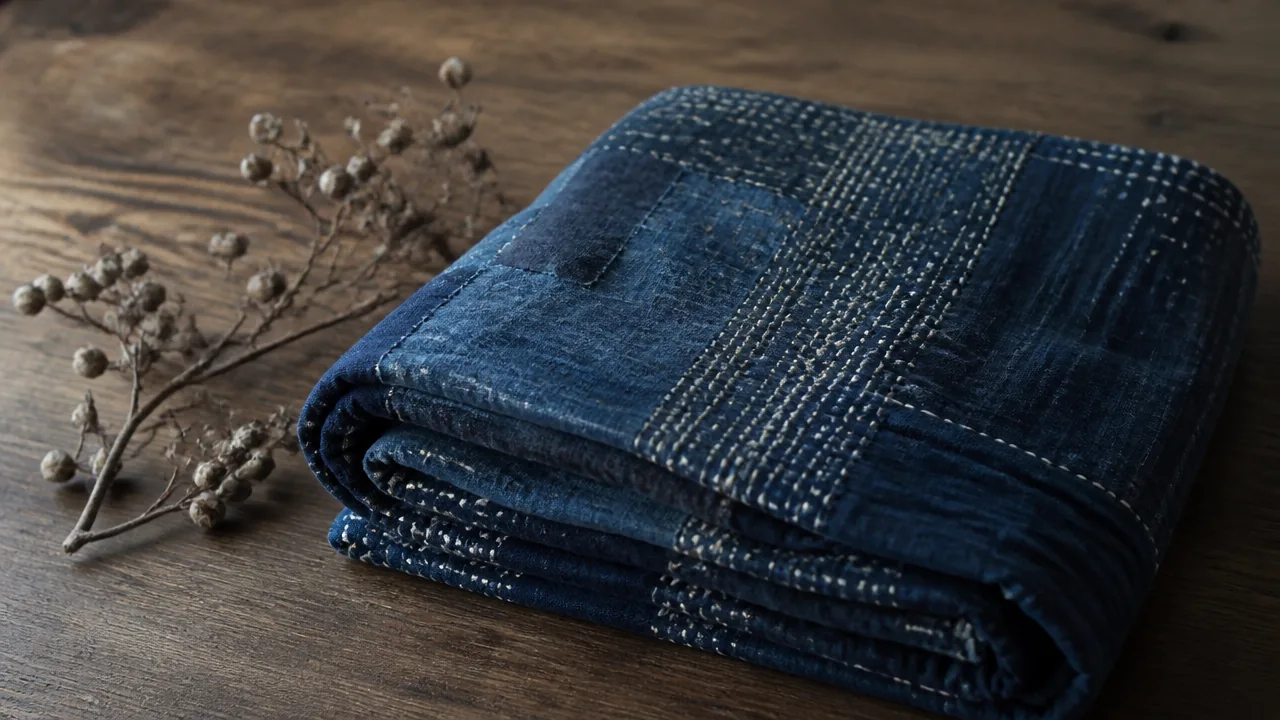
Indigo dyeing has a long history in Japan, and indigo-dyed cotton became the everyday cloth of farmers, fishermen, and other rural laborers for reasons that went beyond appearance. Indigo is often associated with practical advantages for working cloth — the dye is traditionally believed to help repel certain insects and to have some antibacterial properties, though these effects are generally described as folk knowledge and traditional practice rather than settled, rigorously tested science. Combined with indigo’s ability to hide soil and stains, dark-dyed cotton was simply a sensible choice for clothing that took a daily beating.
Cotton itself was expensive and scarce in colder parts of Japan, so garments were mended and reinforced rather than replaced, which is part of how sashiko stitching developed as a practical technique in the first place. White thread against that dark indigo ground wasn’t a styling choice either — it gave stitchers strong visual contrast to work by, which mattered in homes lit by little more than a hearth or an oil lamp.
The result was a combination that solved several problems at once: durable dye, visible stitching, and a way to extend the life of cloth that couldn’t easily be replaced.
The Wider Color Range Used in Sashiko Today
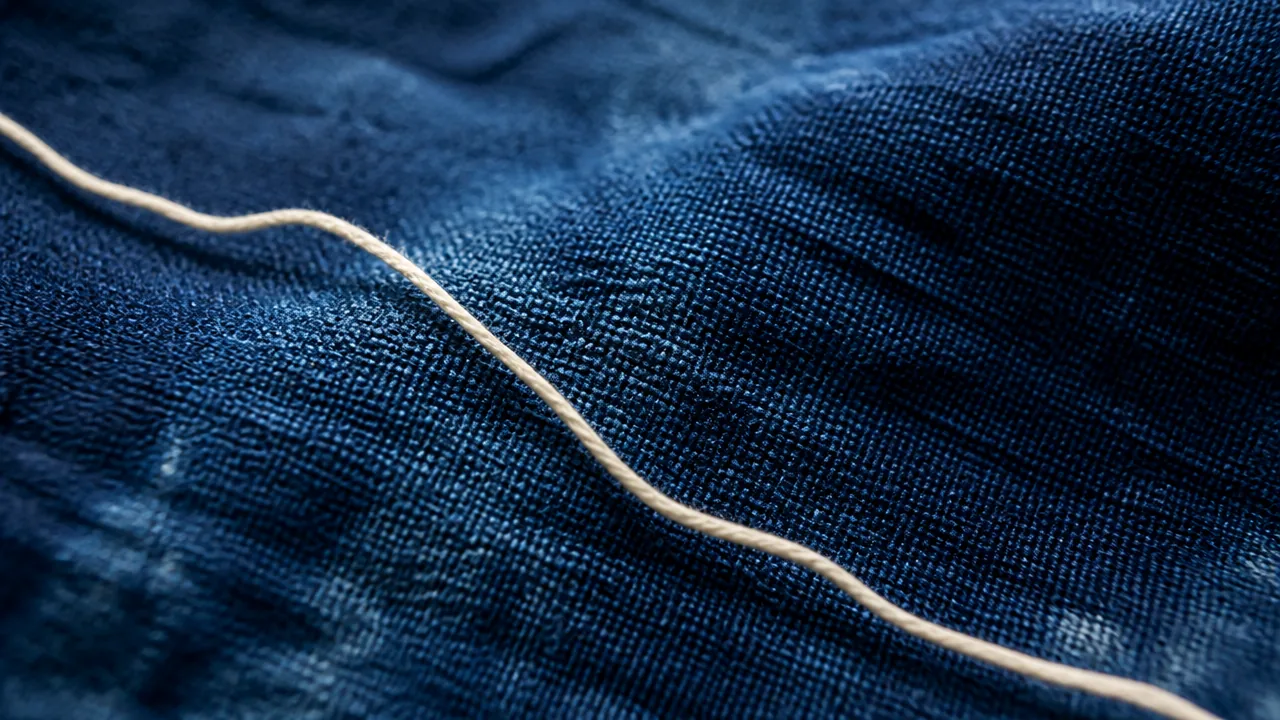
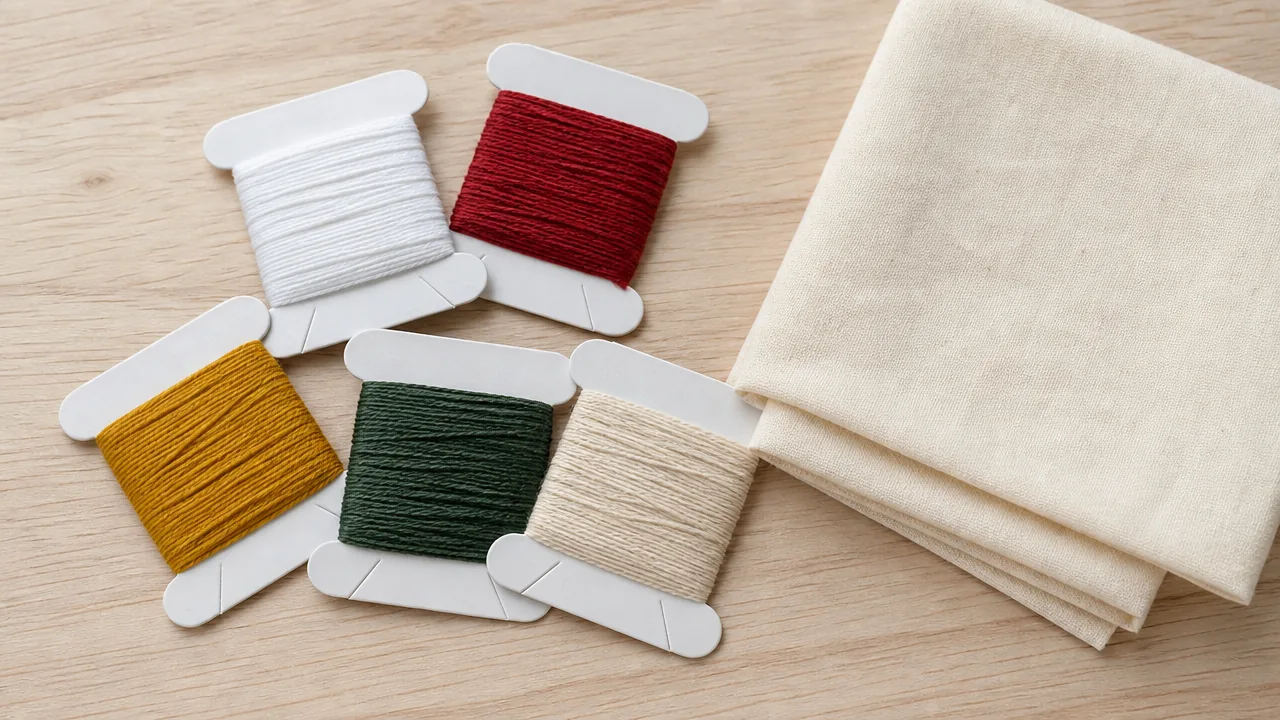
Modern sashiko thread comes in dozens of colors, from soft naturals to bright reds, yellows, and greens, and that range reflects how the craft has moved beyond its original practical constraints. Once sashiko shifted from a necessity of rural mending into a widely practiced textile art — taken up by hobbyists, designers, and makers well outside Japan — the reasons to limit thread color to what indigo and undyed cotton could pair with mostly disappeared.
Colored thread is now used for everything from subtle tonal variation within a traditionally indigo-based piece to bold, high-contrast pattern work that has little to do with the original workwear tradition at all. Neither approach is more legitimate than the other; they simply serve different goals. A piece meant to evoke the historical look leans on white or off-white thread on deep indigo, while a piece meant to explore color and pattern as design elements has essentially no constraints beyond what the maker wants to see.
How to Choose a Color Combination for Your Own Work
There’s no single correct answer here, but a few honest starting points make the decision easier:
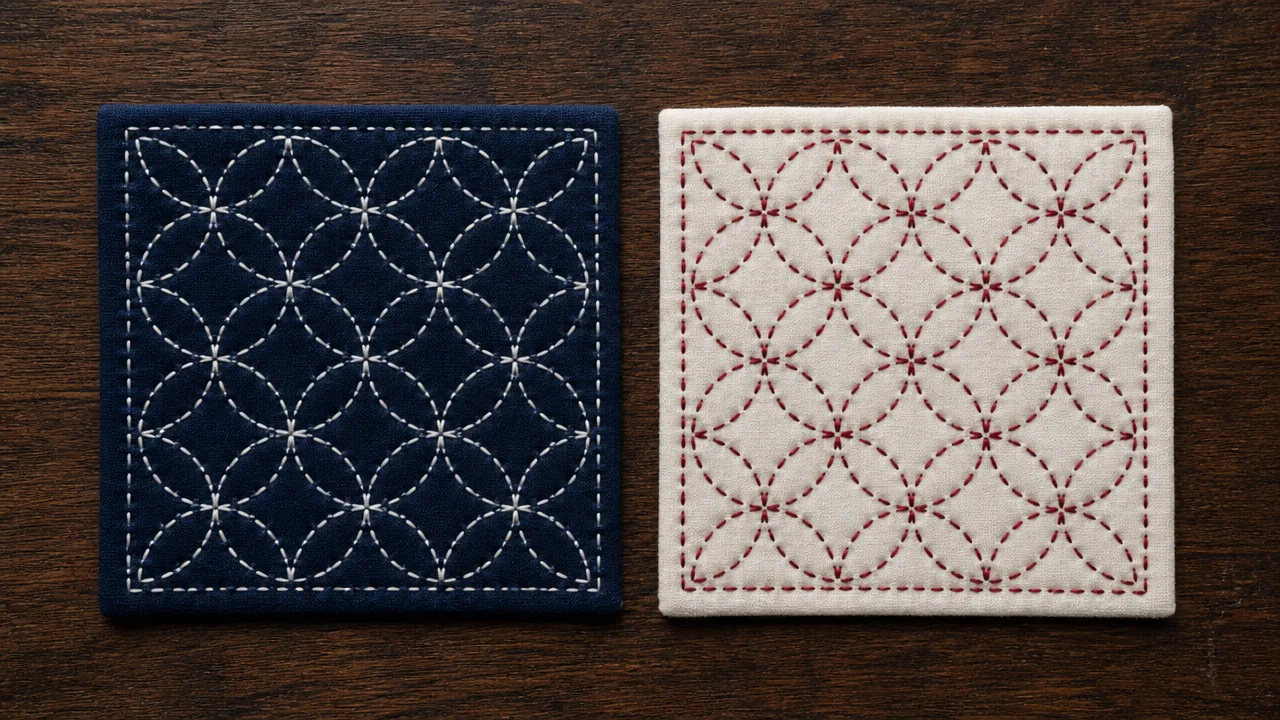
- If you want your piece to read as traditional, white or off-white thread on indigo or navy fabric remains the safest choice, and it is still the highest-contrast combination for keeping your stitch spacing even while you learn.
- If you’d rather explore color, treat the traditional palette as a reference point rather than a rule. Tonal combinations — a single colored thread on a fabric a shade or two away from it — tend to read as more considered than high-contrast color pairings chosen at random.
- If the piece is meant to be worn or used daily, darker fabric with lighter thread is still more forgiving of everyday soiling than the reverse, which is part of why that combination persisted for so long in the first place.
- If you’re repairing or extending an existing garment, matching the thread to whatever color logic the original piece already uses will look more intentional than introducing an unrelated color.
Do Colors Vary by Region?
Sashiko developed across several rural regions of Japan, particularly in the colder north, and some regional traditions are associated with distinct stitch patterns and thread weights more clearly than with fixed color rules. Much of this history was passed down through practice and oral tradition rather than formal written records, so specific regional color conventions should be treated with some caution rather than as settled fact.
What is reasonably well documented is that the white-on-indigo combination was widespread across rural Japan generally, tied more to the shared economics of cotton and dye access than to any one region’s particular taste. If you come across a source making a confident, specific claim about “the traditional colors of” one particular area, it’s worth treating that claim as one regional account among several rather than a universal rule.
Frequently Asked Questions
Does the thread color have to match the fabric?
No. The traditional combination is about strong contrast, not matching — white or light thread is meant to stand out clearly against dark indigo fabric, not blend with it. If you’re using a colored thread, a lighter or darker fabric that gives you visible contrast will generally be easier to stitch evenly than a close tonal match.
Is indigo the only traditional sashiko color?
It’s the most recognizable, but not the only one. Undyed or naturally off-white fabric was also used, and some pieces incorporate other natural dye colors depending on what was regionally available. Indigo simply became the most common and widely associated color because of how accessible and practical the dye was across rural Japan.
Why is white thread specifically used, rather than another light color?
White (or a close off-white) was the natural, undyed color of the cotton thread available at the time, so it required no additional dyeing step. Its brightness also gave the strongest possible contrast against dark indigo cloth, which made hand stitching easier to see and keep even.
Can I use multiple thread colors in one piece?
Yes, and many contemporary sashiko pieces do. Multi-color work is more common in decorative and hobbyist sashiko than in the original utilitarian tradition, where thread supply and dye access were more limited. There’s no technical reason it can’t be done — it’s purely a design choice.
Related Reading
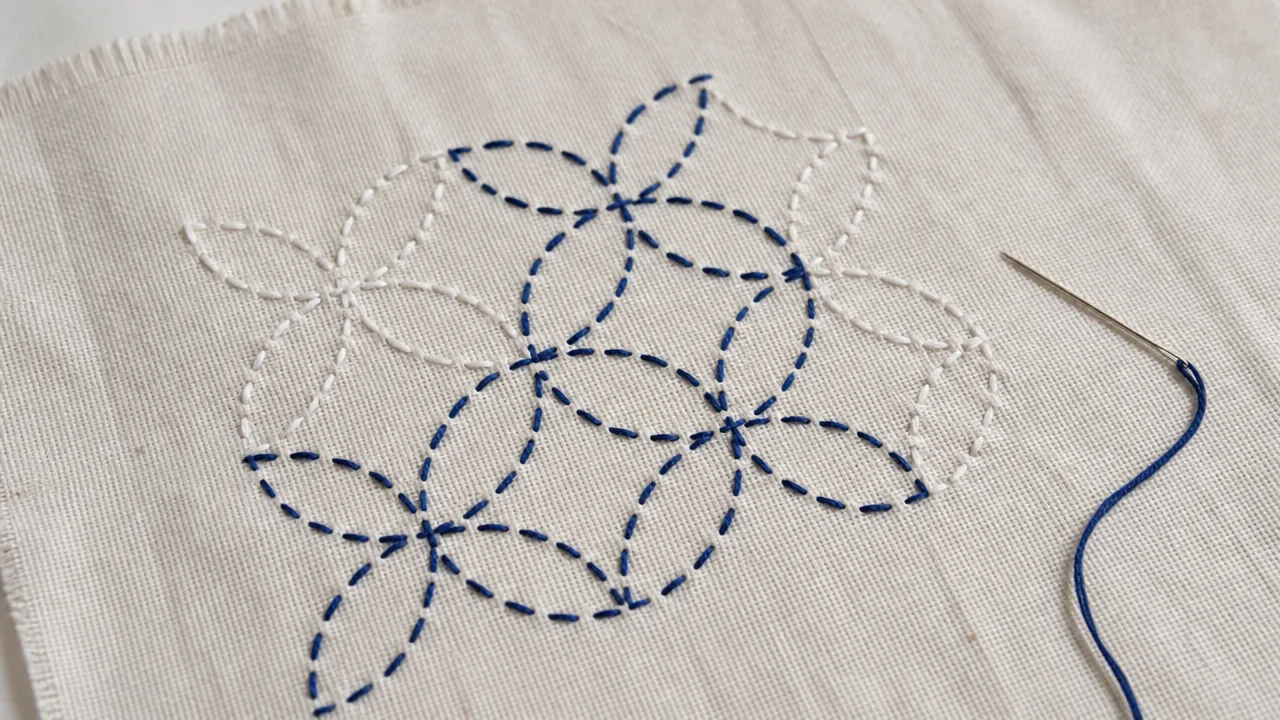
If you’re ready to choose actual thread for a project, our Best Sashiko Thread for Beginners guide covers specific products across the traditional white-and-navy range and beyond. For the fabric side of the same decision, Best Sashiko Fabric walks through what to look for regardless of which color direction you choose. And if you’re new to the craft altogether, What Is Sashiko? covers the fuller history and technique behind everything discussed here.
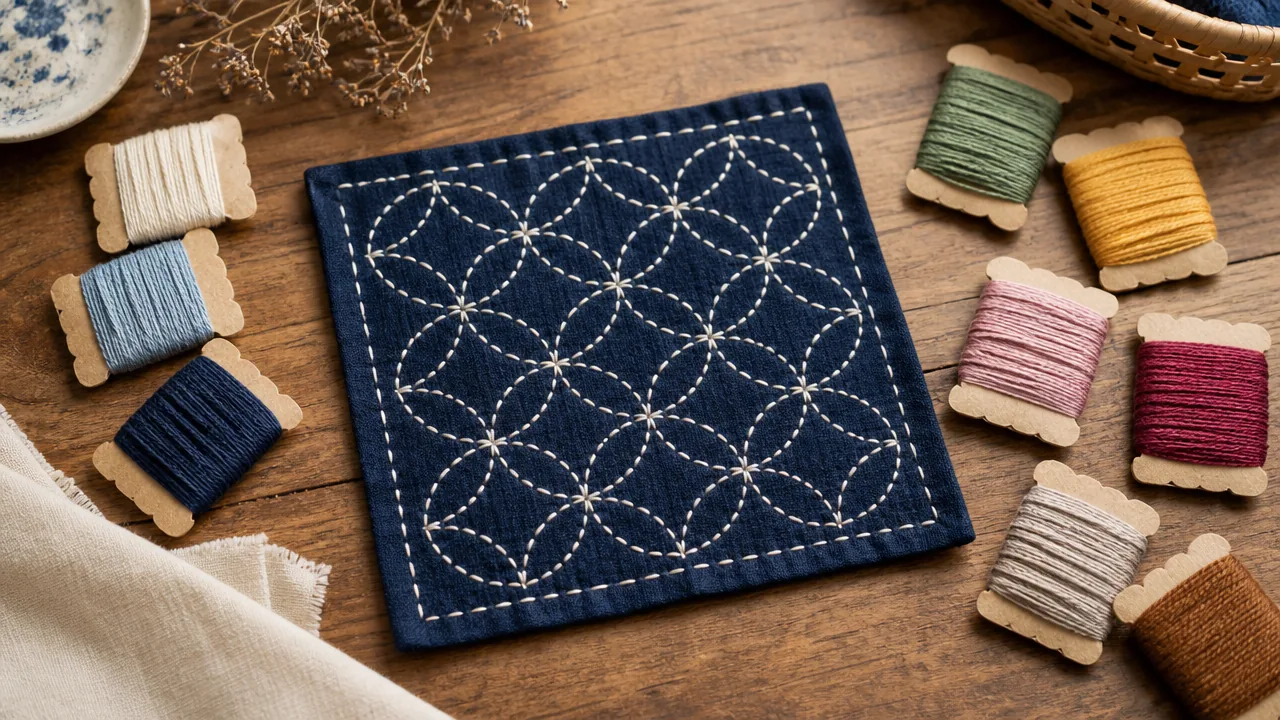
Whichever palette you choose, the stitching underneath is the same craft it’s always been.