How this article was made: Research-based comparison. It draws on published information from makers, retailers, and reference sources, not on hands-on testing.
Blade Length Is a Practical Decision, Not a Matter of Taste
Blade length is not really a matter of taste. It is a practical choice shaped by three things: the size of your hands, the size of your cutting board, and what you usually cut. A knife that is too short makes large ingredients awkward, and one that is too long becomes hard to control on a small board.
This guide covers the common length ranges for popular Japanese knife types, what to weigh when choosing, and a sensible starting point if you are buying your first knife. It also works as a bridge to our type-specific buying guides, which go deeper on specific models within each range.
Common Blade Lengths by Knife Type
Sizes listed for Japanese knives usually refer to blade length, measured from the tip to where the blade meets the handle, not overall length. A 210mm gyuto is noticeably longer once the handle is included, so it helps to check whether a listing gives blade length, overall length, or both.
| Knife type | Typical blade length | Common uses |
|---|---|---|
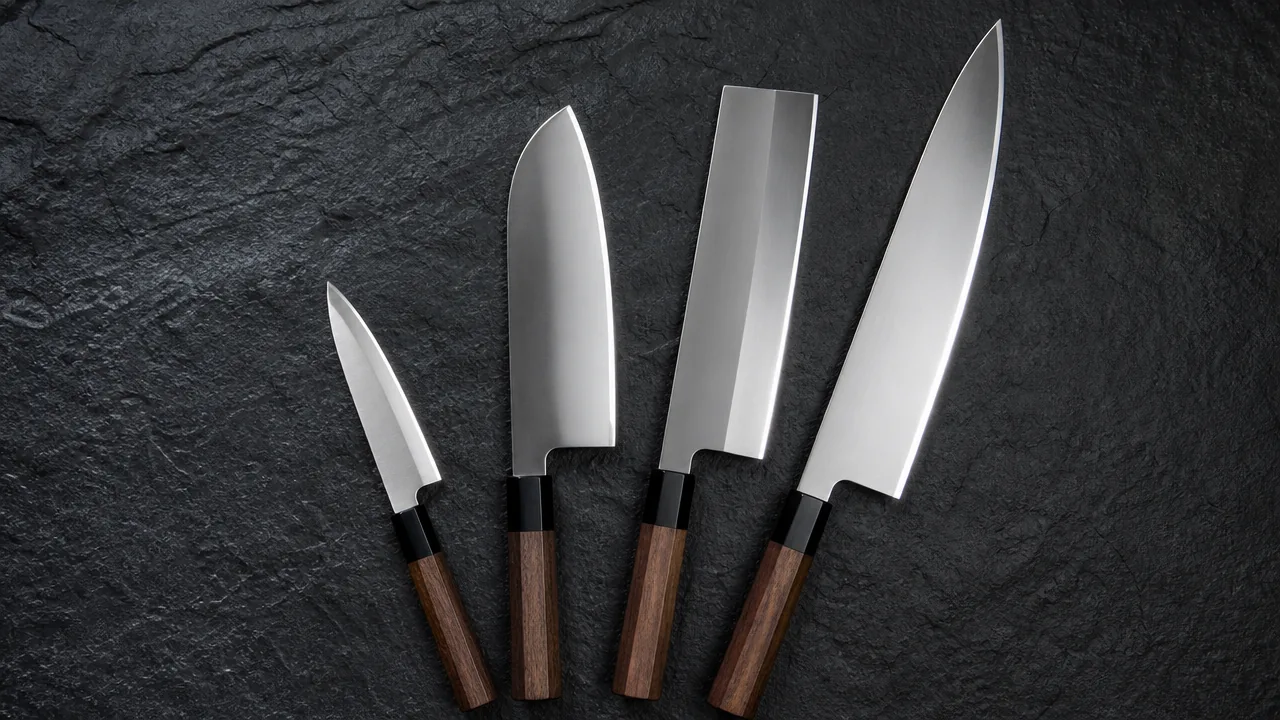
| Petty | 120–150mm (about 4.7–5.9 in) | Peeling, trimming, segmenting citrus, small in-hand tasks |
| Santoku | 165–180mm (about 6.5–7.1 in) | Everyday chopping of vegetables, fish, and boneless meat |
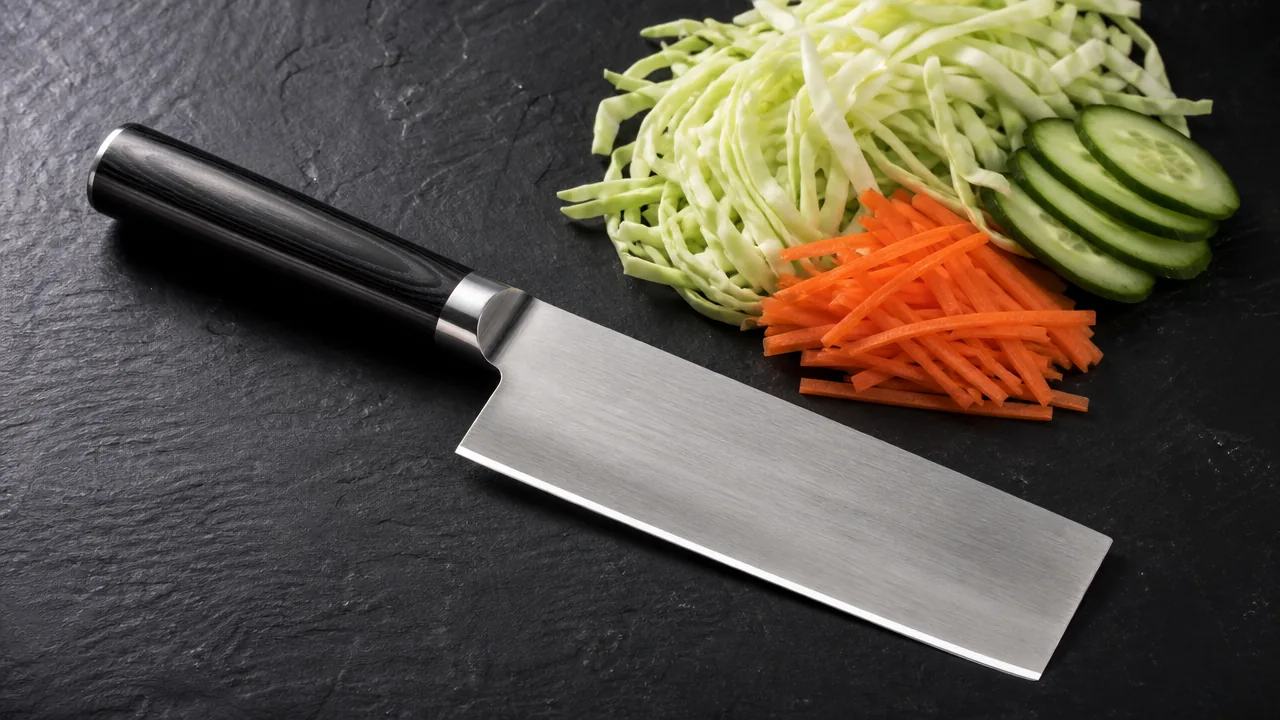
| Nakiri | 160–170mm (about 6.3–6.7 in) | Push-cutting and slicing vegetables |
| Gyuto | 210–270mm (about 8.3–10.6 in) | General-purpose slicing, chopping, and protein work |
A few notes on those ranges. Longer utility-style petty knives run up to around 180mm, though the 120–150mm range is the most common. Nakiri are often made a little shorter than Santoku, and slightly longer versions exist for high-volume vegetable prep. Compact gyuto around 180mm are also made and suit smaller hands and tighter kitchens, while 210mm is the standard size most home cooks start with.
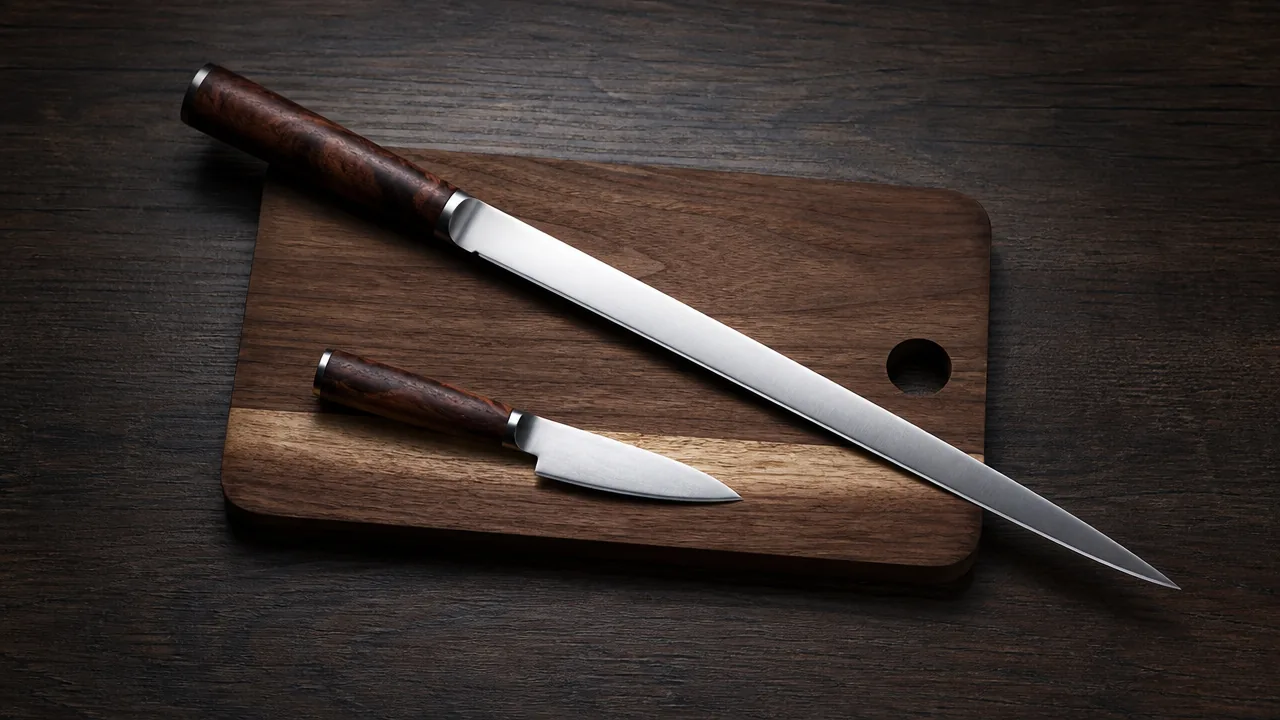
Specialty single-bevel knives such as the Deba and Yanagiba fall outside these ranges entirely, since they are built for breaking down and slicing whole fish rather than general kitchen work.
What to Consider When Choosing a Blade Length
Four practical factors do most of the work here:
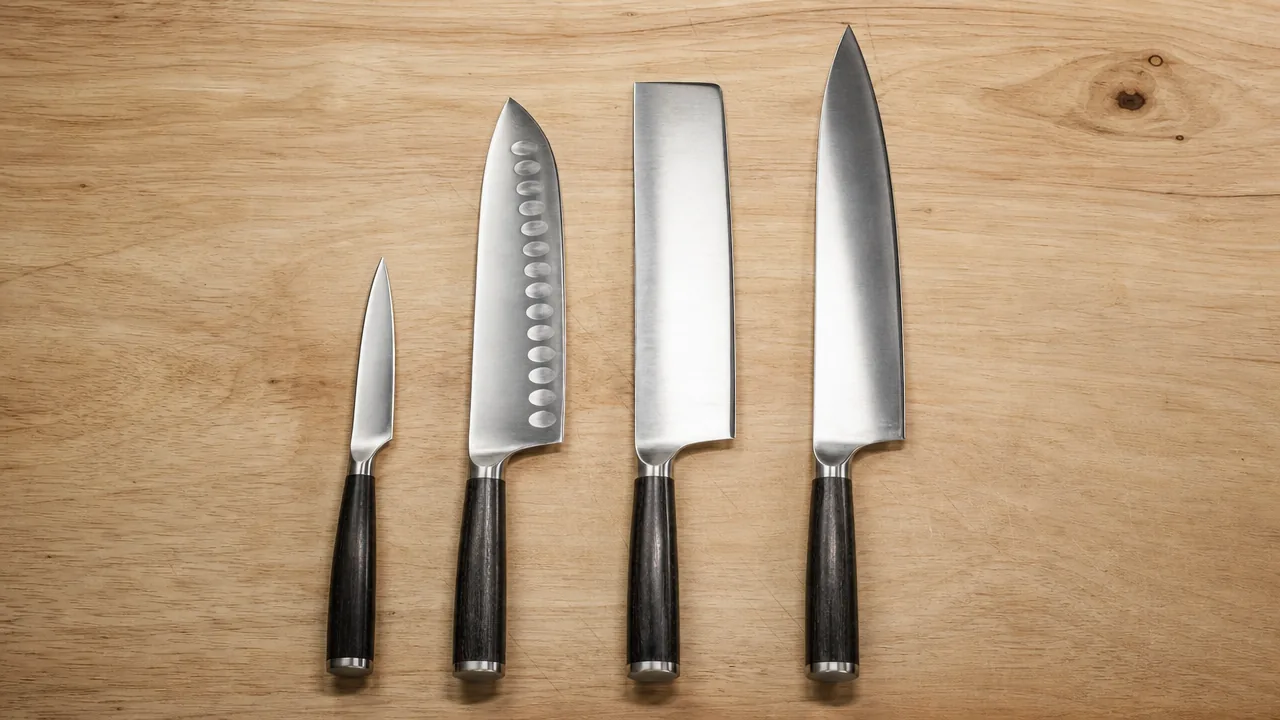
- Hand size: cooks with smaller hands often find a 165–180mm Santoku or a compact 180mm Gyuto easier to control, while larger hands or a preference for long, sweeping strokes tend to suit 210mm and up. Comfort is personal, so treat this as a starting point rather than a rule.
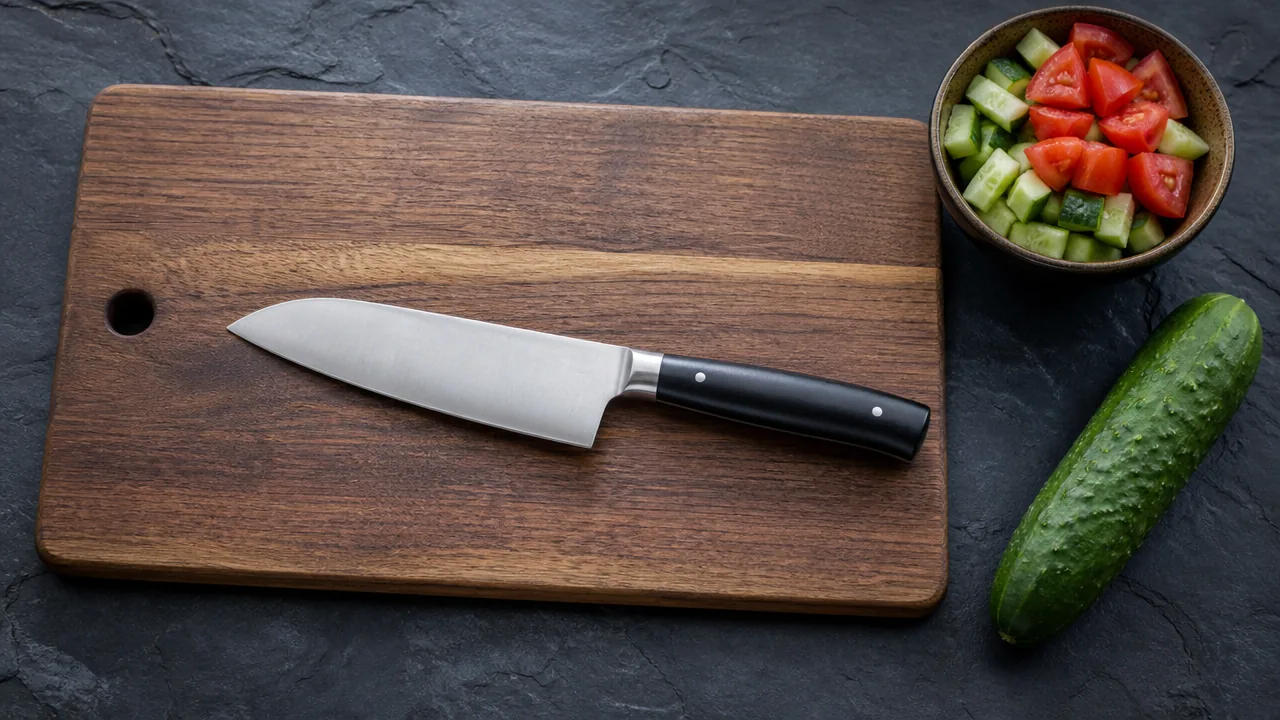
- Cutting board size: a common rule of thumb is that the board should be comfortably longer than the blade, so the tip is not hanging off the edge and there is still room for the food. A 240mm or 270mm knife on a small board is an awkward pairing.
- Storage space: check drawer depth, knife block slot length, or the size of your knife roll before buying, since longer blades need longer slots.
- What you cut: mostly vegetables and single portions favor shorter blades, while whole chickens, large roasts, or big melons favor longer ones.
When a Blade Is Too Short or Too Long
A blade that is too short tends to show up in small frustrations. Large ingredients like a whole cabbage or a big squash need several passes instead of one clean cut, and there is less blade to draw through the food in a smooth slicing stroke.
A blade that is too long causes a different set of problems. It is harder to control for detailed work like mincing shallots, the tip can hang over the edge of a small board, and it can feel unwieldy on a crowded counter. Longer knives also need more storage space, which is easy to overlook until the knife will not fit in the drawer.
Neither extreme is wrong in itself; length only becomes a problem when it does not match the space and the food you actually work with.
A Safe Starting Point for Your First Knife
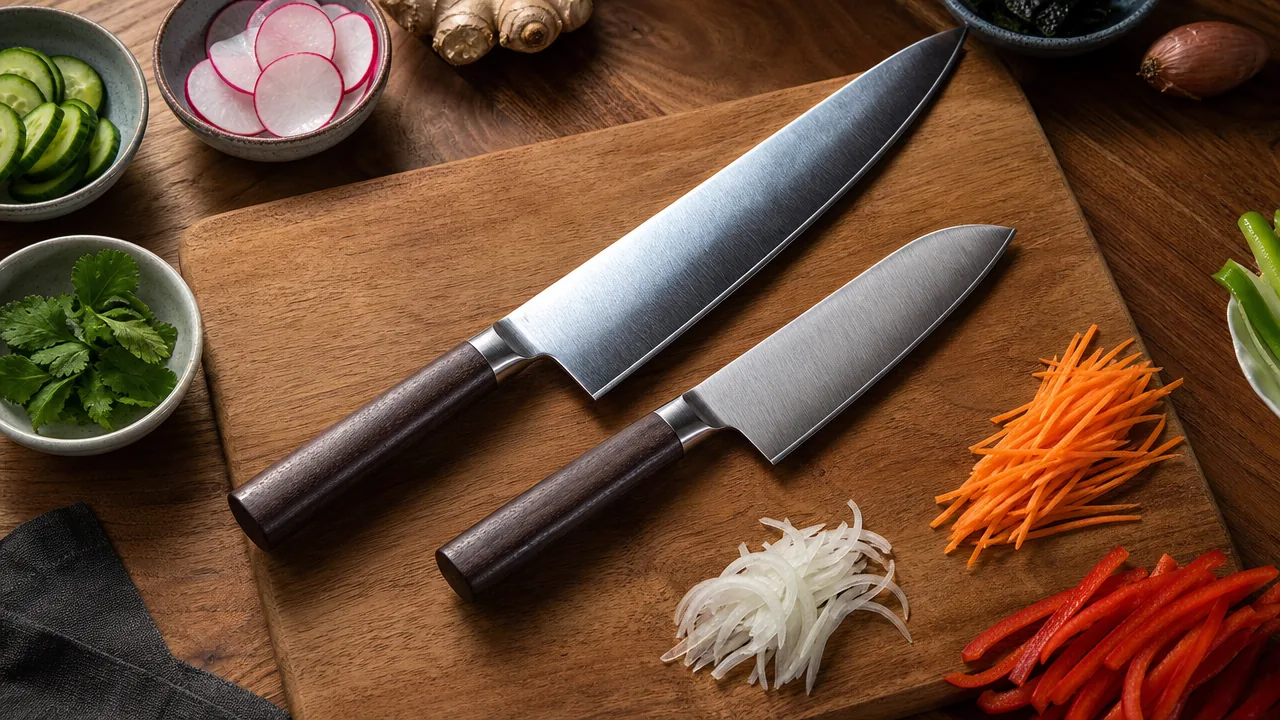
For most home cooks, a 210mm Gyuto or a 165–180mm Santoku covers the widest range of tasks without being unwieldy. The Gyuto suits cooks who prep larger cuts of meat or use a full-size board, while the Santoku is more compact and forgiving on smaller boards and in smaller hands.
If your kitchen is small or you have smaller hands, a 180mm Gyuto or a 165mm Santoku is a comfortable place to begin. A Petty in the 120–150mm range is a useful second knife for small tasks, and a Nakiri is a specialist addition once you know you cook vegetable-heavy meals often. If you want model recommendations to go with those sizes, our Best Japanese Knife for Beginners guide is the best place to start.
Frequently Asked Questions
Is a longer blade always better?
No. A longer blade helps with large ingredients and long slicing strokes, but it is harder to maneuver, needs more board and storage space, and can feel less precise for small tasks. A well-matched shorter knife often feels more controlled than a longer one that does not fit your kitchen.
What blade length is best for small hands?
Cooks with smaller hands often find a 165–180mm Santoku or a compact 180mm Gyuto the easiest to control. That said, hand size is only one factor, and handle shape and grip style matter too, so a longer knife can still work well if it feels comfortable to you.
Do I need a 240mm Gyuto?
Not for most home cooking. A 210mm Gyuto covers the majority of everyday tasks, and 240mm is generally better suited to cooks who regularly work with larger cuts of meat, batch cook, or use a full-size cutting board.
Does the listed size include the handle?
Usually not. Japanese knife sizes typically refer to blade length only, so the overall length with the handle is longer. Some retailers list both measurements, and it is worth checking the specifications if storage space is a concern.
Related Reading
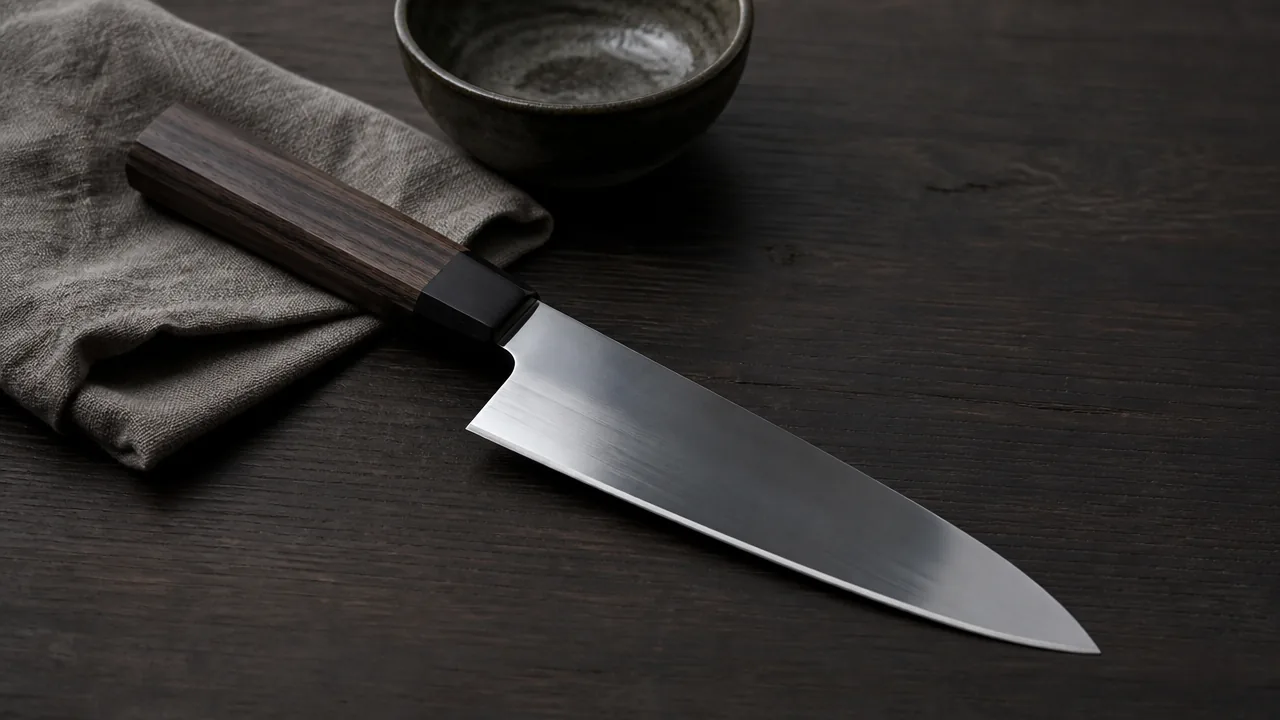
Once you have a sense of the right length, our type-specific guides cover models across each range. The Best Japanese Gyuto Knife 2026 guide covers the 180mm to 240mm sizes in detail, Best Japanese Nakiri Knife 2026 covers the 160–170mm vegetable knives, and Best Japanese Petty Knife 2026 covers the smaller utility knives in detail. If you are still deciding where to begin, Best Japanese Knife for Beginners walks through the first-knife decision as a whole.
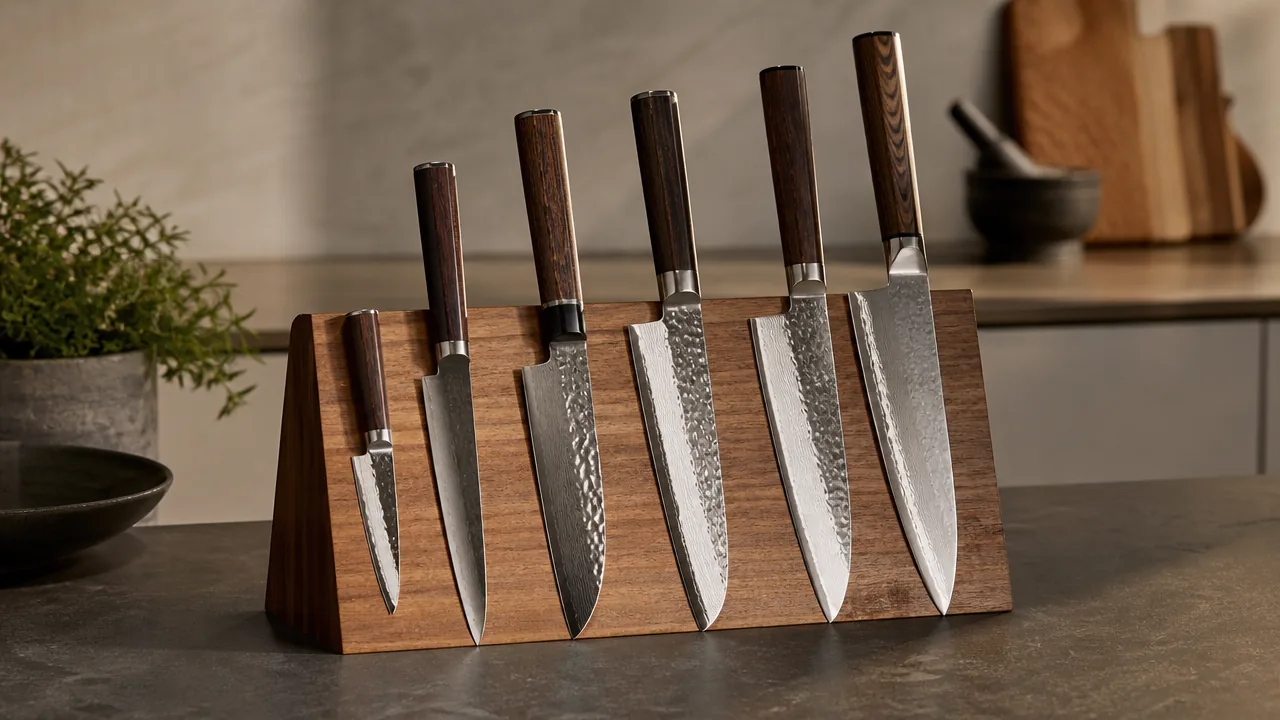
Match the length to your board and your hands first, and the choice of model gets much easier.