This article contains affiliate links. If you buy through them, we may earn a commission at no extra cost to you.
How this article was made: Research-based comparison. It draws on published information from makers, retailers, and reference sources, not on hands-on testing.
Quick picks
- Sashiko Kit with Yokota Thread, Needles & Yume Fukin Fabric — $36.80: the thread, needles and Yume Fukin cloths are Daruma (Yokota) products made in Japan, per the maker
- Sashiko Kit with Daruma Thread, Needles & Grid-Line Cotton Fabric — $37.80: Daruma thread, needles and grid-printed cloth, made in Japan per the maker, for drawing your own patterns
- 94Pcs Sashiko Embroidery Kit for Beginners — $24.99: a lower-priced kit with six practice cloths, 30 stencils, water-soluble pattern papers and mending tools
Prices on Amazon.com, checked October 8, 2026.
What You Actually Need to Start Sashiko
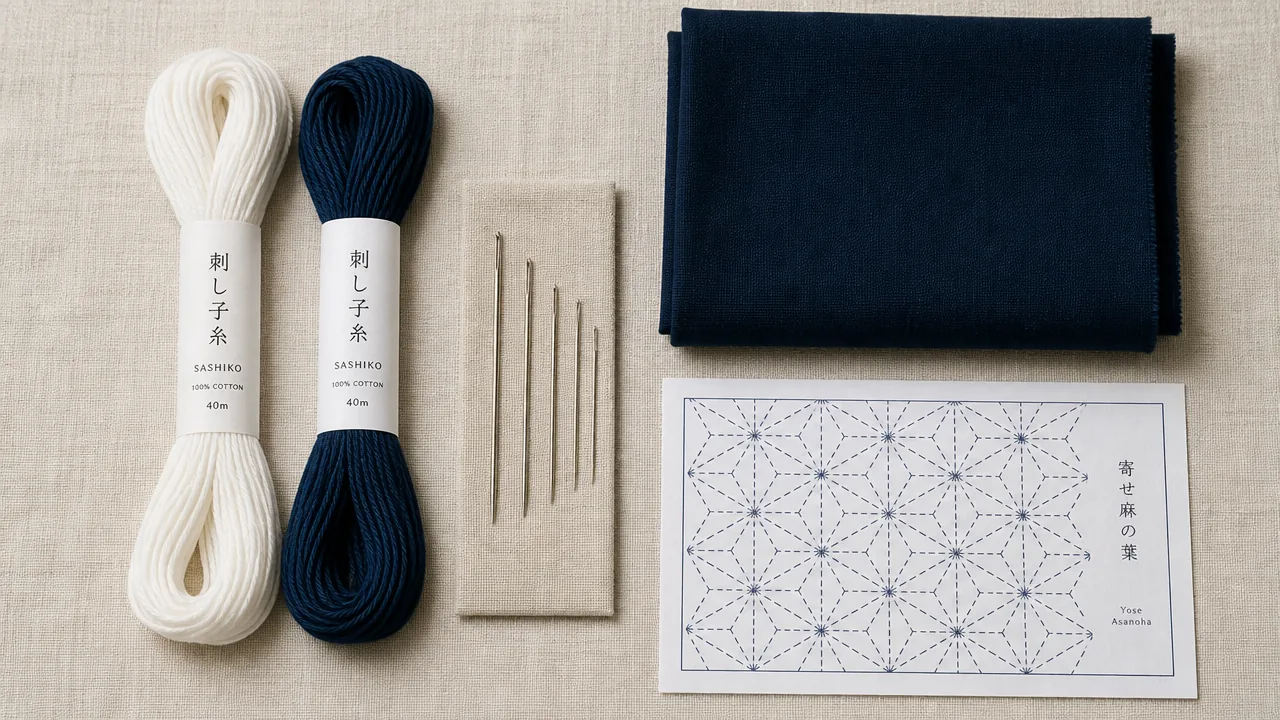
If you want to start sashiko today, you need three things: a long sashiko needle, cotton sashiko thread, and a piece of woven cotton fabric. A pattern template helps too, but it is not strictly required. Most beginner kits bundle all of this together, which makes shopping straightforward—pick a kit that matches your budget and you are ready to stitch.
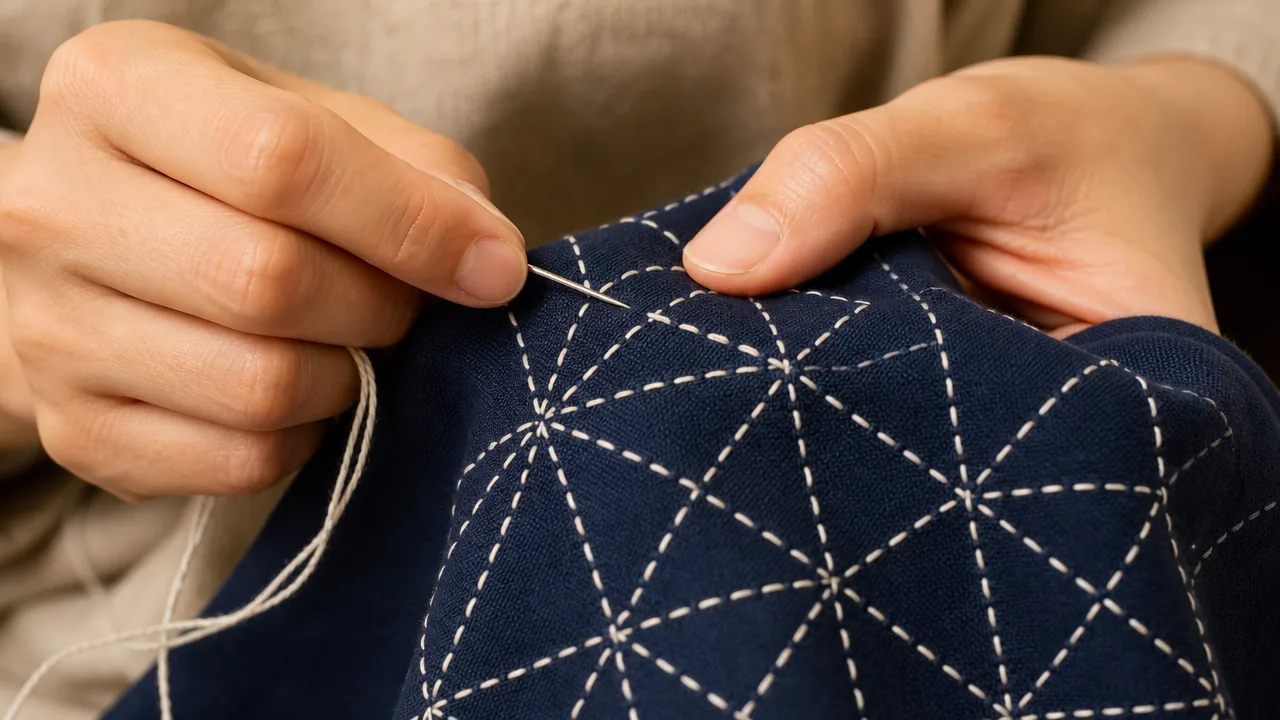
Sashiko is a Japanese hand stitching tradition built around the running stitch. Unlike Western embroidery, it uses thicker, matte cotton thread and longer needles so you can load several stitches onto the needle at once before pulling through. That rhythm is part of what makes it so satisfying. If you want to understand the craft more deeply before you buy anything, What Is Sashiko? Meaning, History and Patterns of Japanese Stitching covers the history, technique, and cultural roots in full.
The four kits covered here were checked on Amazon.com on October 8, 2026 and were in stock. They range from $13.99 to $37.80 and cover every skill level from complete beginner to someone ready to tackle traditional Japanese patterns.
What a Good Sashiko Starter Kit Should Include
Not all embroidery kits translate well to sashiko. The craft has specific tool requirements that differ from standard cross-stitch or crewel work, so it is worth knowing what to look for before you spend money.
Here is what a solid sashiko kit should contain:
- Sashiko needles: Longer and slightly thicker than regular embroidery needles, with a larger eye to accommodate thick cotton thread. A kit should include multiple sizes.
- Sashiko thread: 100% cotton, loosely twisted, and matte. It should not be glossy or stranded like DMC floss. The thickness is what gives sashiko its characteristic bold, graphic look.
- Practice fabric: Tightly woven cotton is ideal. Beginners benefit from pre-cut pieces in a workable size. Traditional practice often uses indigo cotton, though white or natural is equally valid.
- Pattern templates or stencils: Sashiko geometry—hitomezashi grids, waves, hemp leaves—can be tricky to mark freehand. Reusable plastic stencils or printed pattern papers make the transfer process much easier for beginners.
- A thimble: Pushing a needle through multiple layers of cotton repeatedly will wear on your fingertip fast. Any kit missing a thimble is cutting a corner.
Nice-to-have extras include a needle threader, water-soluble marking pen, and scissors. A seam ripper is useful if you plan to use sashiko for visible mending on garments—a technique sometimes called boro-inspired repair. You can read more about that tradition in What Is Boro? The Poverty-Born Aesthetic Behind Sashiko.
2026 Sashiko Starter Kit Comparison: Entry, Mid, and Premium
The four kits below were in stock on Amazon.com on October 8, 2026. The two kits built around Daruma materials come first; the other two are lower-priced ways to try the craft.
| Kit | Price | Brand | Key Contents | Best For |
|---|---|---|---|---|
| Verve Joy Sashiko Kit (Yokota Thread) | $36.80 | Verve Joy | Daruma (Yokota) thread & needles, Yume Fukin cotton cloths, thimble, English manual | Anyone ready for authentic Japanese materials |
| Daruma Sashiko Kit (Grid-Line Fabric) | $37.80 | Daruma (sold by Verve Joy) | Daruma thread, needles, cotton fabric with a printed grid, marking pencil, thimble | Stitchers who want to draw their own patterns on a grid |
| HGEKLIZV Sashiko Kit | $13.99 | HGEKLIZV | 24 thread rolls (12 colors), 20 needles, 17 templates, thimble, threader (no fabric) | First-time buyers on a tight budget |
| 94Pcs Sashiko Embroidery Kit for Beginners | $24.99 | Zurficial | 8 thread colors, 6 practice cloths, 25 needles, 30 stencils, 4 water-soluble papers, thimble, seam ripper, scissors, marking pen | Beginners who want a complete toolkit |
All four include thread and needles. The differences come down to material quality, the variety of included accessories, and whether the thread and needles are mass-produced or sourced from an established Japanese manufacturer.
Each Kit in Detail: Honest Assessment by Skill Level
HGEKLIZV Sashiko Kit — $13.99 (Entry)
For under $15, this kit covers thread, needles and templates. You get 24 rolls of cotton thread across 12 colors, which is more color variety than most entry kits offer at this price. The 17 pattern templates give you a broad range of geometric motifs to explore without needing to draft your own designs. Twenty needles across five sizes means you will not run out quickly, and the included thimble and needle threader cover the basics.
Note that no fabric is included. The Amazon title mentions “100% Cotton Fabric,” but the listed contents (thread, needles, templates, thimble, threader) do not include any cloth, so you will need a piece of tightly woven cotton separately. Our guide to the best sashiko fabric covers inexpensive options such as pre-printed sampler cloths.
The bigger trade-off is the thread. The product details describe it as “24 rolls of embroidery thread,” and two of the verified-purchase reviews shown on Amazon.com (as of October 2026) report that it is divisible embroidery floss rather than sashiko thread. Floss is fine for practice stitches, but it will not give the matte, bold line of true sashiko thread, and it will not match premium Japanese materials. This kit is the right choice if you are not yet sure whether sashiko will become a regular hobby and you do not want to commit $35 before trying a single running stitch.
Also on Amazon UK.
—
Zurficial 94Pcs Sashiko Embroidery Kit — $24.99 (Mid)
This is the most accessory-complete kit in the comparison. The main contents are the six pre-cut white practice cloths, 30 reusable plastic stencils, and four water-soluble pattern papers. The water-soluble papers in particular are a practical touch—you can transfer designs onto dark fabric and the markings wash away cleanly after stitching.
The seam ripper and embroidery scissors are genuinely useful additions rather than filler. On Amazon.com it shows a 4.1-star rating from 15 ratings and 50+ purchases in the past month (October 2026), so it sells steadily, though it has far fewer ratings than the premium kit. It is the pick in this guide for someone who wants to practice multiple patterns without buying extra supplies separately, because the practice cloths, stencils and pattern papers come in the box. The 6 finger cots (protective covers for your fingertips) show that the designer thought carefully about the actual stitching experience.
—
Verve Joy Sashiko Kit with Yokota Thread — $36.80 (Premium)
This kit is in a different category from the two lower-priced kits. The thread, needles and Yume Fukin cloths are products of Daruma, the brand of Yokota Co., and are made in Japan, according to the maker’s own product pages (thread, needles, sashiko sampler cloth). The kit as a whole carries no country-of-origin statement on its Amazon listing.
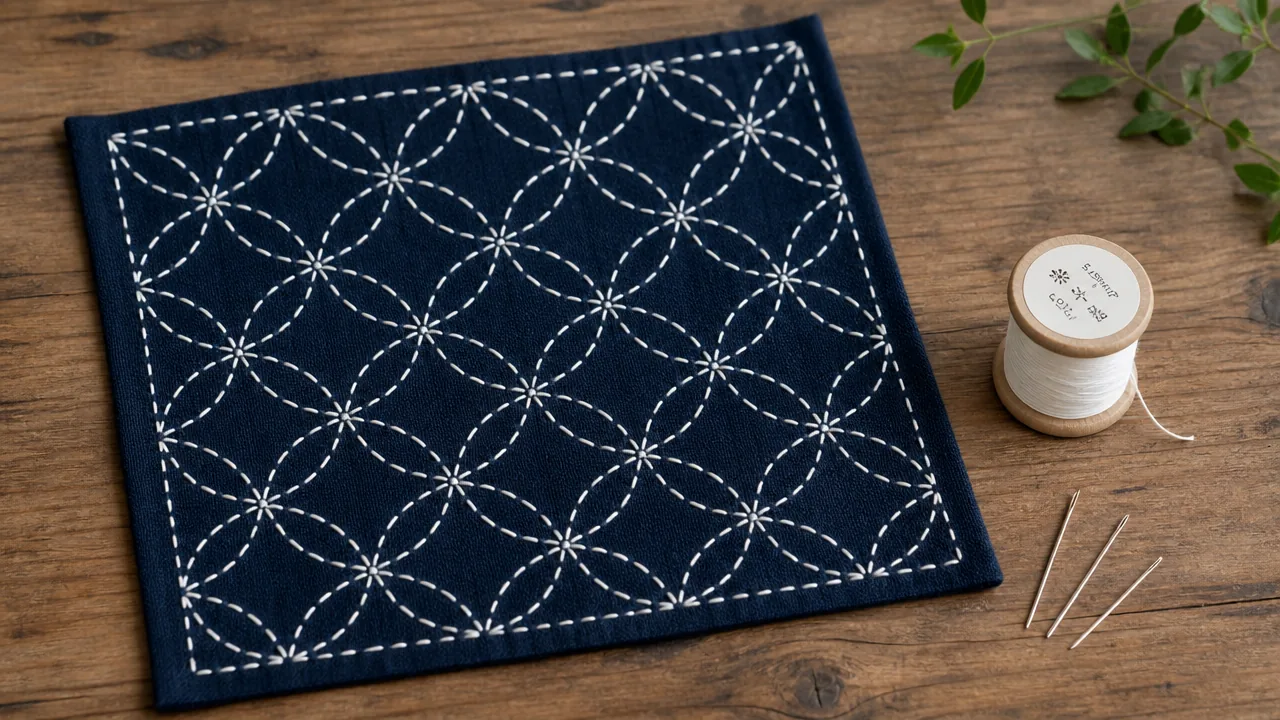
The included fabric is a traditional Yume Fukin (dream dishcloth) pattern printed on cotton—a classic format for sashiko practice in Japan. The English manual makes the kit accessible to Western crafters without any language barrier. Amazon’s Choice status, a 4.7 rating from 527 ratings, and 100+ purchases in the past month (October 2026) all point to strong buyer satisfaction. At $36.80, this kit is worth it for anyone who wants authentic materials from the start rather than upgrading later.
Also on Amazon UK.
—
Daruma Sashiko Kit with Grid-Line Fabric — $37.80
The Sashiko Kit with Daruma Thread, Needles & Grid-Line Cotton Fabric is built around a different cloth: navy cotton printed with a grid, so you mark and stitch your own pattern instead of following a pre-printed one. The listing gives the contents as Daruma sashiko thread, needles, the grid-line cotton fabric, a marking pencil and a thimble, with traditional designs to follow.
The thread, needles and grid-line cloth are Daruma (Yokota) products made in Japan, according to the maker’s own product pages (thread, needles, grid cloth). On October 8, 2026 it was $37.80 on Amazon.com, in stock, sold by Verve Joy and shipped by Amazon. It suits someone who has already stitched a printed sampler, or who wants to plan patterns on a grid from the start.
Also on Amazon UK / Amazon.de.
What You Will Also Need
Whichever kit you choose, two inexpensive extras are worth adding. The practice cloth matters most if you pick the HGEKLIZV kit, which includes no fabric.
- A pre-printed practice cloth — Olympus Sashiko Sampler Traditional Shippo Tsunagi, Blue (about $9.99 on Amazon.com, October 2026): the stitching lines are printed on the cloth and wash out, so there is nothing to mark. Also on Amazon.de.
- Extra sashiko thread — Olympus Sashiko Thread 20m 4-Skein Color Bundle (about $8.60 on Amazon.com, October 2026): four 20m skeins of 100% cotton sashiko thread from a Japanese maker, so you can keep stitching after the first project. Also on Amazon UK.
For spare needles or other lengths, Best Sashiko Needles compares four packs from Japanese makers by length and eye.
Frequently Asked Questions
Do I need a special needle for sashiko?
Yes, and it matters more than most beginners expect. Sashiko needles are noticeably longer than standard embroidery needles—typically 45 to 55mm—with a larger eye and a slightly blunt tip. The length lets you rock the needle through fabric and load multiple stitches before pulling through, which is central to the sashiko stitching rhythm. Using a standard embroidery needle is possible but slow and awkward. The Zurficial and Verve Joy kits include sashiko needles; the HGEKLIZV listing describes 20 needles in five sizes without calling them sashiko needles.
What fabric works best for beginners?
Tightly woven 100% cotton is the standard choice. It holds the running stitch cleanly without puckering, and it is easy to mark with a template. Avoid stretchy fabrics, loosely woven linen blends, or synthetic materials—they shift under the needle and make even spacing much harder. Traditional sashiko often uses indigo cotton, but white or natural-colored cotton is equally practical for practice.
Can I use regular embroidery thread instead of sashiko thread?
Technically yes, but the results will look different. Regular stranded embroidery floss is shinier, thinner, and lacks the matte, bold quality of sashiko cotton thread. If you want the classic sashiko look—graphic white stitches on indigo cotton, or vice versa—you need proper sashiko thread. Using floss for practice stitches while you wait for supplies is fine, but it is not a long-term substitute.
How long does it take to finish a first sashiko project?
A small hitomezashi sampler on a single fabric square (roughly 15cm x 15cm) typically takes two to four hours for a complete beginner, spread across one or two sessions. A full Yume Fukin dishcloth—the traditional Japanese practice format—can take anywhere from four to eight hours depending on the pattern density and your stitching pace. Sashiko is genuinely meditative once the rhythm clicks, and most people find the time passes quickly.
Which Sashiko Starter Kit Is Right for You?
The honest answer depends on two things: your budget and how confident you are that sashiko will stick.
If you are testing the waters and want to spend as little as possible, the HGEKLIZV kit at $13.99 is the cheapest way to get needles, templates and practice thread, but you will need to buy fabric separately, and its thread appears to be embroidery floss rather than sashiko thread. If you want a more complete practice setup with reusable stencils, practice cloths, and tools for visible mending work on real garments, the Zurficial 94-piece kit at $24.99 is the better value. And if you already know you are serious about sashiko—or you are buying a gift for someone who is—the Verve Joy kit with DARUMA thread at $36.80 offers a quality step up that you will feel in every stitch.
All four kits are available on Amazon.com. None of them requires any prior embroidery experience to use. Pick the tier that fits where you are right now, and you can always scale up as the craft grows on you.
Ready to pick up a needle and try your first running stitch? Which kit fits your budget—and what pattern are you planning to tackle first?