This article contains affiliate links. If you buy through them, we may earn a commission at no extra cost to you.
How this article was made: Research-based comparison. It draws on published information from makers, retailers, and reference sources, not on hands-on testing.
Quick picks
- Tojiro Deba Shirogami 165mm — ~$213 (€190.00) (US total, est. ~$280): single bevel, right-handed
- Sakai Takayuki Kasumitogi Deba 165mm — $153.00 at Chubo Knives (US only): single bevel, right-handed
- Tojiro DP Yo-Deba 240mm — ~$331 (€295.00) (US total, est. ~$427): double bevel, Western handle
Prices checked on October 10, 2026.
The Short Answer: Which Deba to Buy
For a first deba, this guide recommends a 165mm single-bevel knife, because Tojiro, a maker of deba knives, says 165mm is the size chosen most often in its own stores and suggests it as a first deba. The three picks below cover the two decisions that matter after length: carbon steel or stainless, and a traditional single bevel or a double bevel.
| Knife | Price | US total (est.)* | Type | Steel | Length | For |
|---|---|---|---|---|---|---|
| Tojiro Deba Shirogami 165mm | ~$213 (€190.00) | ~$280 | Single bevel, right-handed | White steel (shirogami) core, soft iron cladding | 165mm | Medium fish; readers in Europe and the US |
| Sakai Takayuki Kasumitogi Deba 165mm | $153.00 | — | Single bevel, right-handed | White steel, kasumi construction | 165mm | Medium fish; US readers (Chubo ships to the US) |
| Tojiro DP Yo-Deba 240mm | ~$331 (€295.00) | ~$427 | Double bevel, Western handle | VG-10 core, stainless cladding | 240mm | Large fish; left- or right-handed |
*US total (est.) is an estimate for a US buyer, including shipping and the 25% tariff, as of October 2026, based on SharpEdge’s shipping page: (price + €10 shipping) × 1.25 for orders under €300, or price × 1.25 for orders of €300 or more, which ship free. Example: a €51 knife came to €76.10 at checkout for a New York address on October 3, 2026. Tariff rates can change.
SharpEdge prices are in euros, converted at the ECB reference rate of 1 EUR = 1.1206 USD on October 9, 2026. Prices and stock were checked on October 10, 2026.
A deba is a specialist knife. If you are still deciding between a deba and a slicing knife for fish, start with Deba vs Yanagiba: Understanding Japanese Fish Knives.
What a Deba Is For
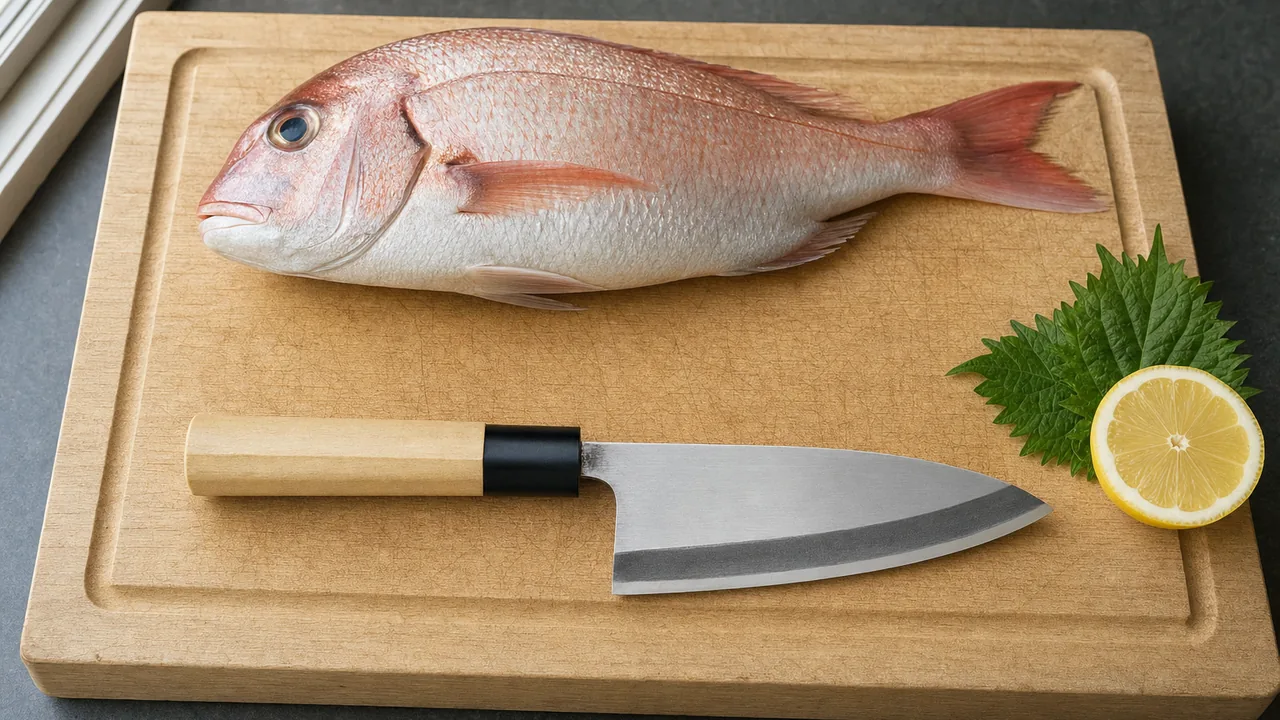
A deba is the Japanese knife for breaking down whole fish. Tojiro’s guide to choosing a deba describes it as a knife specialised for taking off the head, filleting the fish into three pieces and cutting through bones. The same guide explains how the blade is used: the heel does the heavy cutting, and the tip does the filleting.
Two features set it apart from an all-purpose knife:
- A thick, heavy blade. Tojiro’s product page for its 165mm white steel deba says the blade is thick so that it can be used for filleting and for cutting through bone; the knife weighs about 270g
- A single bevel. A traditional deba has its cutting bevel on one side only. Tojiro explains that this lets the blade follow the bone, so the cut stays close to it and takes off only the flesh
Tojiro’s guide also says it does not recommend going on filleting fish with a santoku, because bones can chip or bend the edge. For how single-bevel and double-bevel knives differ in use and sharpening, see Single Bevel vs Double Bevel.
Which Length: Tojiro’s Guide by Fish Size
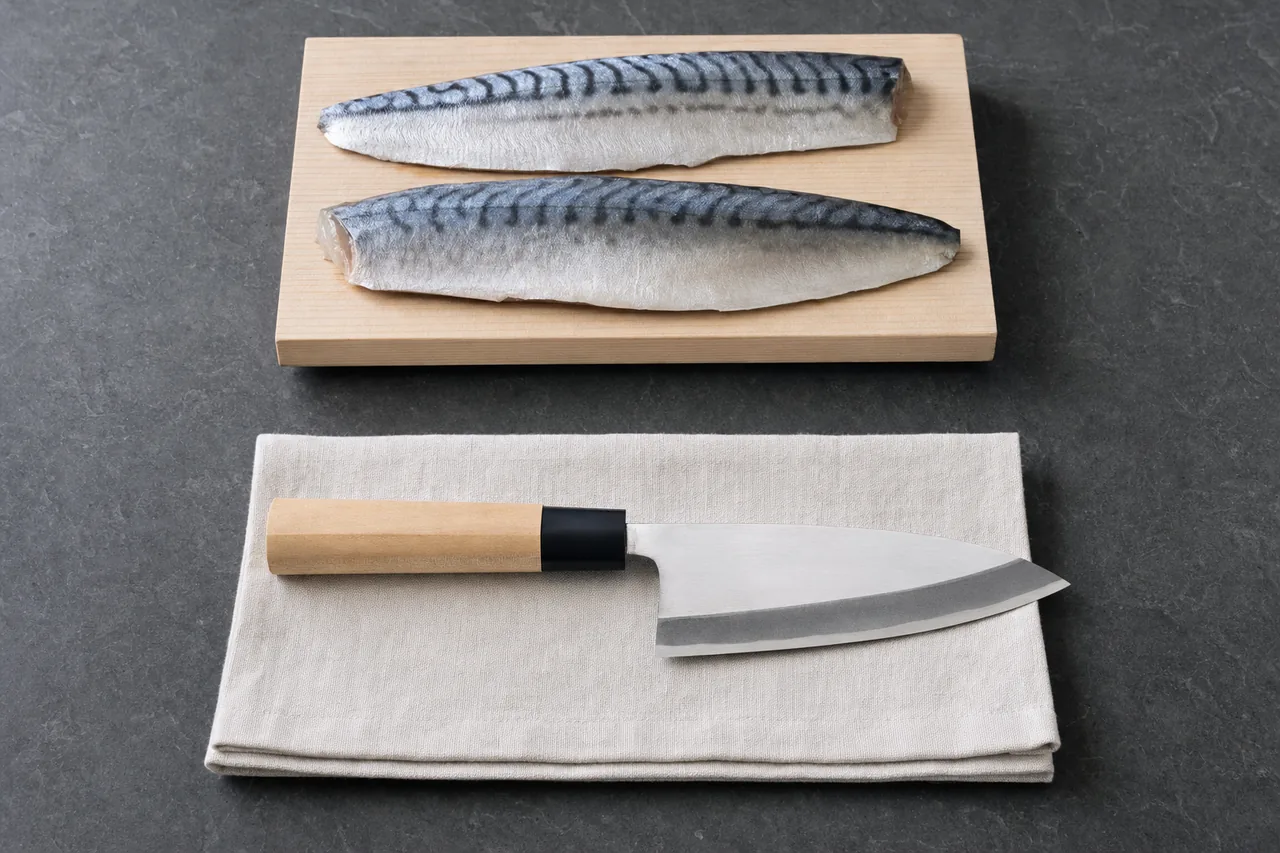
Match the blade to the fish you buy most often. These are the lengths Tojiro’s guide gives:
| Fish | Blade length | Knife |
|---|---|---|
| Small fish such as horse mackerel (aji), whiting (kisu) and small sardines | 105–120mm | Ko-deba or aji-kiri |
| Medium fish such as young yellowtail (inada), mackerel (saba) and barracuda (kamasu) | 150–165mm | Deba |
| Sea bream (tai), yellowtail (buri) and other large fish | 165–180mm | Deba |
| Amberjack (kanpachi), salmon and similar | 210mm or more | Deba |
Tojiro adds two points. A large knife on a small fish makes the work harder, not easier. And for a large sea bream, 165mm can feel short when taking off the head, so 180mm is worth considering.
The same guide separates two small knives that look alike: a ko-deba has the same thick build as a deba in a shorter length, while an aji-kiri has a thinner, lighter blade for working through many small fish quickly.
Steel: White Steel or Stainless
White steel takes the keenest edge and needs the most care; stainless is the low-maintenance choice. Tojiro’s guide compares the three steels it uses for deba knives:
- White steel (shirogami): rated highest for sharpness, and easy to sharpen. It rusts easily, so Tojiro says to wipe the blade dry after use and to oil it before storing it for a long time
- Molybdenum vanadium stainless: rated highest for resistance to chipping, and resistant to rust. Tojiro suggests it for a first Japanese-style knife
- VG-10 stainless: described as resistant to rust yet sharp, and rated highest for ease of maintenance
Two of the three picks in this guide are white steel, and one is VG-10. Japanese Knife Steel Types Explained covers these steels in more detail.
The Three Picks
Single Bevel, White Steel: Tojiro Deba Shirogami 165mm
Tojiro Deba Shirogami 165mm from SharpEdge — €190.00 (about $213). US buyers: about $280 in total with shipping and the 25% tariff.
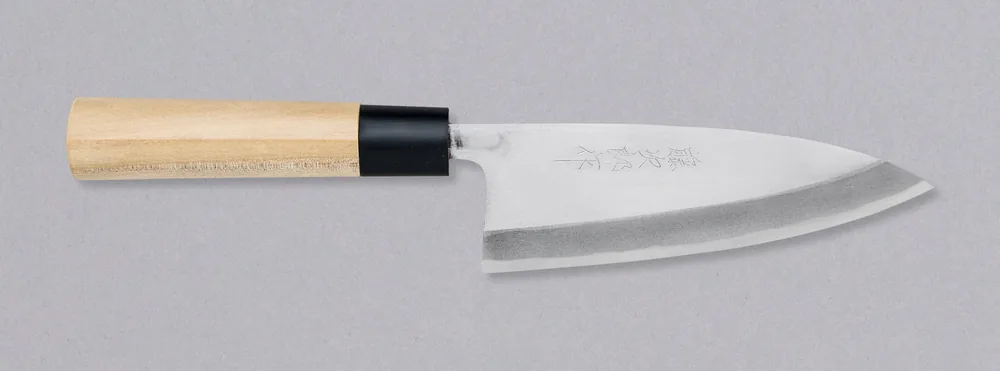
This is Tojiro’s white steel deba in the 165mm length (model F-902 on Tojiro’s own store). Tojiro lists a white steel core with soft iron on the sides, a magnolia handle with a resin ferrule, an overall length of about 315mm and a weight of about 270g, ground on one side for right-handed use. SharpEdge, the retailer, lists the blade at 7mm thick and the steel at around 61–62 HRC, and notes that the blade will develop a patina. It is the pick in this guide for a first deba, because it is the length Tojiro suggests starting with and it comes from a maker that publishes its specifications.
Japan Check
Made in: Tsubame-Sanjo, Japan (Tojiro says its deba knives are made in-house there)
Steel: White steel (shirogami) core, soft iron cladding
Blade Length: 165mm
Edge: Single bevel, right-handed
Weight: About 270g (per Tojiro)
Sold by: SharpEdge (ships from Europe)
Checked Against: store.tojiro.net (specifications, origin), sharpedgeshop.com (price, stock)
Last Checked: 2026-10-10
Single Bevel, US Buyers: Sakai Takayuki Kasumitogi Deba 165mm
Sakai Takayuki Kasumitogi Deba 165mm — $153.00 at Chubo Knives, which ships to the United States.
Sakai Takayuki is a product of Aoki Hamono Seisakusho of Sakai, according to the maker’s site. Chubo describes the Kasumitogi line as traditional forged knives made from Yasuki white steel by the kasumi method, which joins carbon steel to a soft iron jacket, with a magnolia handle and a water buffalo bolster. Chubo also states that the knife is single-edged for right-handed users, and that as carbon steel it should be kept clean and dry and oiled if it will not be used for some time. For a US reader it is the lower-cost way into a single-bevel white steel deba in this guide, because the price is in dollars and no SharpEdge tariff estimate applies. Chubo also lists the same knife in 150mm at $142.00.
Japan Check
Maker: Sakai Takayuki, a product of Aoki Hamono Seisakusho of Sakai, according to the maker’s site
Steel: Yasuki white steel, kasumi construction (per Chubo)
Blade Length: 165mm
Edge: Single bevel, right-handed
Sold by: Chubo Knives (US only)
Checked Against: chuboknives.com (specifications, price, stock)
Last Checked: 2026-10-10
Double Bevel, Western Handle: Tojiro DP Yo-Deba 240mm
Tojiro DP Yo-Deba 240mm from SharpEdge — €295.00 (about $331). US buyers: about $427 in total with shipping and the 25% tariff.
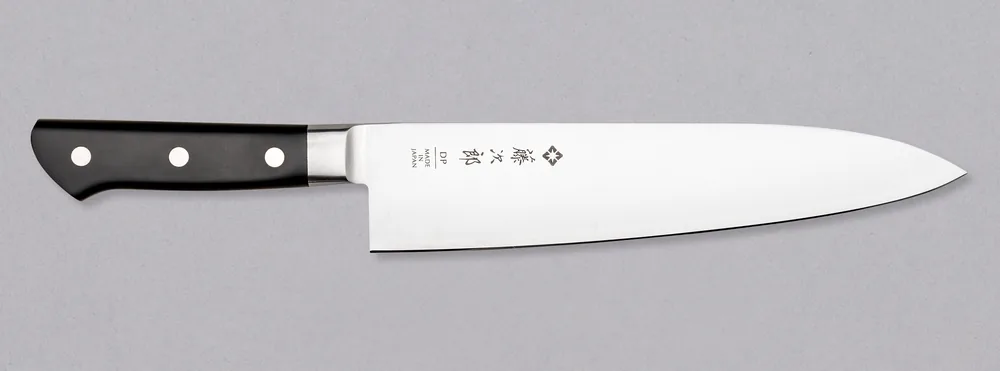
A yo-deba is the Western-style version of the deba. SharpEdge describes this one as shaped like a gyuto but much thicker, with a heavily reinforced spine, a double-bevel edge, a VG-10 core clad in softer steel, and a riveted micarta handle with a stainless bolster. SharpEdge suggests it for filleting tuna and other large fish of 10kg (22 lb) or more. Because the edge is ground on both sides, it suits left-handed as well as right-handed cooks, and VG-10 is stainless, so it asks for less care than white steel. It is the pick here for large fish and for anyone who does not want a single-bevel knife.
Japan Check
Maker: Tojiro, which describes itself on its site as a maker of knives made in Tsubame-Sanjo, Japan
Steel: VG-10 core, stainless cladding
Blade Length: 240mm
Edge: Double bevel
Sold by: SharpEdge (ships from Europe)
Checked Against: store.tojiro.net, tojiro.net (maker, series), sharpedgeshop.com (specifications, price, stock)
Last Checked: 2026-10-10
Left-Handed Cooks
A standard single-bevel deba is ground for the right hand. Both white steel picks above are listed by their sellers as right-handed, and Chubo asks buyers to contact it for pricing on left-handed versions of the Kasumitogi line. If you are left-handed and do not want to order a left-handed single-bevel knife, a double-bevel knife such as the yo-deba above works in either hand.
Caring for a Deba
Dry a white steel deba straight after use. Tojiro’s advice for white steel is to wipe off all moisture after use and to oil the blade before storing it for a long period; it adds that rust on iron-based steel tends to spread sideways, so it is better dealt with early.
- Sharpening: Tojiro says a deba can be sharpened at home on a whetstone, and suggests having it re-sharpened by its own craftsmen once every few years. See how to sharpen a Japanese knife on a whetstone and the sharpening stones covered for beginners
- Storage: keep the edge away from other tools, and keep the blade dry. How to Store and Maintain a Japanese Knife goes through rust prevention step by step
If raw fish for sushi or sashimi is the goal, the slicing is done with a different knife; Best Japanese Knife for Sushi covers yanagiba.
Frequently Asked Questions
What is a deba knife used for?
Breaking down whole fish. Tojiro describes the deba as a knife specialised for removing the head, filleting the fish and cutting through bones.
What size deba should I buy first?
165mm. Tojiro says 165mm is the size chosen most often in its stores and online shop, and suggests it as a first deba. Its guide matches 150–165mm to medium fish such as mackerel and 165–180mm to sea bream and yellowtail.
Is a deba single bevel?
A traditional deba is single bevel: the cutting bevel is on one side only, which Tojiro says lets the blade follow the bone. A yo-deba, the Western-style version, has a double-bevel edge.
Can left-handed cooks use a deba?
A standard single-bevel deba is ground for right-handed use. Left-handed cooks need a left-handed version or a double-bevel knife such as a yo-deba.
Does a white steel deba rust?
Yes, white steel rusts easily. Tojiro says to wipe the blade dry after use and to oil it before storing it for a long time.
Not sure a deba is the fish knife you need? Deba vs Yanagiba explains what each one does.
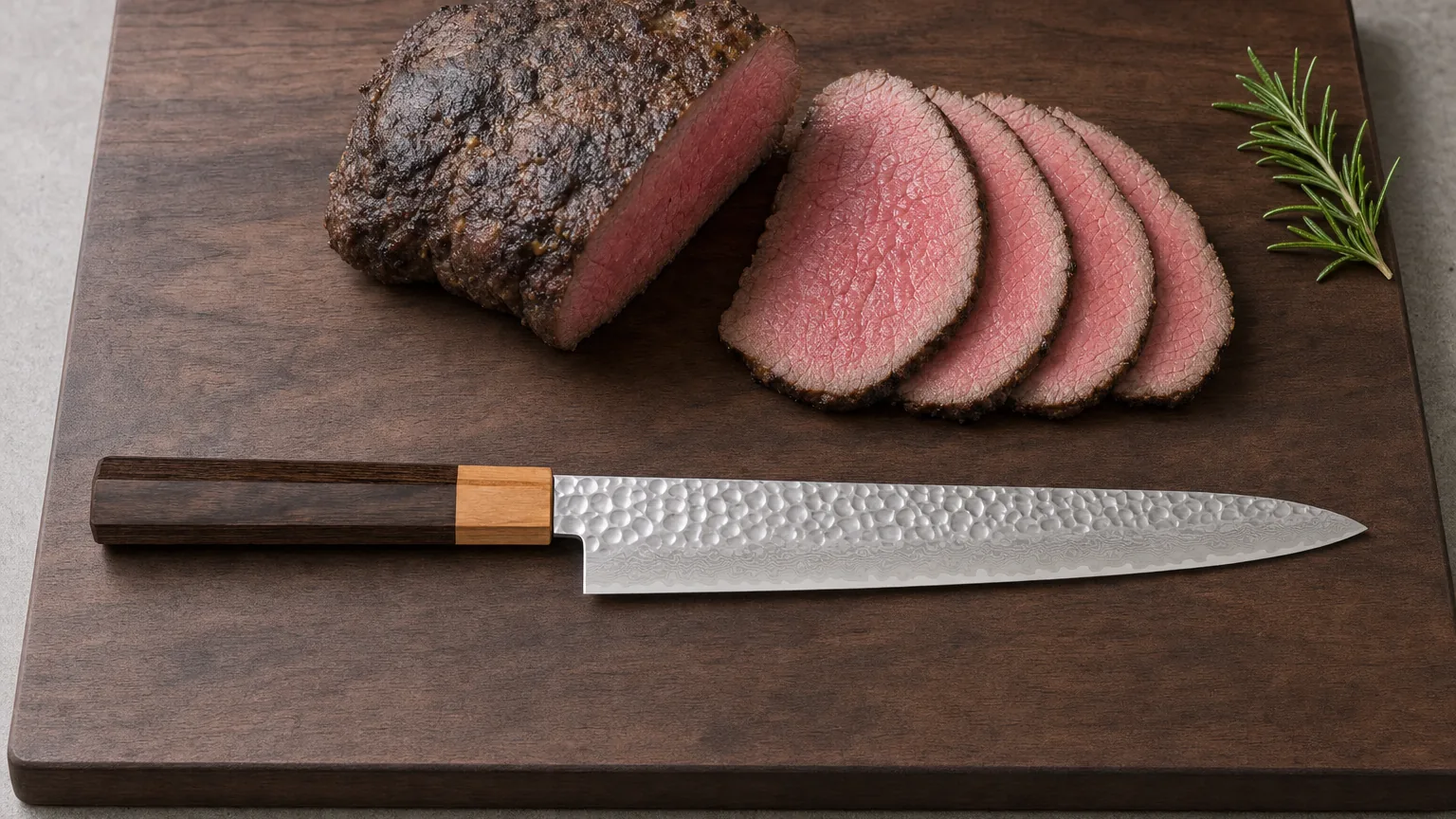
Product images are illustrative renderings based on retailer product photos.
Comments