How this article was made: Research-based comparison. It draws on published information from makers, retailers, and reference sources, not on hands-on testing.
The Honest Answer: Kintsugi Is Not a Quick Fix
If you are expecting a same-day repair, kintsugi will surprise you. A traditional urushi-based kintsugi repair takes about a month according to Chimahaga, and Tsugu Tsugu says two to three months is common. (Chimahaga’s two pages word it differently: its About Kintsugi page says a broken piece of pottery can take up to a month, and its guide to choosing a kit says a month at the earliest.) An epoxy kit is far quicker: the seller of the iienjoy kit says its epoxy is fully cured in 24 hours. Understanding why helps you plan realistically and avoid the frustration of rushing a process that simply cannot be hurried.
Stage-by-Stage Breakdown: Traditional Urushi Lacquer
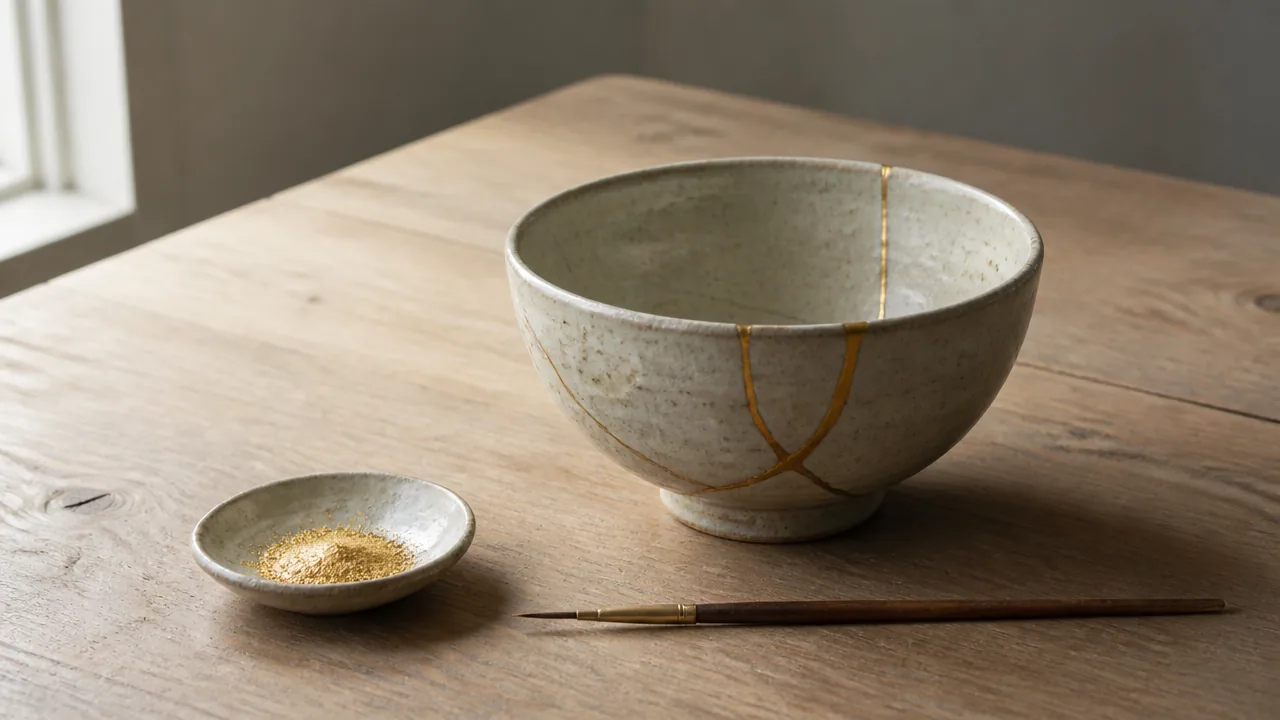
The traditional method involves building up multiple thin layers of urushi lacquer, allowing each one to cure fully before the next is applied. Skipping or shortening any stage compromises the structural integrity and visual quality of the repair. Below is a general breakdown of the major stages and their typical durations.
| Stage | Approximate Time per Cycle |
|---|---|
| Initial crack filling or piece bonding | About 1 week for the urushi glue to harden (Chimahaga) |
| Additional lacquer layers (build-up coats) | A few days to 1 week each, repeated as needed (Tsugu Tsugu) |
| Surface leveling and wet sanding | Spread across several sessions |
| Decorative urushi top coat | A few days to 1 week (Tsugu Tsugu) |
| Gold powder application and setting | A few days to 1 week (Tsugu Tsugu) |
| Final polishing | Done after full cure |
| Before using the piece | About 1 month after the repair is finished (Chimahaga, Tsugu Tsugu) |
Times are the makers’ own figures: Chimahaga, Choosing the Kintsugi Kit that Suits Your Needs, Chimahaga, Is Kintsugi ware dishwasher safe? and Tsugu Tsugu, Kintsugi Beginner’s Guide (read on October 4, 2026).
Because each coat needs its own curing window inside a humid environment, and because most repairs require several coats, the cumulative time adds up quickly. How to Do Kintsugi at Home: Step-by-Step goes through what is done at each stage. A repair involving multiple broken fragments will naturally move through more cycles than a single hairline crack. For a deeper look at how traditional and epoxy kits differ in construction and materials, see our comparison in Authentic Kintsugi Kit vs Synthetic Resin Kit. Glass is a separate case, with its own lacquer and a different process; Can You Use Kintsugi on Glass? Materials That Work and What to Expect covers what the makers say about it.
The Faster Route: Epoxy Kintsugi Kits
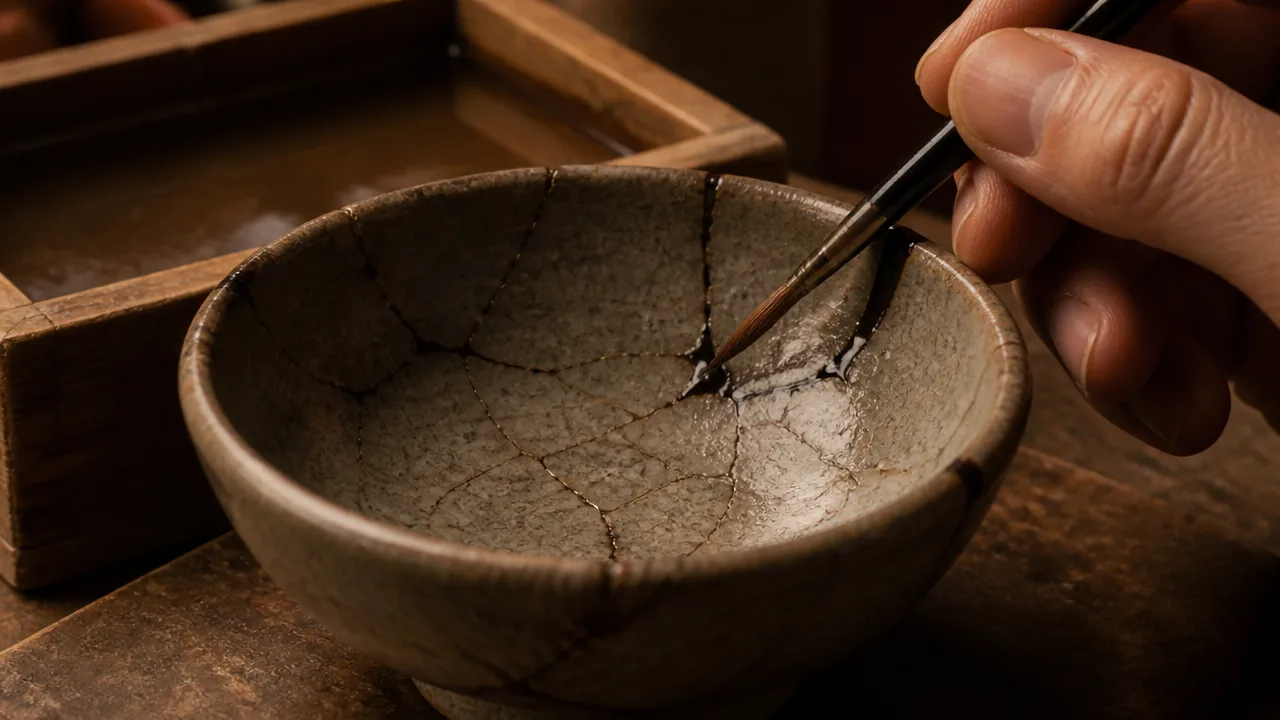
Epoxy kits operate on a completely different timescale. The adhesive cures at room temperature, with no need for humidity control. As one example, the seller of the iienjoy Kintsugi Repair Kit states on its Amazon.com listing that the repair is fully cured in 24 hours (listing read on October 4, 2026). This makes the overall repair window far shorter than the traditional route.
The 24 hours is the seller’s figure for the adhesive to cure. The listings read for this article give no times for any finishing steps after that, and cure times differ from product to product, so plan around the time stated in the instructions of the kit you buy.
The trade-off is that epoxy repairs, while faster, are generally considered less durable over decades and do not carry the same historical authenticity as urushi. If you are still weighing which approach suits your goals, Kintsugi Kit for Beginners: Authentic Urushi vs Synthetic Resin walks through the practical considerations for first-time repairers. Once you know how much time you can give a repair, Best Japanese Kintsugi Repair Kits 2026 compares one epoxy kit and two urushi kits.
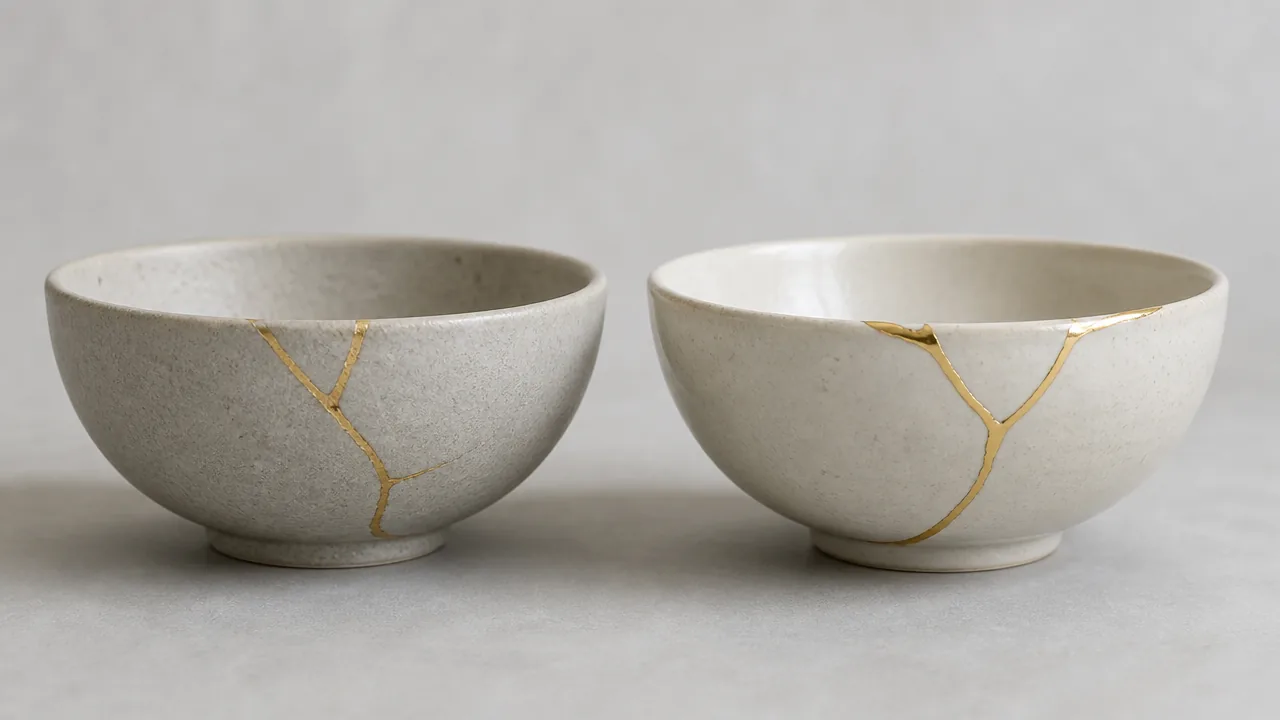
Why Urushi Lacquer Takes So Long: The Science
The waiting time in traditional kintsugi is not arbitrary. Urushi lacquer does not dry the way paint or glue dries. It undergoes polymerization — a chemical reaction driven by moisture and oxygen rather than by evaporation. This is why a warm, dry room actually slows or stops the process entirely.
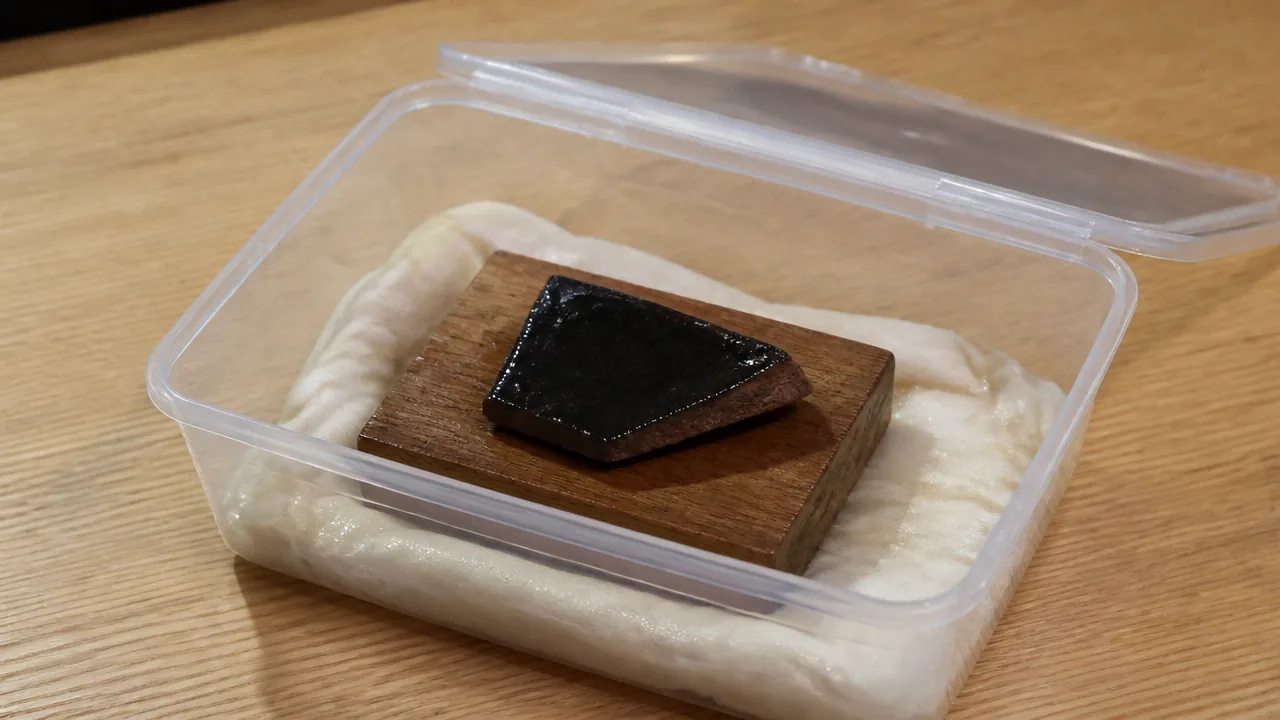
Practitioners traditionally use a muro, a humidity-controlled wooden cabinet, to maintain the conditions lacquer needs to cure properly. At home, a sealed plastic container with a damp cloth inside can approximate the same environment. Without adequate humidity, the lacquer surface may appear dry while remaining uncured underneath, leading to weak bonds or surface irregularities that appear only after subsequent coats are applied.
This biology of the material is why there is no shortcut that preserves quality. Each layer needs its own drying time in a humid environment, from a few days to a week according to Tsugu Tsugu, before the next stage can begin.
What Makes Your Timeline Longer or Shorter
Several practical variables will push your repair toward the shorter or longer end of that one-to-three-month range.
- The extent of damage matters significantly. A single hairline crack needs fewer filler coats than a bowl broken into four or five pieces, each joint requiring its own build-up sequence.
- Ambient humidity and season play a real role. In dry climates or during heated indoor winters, maintaining adequate moisture around the curing piece takes more effort, and curing may be slower if conditions are not well managed.
- Experience level affects application quality. A beginner may apply thicker, uneven coats that need more sanding and correction passes; a practiced hand tends to lay down thinner, more consistent layers that cure evenly and require less remedial work.
- The specific urushi or lacquer product used can have different curing characteristics. Not all formulations behave identically, so the drying times above are a guide, not a guarantee.
For guidance on choosing the right adhesive and gold powder for your repair, Best Kintsugi Glue and Gold Powder for Repairs 2026 covers the key differences in detail.
Frequently Asked Questions
Can I speed up the kintsugi process?
With traditional urushi, not meaningfully. Applying heat or placing the piece in a dry environment will not accelerate curing — it will likely prevent it. The polymerization reaction needs humidity, and that takes the time it takes. The most productive approach is to work on more than one piece simultaneously so the waiting periods overlap rather than stack.
Is epoxy kintsugi faster than traditional urushi?
Yes, considerably. The seller of the iienjoy epoxy kit, for example, says the adhesive is fully cured in 24 hours, against about a month or more for a traditional urushi repair. Faster curing also means less working time once the adhesive is mixed, so have the pieces ready before you start.
How many coats of lacquer are typically needed?
There is no single answer, because it depends on the depth of the join, the flatness of the surface, and how even each coat was applied. Generally, traditional repairs involve multiple coats — filling coats, leveling coats, and finish coats — each requiring its own curing period. Trying to condense this into fewer, thicker coats usually backfires, as thick layers cure unevenly and tend to crack.
Does kintsugi require special storage between sessions?
For urushi-based repairs, yes. Between curing sessions the piece should be kept in a humid enclosure — a muro or a DIY equivalent — to ensure the lacquer continues to cure rather than stalling out. For epoxy repairs, standard room-temperature storage between stages is generally sufficient, though you should keep the piece free from dust or accidental handling until the adhesive has fully set.
Closing Thoughts: Patience Is Part of the Practice
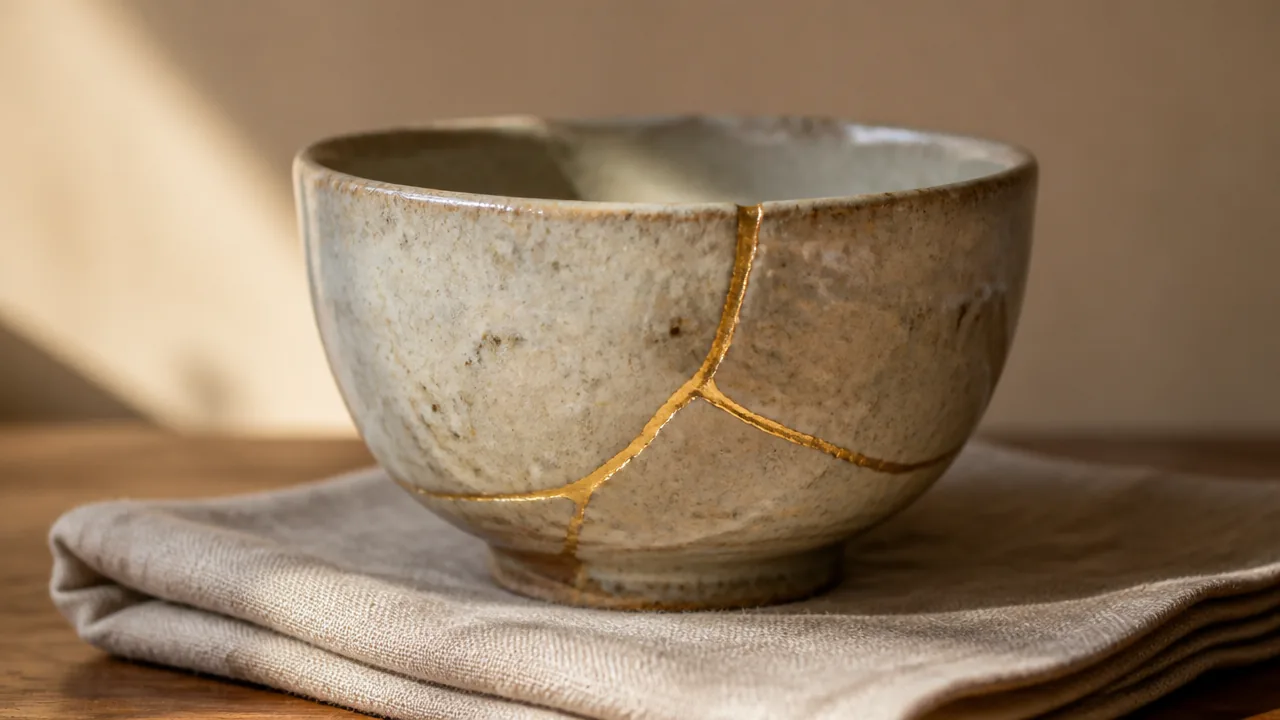
Kintsugi’s timeline is not a flaw in the process — it is inseparable from what makes the method meaningful. The month or more that a traditional urushi repair takes reflects the material’s own nature: a lacquer that demands humidity, careful layering, and time before it becomes something permanent and beautiful. Rushing any stage shortens not just the timeline but the life and quality of the repair itself.
If your schedule or climate makes traditional urushi impractical, an epoxy kit offers an accessible alternative with a much shorter turnaround. Both paths produce visually striking results; the choice comes down to your goals, your patience, and the level of historical authenticity you are seeking. Whatever route you choose, going in with a realistic sense of how long the process takes is the first step toward a repair you will actually be satisfied with.
Which approach fits your timeline — traditional urushi or epoxy? Our beginner guides can help you find the method that works best for you.