This article contains affiliate links. If you buy through them, we may earn a commission at no extra cost to you.
How this article was made: Research-based comparison. It draws on published information from makers, retailers, and reference sources, not on hands-on testing.
Why the Tools in Your Kit Might Not Be Enough
Most kintsugi kits pack in exactly enough materials for one or two repairs, and the tools bundled alongside them — a thin plastic spreader, a stub of a brush barely long enough to hold — are made to a price rather than to last. If you plan to repair more than a single piece, or if a kit’s included tools already feel inadequate mid-project, buying a few purpose-made tools separately is usually the more practical move.
This guide covers the individual tools that actually see use in a kintsugi repair, what each one is for, and specific products worth considering once you have outgrown what came in the box.
The Core Tools Every Kintsugi Repair Actually Uses
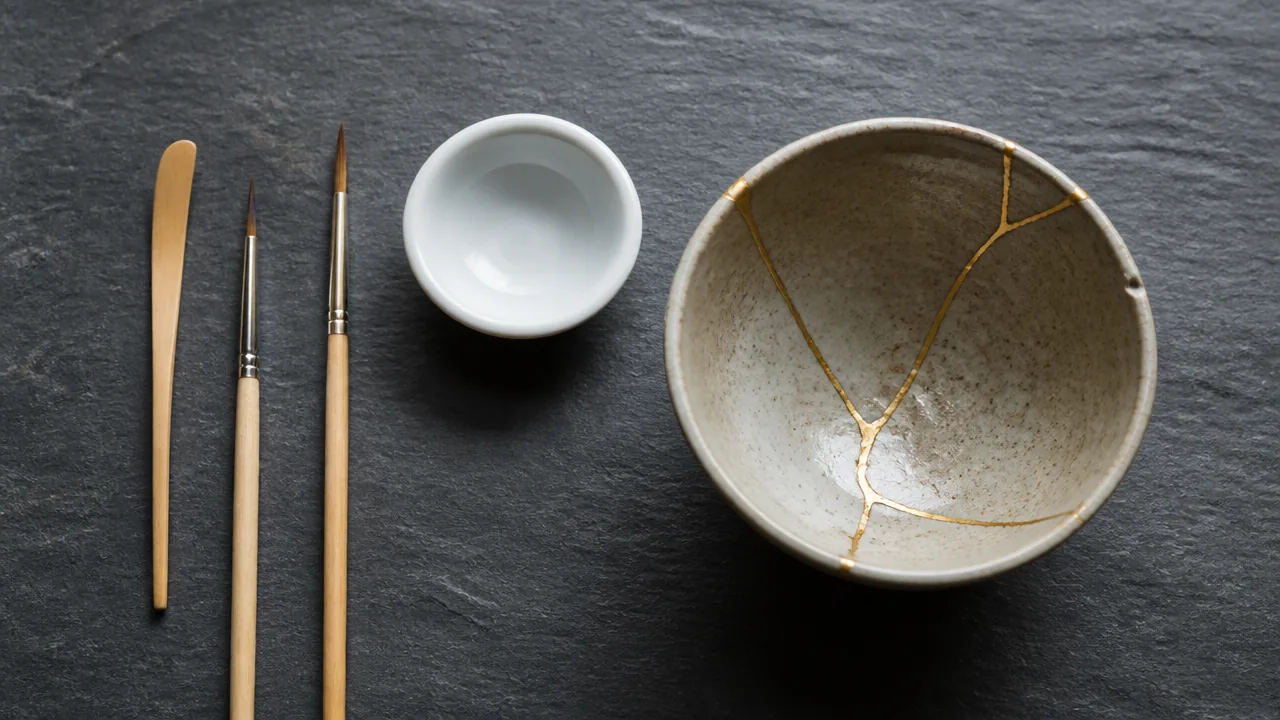
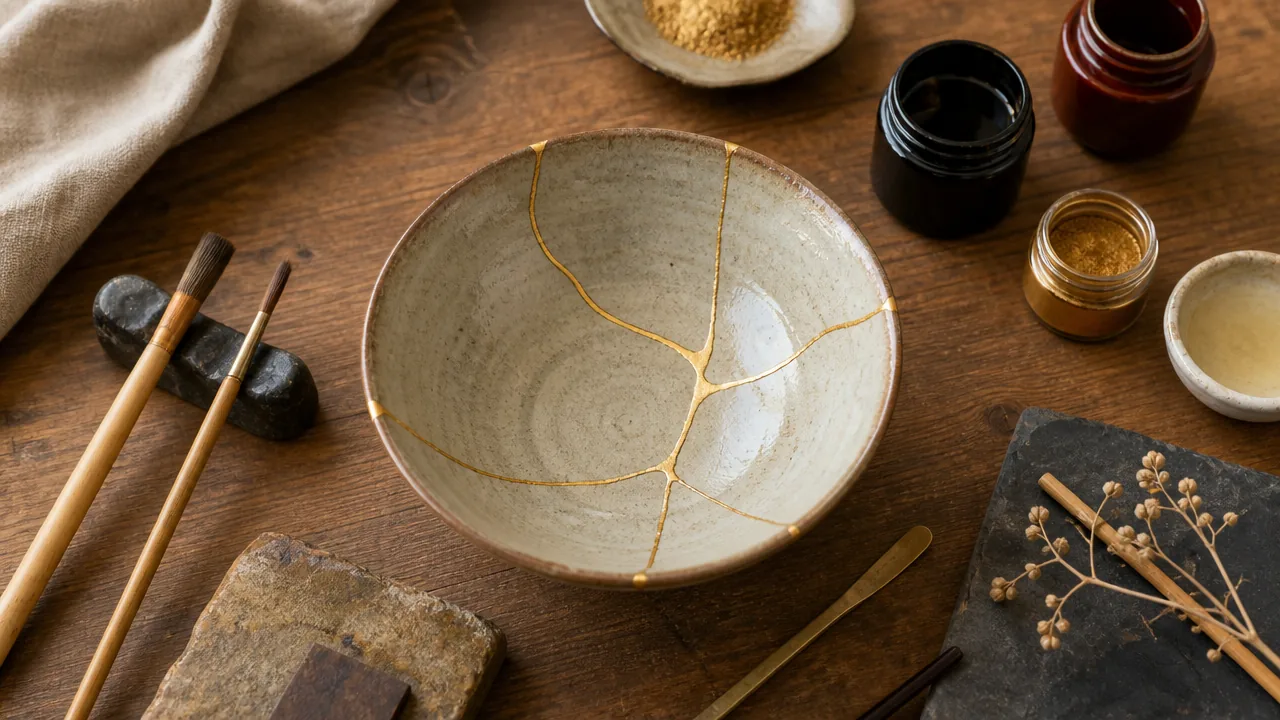
A traditional kintsugi repair moves through a small number of distinct steps, and each one calls for a slightly different tool:
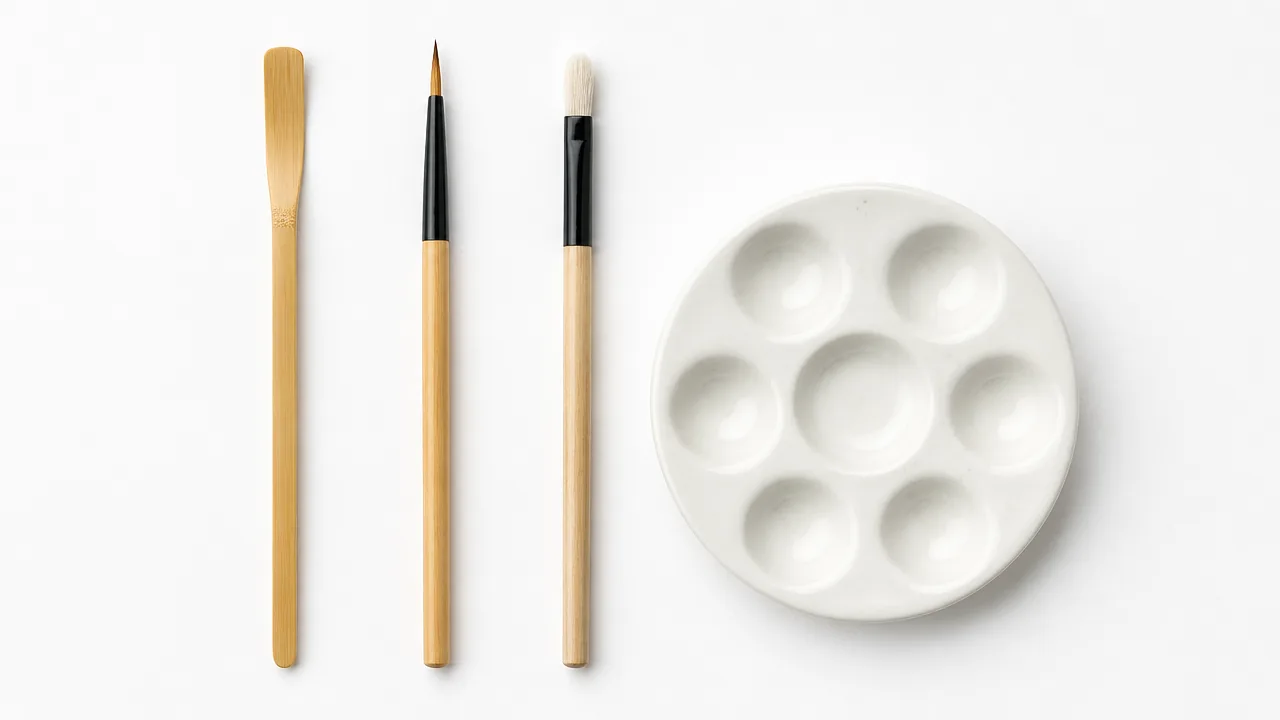
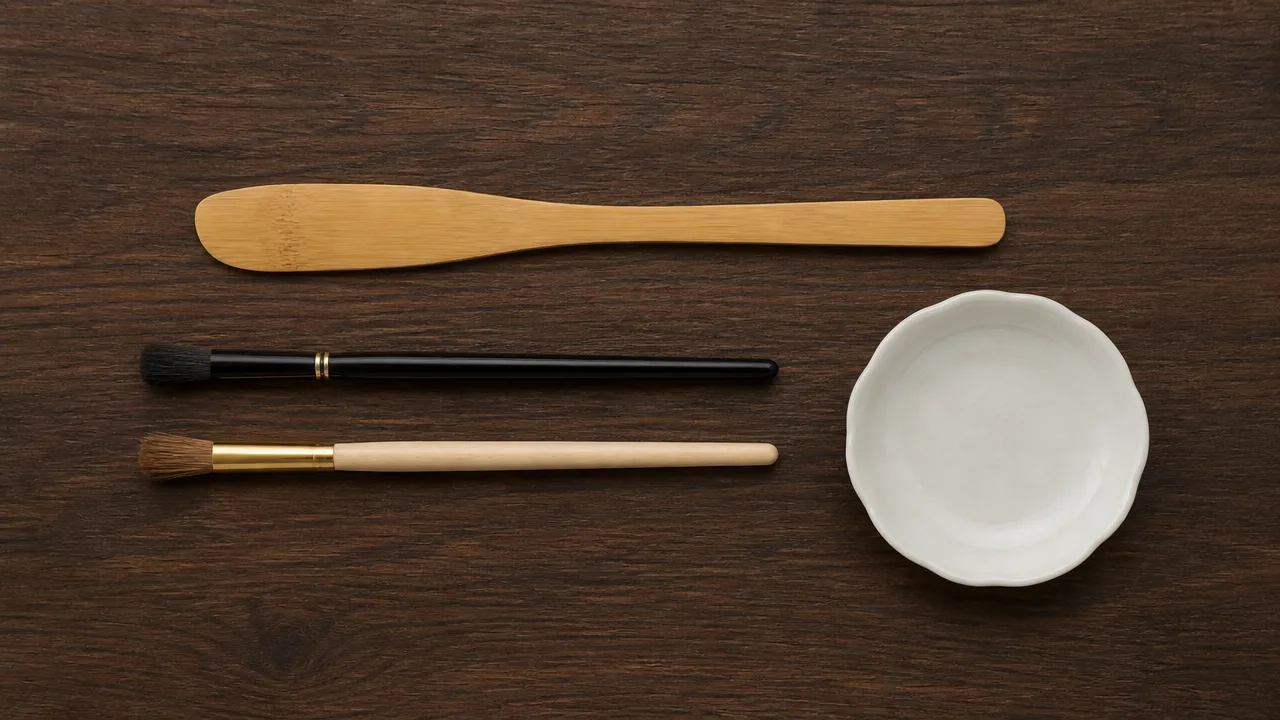
- A spatula (hera) for mixing the lacquer or adhesive and spreading it into the crack or gap. It needs a thin, flexible edge that can get into narrow seams without gouging the surrounding surface.
- An application brush for dusting metal powder — gold, silver, or an alloy substitute — onto the still-tacky lacquer once the joint has been filled. This is the step that actually produces the visible seam.
- A finishing brush for lightly sweeping away loose, unbonded powder once the metal has set, leaving a clean line rather than a dusty smear.
- A small mixing dish for combining lacquer with pigment, or for portioning out powder before application, so you are not working directly from the original container.
None of these need to be expensive, and a single set will typically last through many repairs. What matters more than price is that each tool actually does the one job it is meant for.
Recommended Products at a Glance
The four products below were checked for availability and pricing on Amazon.com on October 4, 2026. Prices are the US dollar prices shown on Amazon.com on that date, and they can change, so check the current listing before buying. If you would rather buy a complete kit than individual pieces, our Best Japanese Kintsugi Repair Kits 2026 guide covers that option in full.
| Product | Price | Role |
|---|---|---|
| Bamboo Spatula for Kintsugi (Chimahaga) | $15.80 | Mixing and applying lacquer |
| Powder Removal Brush for Kintsugi Repair (Mejiro) | $17.50 | Applying gold or silver powder |
| Ashirai Brush (Chimahaga) | $15.50 | Finishing and clearing loose powder |
| Yasutomo 9-Well Porcelain Mixing Dish | $20.67 | Mixing lacquer and portioning powder |
Product Details: What Each Tool Actually Does
Spatula
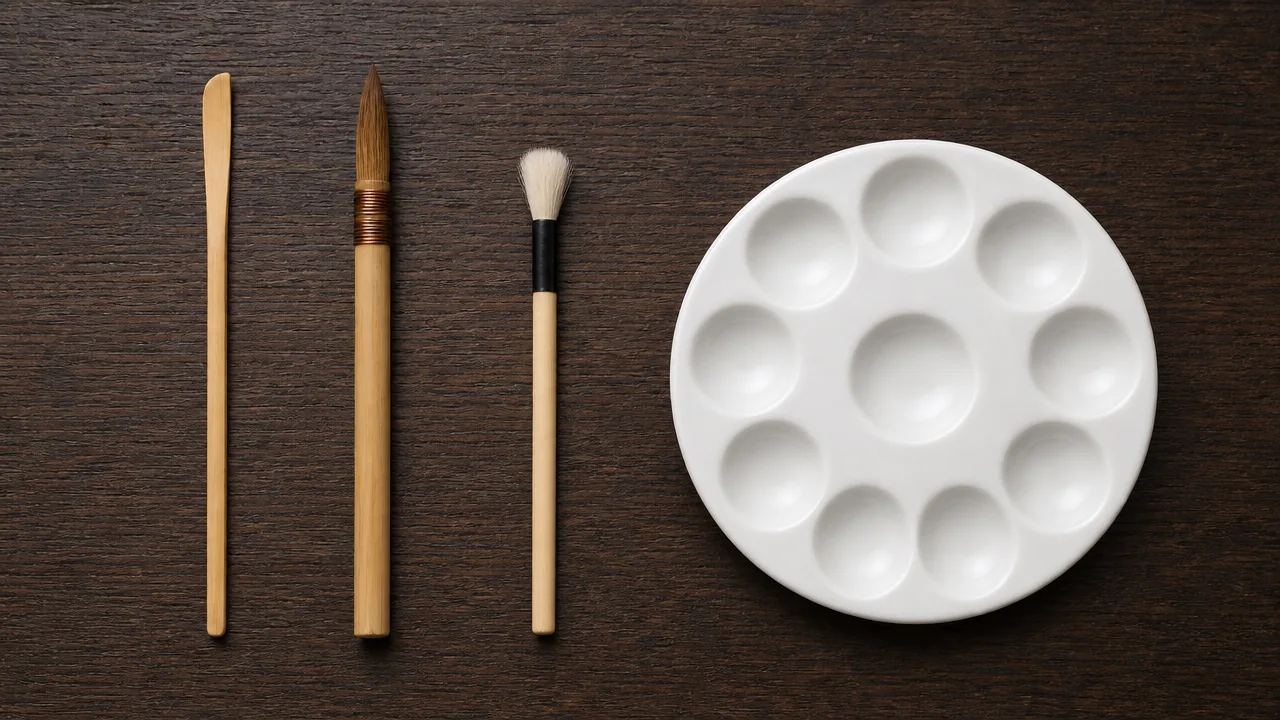
The Bamboo Spatula for Kintsugi from Chimahaga is a thin, flat spreader meant specifically for working lacquer or paste into a crack. Its own product description notes that each piece is shaved by hand, so slight differences in shape between individual units are normal rather than a defect. At $15.80, it is inexpensive enough that having a backup on hand is reasonable — bamboo spatulas can splinter at the tip with heavy use.
Application Brush
The Powder Removal Brush for Kintsugi Repair, sold through Mejiro, is a small white sheep-hair brush built for dusting gold or silver powder onto a freshly-filled seam and clearing away the excess once the powder has taken. Its listing gives exact dimensions — a 27mm brush head on a slim handle — and at the time of checking, stock was limited to single digits, so this one is worth ordering ahead of when you actually need it rather than waiting until mid-repair.
Finishing Brush
Chimahaga’s Ashirai Brush is a softer, dedicated brush for the final pass over a completed repair — the light sweep that clears any powder that never bonded to the lacquer, leaving a clean seam rather than a faint halo of loose gold dust around it. It is a smaller, more delicate tool than the application brush above, and the two are not really interchangeable: using the application brush for finishing tends to disturb powder that has already set.
Mixing Dish
The Yasutomo 9-Well Porcelain Mixing Dish is not a kintsugi-specific product — it is a general art-supply palette, the kind used for watercolor and ink mixing — but its small, separate wells make it genuinely useful for keeping portions of lacquer, pigment, or powder apart during a repair rather than working straight out of the original containers. A dedicated mixing dish also means less lacquer wasted to a container lid that never fully closes again once urushi has dried on the threads.
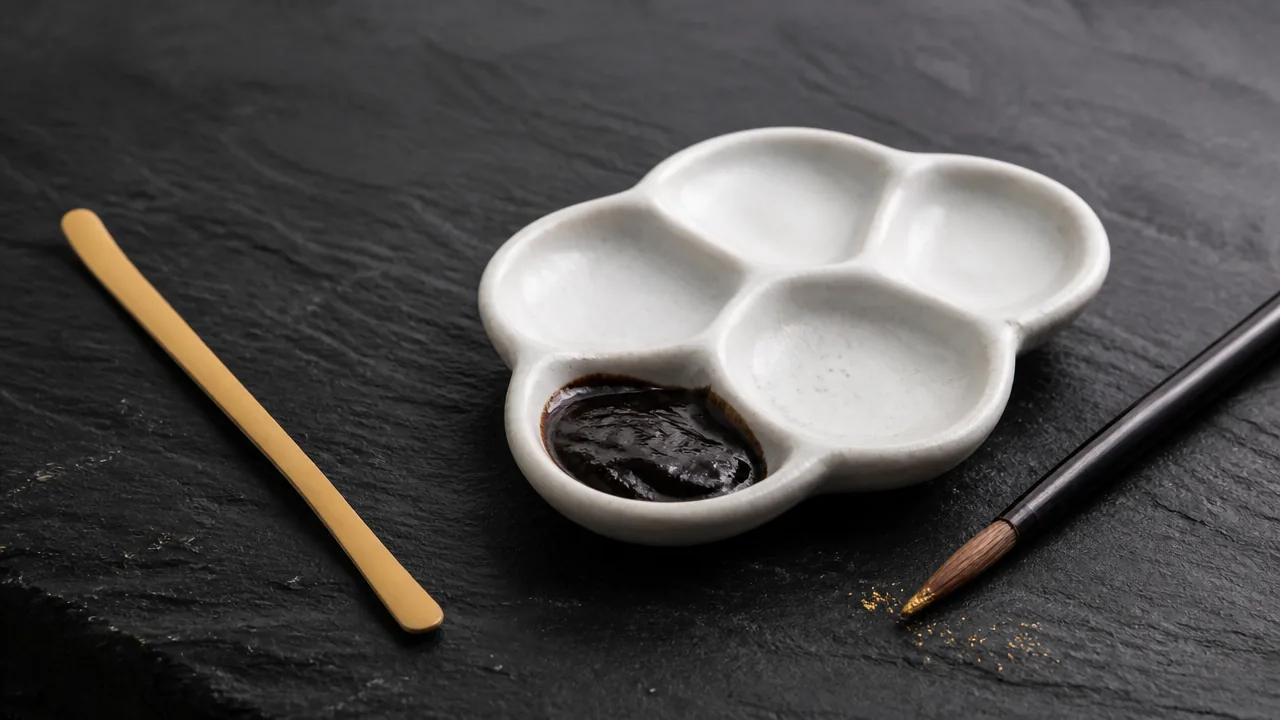
US readers: Blick Art Materials, a US art-supply retailer that only ships within the United States, stocks a mixing dish and a fine brush that fit this list. As of October 3, 2026, the Amazon listing for the Yasutomo 9-Well Porcelain Mixing Dish showed only one left. If it is sold out, the Yasutomo Porcelain Saucer ($6.75 at Blick) is the simplest replacement: a single small porcelain dish from the same maker. If you mix several colors at once, the Meeden 12 Well Round Porcelain Palette ($10.36) gives you more separate wells.
For drawing fine lines, the Princeton Velvetouch Series 3950 Liner, size 10/0 ($5.35 at Blick) is a small synthetic liner brush. It is a general art brush rather than a kintsugi-specific one, so treat it as a practice or backup brush alongside the Japanese brushes above. Blick ships free within the 48 contiguous US states on orders of $79 or more; smaller orders cost $9.95 to ship (as of October 3, 2026).
Choosing and Caring for Your Tools
A few practical points that make a bigger difference than picking the fanciest option on the shelf:
- Keep application and finishing brushes separate, even if they look similar. Once a brush has been used to apply powder into wet lacquer, its bristles pick up residue that will contaminate a clean finishing pass.
- Clean brushes immediately after use. Dried lacquer or powder residue stiffens bristles permanently; a brush left dirty overnight is often unusable the next day.
- Store bamboo spatulas flat rather than upright in a jar. Bamboo can warp slightly over time if stored standing in humid conditions, and a warped spatula edge no longer sits flush against a repair line.
- Wipe out mixing dish wells between colors or materials before they dry. Dried lacquer residue in a well is difficult to remove without scratching porcelain.
Also Needed: Disposable Nitrile Gloves
Raw urushi lacquer contains urushiol, the same compound behind poison ivy rashes, so it can cause an itchy skin reaction; wear disposable nitrile gloves whenever you handle it together with these tools, and wash any skin contact with soap and water straight away. A 100-glove box such as MedPride Powder-Free Nitrile Exam Gloves (about $9.99 on Amazon.com, October 2026; choose your size) lasts for many repairs.
Frequently Asked Questions
Can I just use a regular paintbrush instead of a dedicated kintsugi brush?
For mixing or spreading lacquer, a stiff bristle from a hardware-store brush can work in a pinch. For applying metal powder, it is harder to substitute — kintsugi application brushes are built with very fine, dense bristles specifically to pick up and release a controlled amount of fine powder, and a coarser brush tends to apply it unevenly.
Do I need a separate mixing dish, or can I use the lid of my urushi jar?
You can use the jar lid for a single small repair, but a separate dish is worth having once you are doing more than one project. Urushi that dries on a jar’s threads can make the container difficult to reseal, and a dedicated dish also lets you mix a small batch of pigmented lacquer without touching your main supply.
How long do kintsugi tools typically last?
With proper cleaning after each use, a good spatula and brush set can last through many repairs over several years. Bamboo spatulas are the most likely to need replacing first, since the tip can splinter or wear down with repeated use against ceramic edges.
Are these tools necessary if I already bought a full starter kit?
Not necessarily for a first repair — most kits include basic versions of a spatula and brush. They become worth buying separately once the included tools wear out, feel too small or flimsy to control well, or once you are working on more than the one or two repairs a kit is designed for.
Related Reading
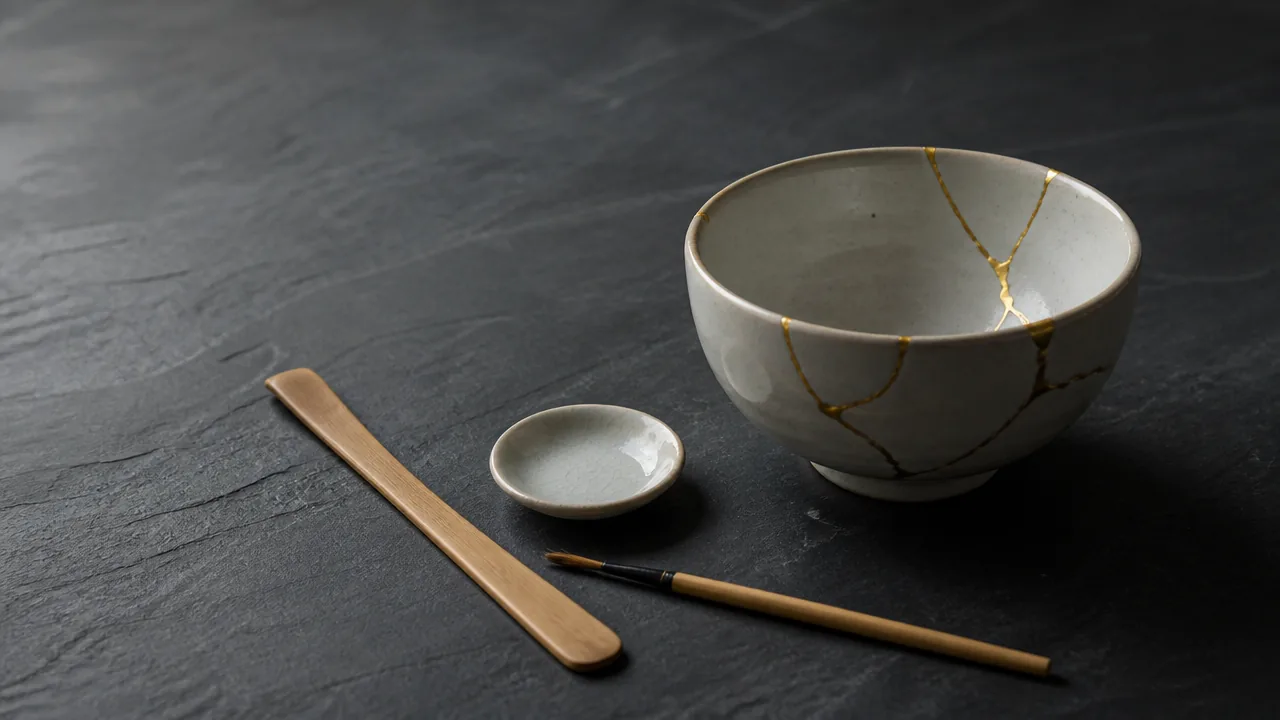
If you are assembling your kintsugi setup from scratch, our Best Japanese Kintsugi Repair Kits 2026 guide compares complete kits by skill level and budget, and our guide to choosing kintsugi glue and gold powder covers the adhesive and metal-powder side of the process in detail. If you are still deciding between traditional urushi and a synthetic-resin approach before buying anything, Kintsugi Kit for Beginners: Authentic Urushi vs Synthetic Resin walks through that decision first.
Once your tools are sorted, the difference between an average repair and a clean one usually comes down to patience with the drying times, not the tools themselves.