How this article was made: Research-based comparison. It draws on published information from makers, retailers, and reference sources, not on hands-on testing.
Store Kintsugi Supplies Cool, Dark, Dry, and Tightly Sealed
Kintsugi supplies deteriorate quickly when they are stored badly: urushi lacquer thickens or hardens in the jar, metal powders clump or tarnish, and brushes stiffen into unusable bristles. The safest default is a cool, dark, dry place with every container tightly closed and clearly labeled. Most of the damage comes from air, moisture, heat, and light, and a little planning keeps all four under control.
This guide covers how to store urushi, gold and silver powder, brushes and spatulas, and which containers and locations work best. Storage advice for natural lacquer varies a little between suppliers, so treat the guidance here as general and follow the label on your own product wherever it says something different.
How to Store Urushi Lacquer
Urushi does not dry by evaporation. It hardens through a reaction with moisture and oxygen, which is why a warm, humid box helps a repair cure and also why the same conditions are a problem for a jar you want to keep workable. Our guide to how long a kintsugi repair actually takes explains the curing side of that reaction. Storage is essentially the opposite goal: keep the lacquer away from air, warmth, and damp.
These habits matter most:
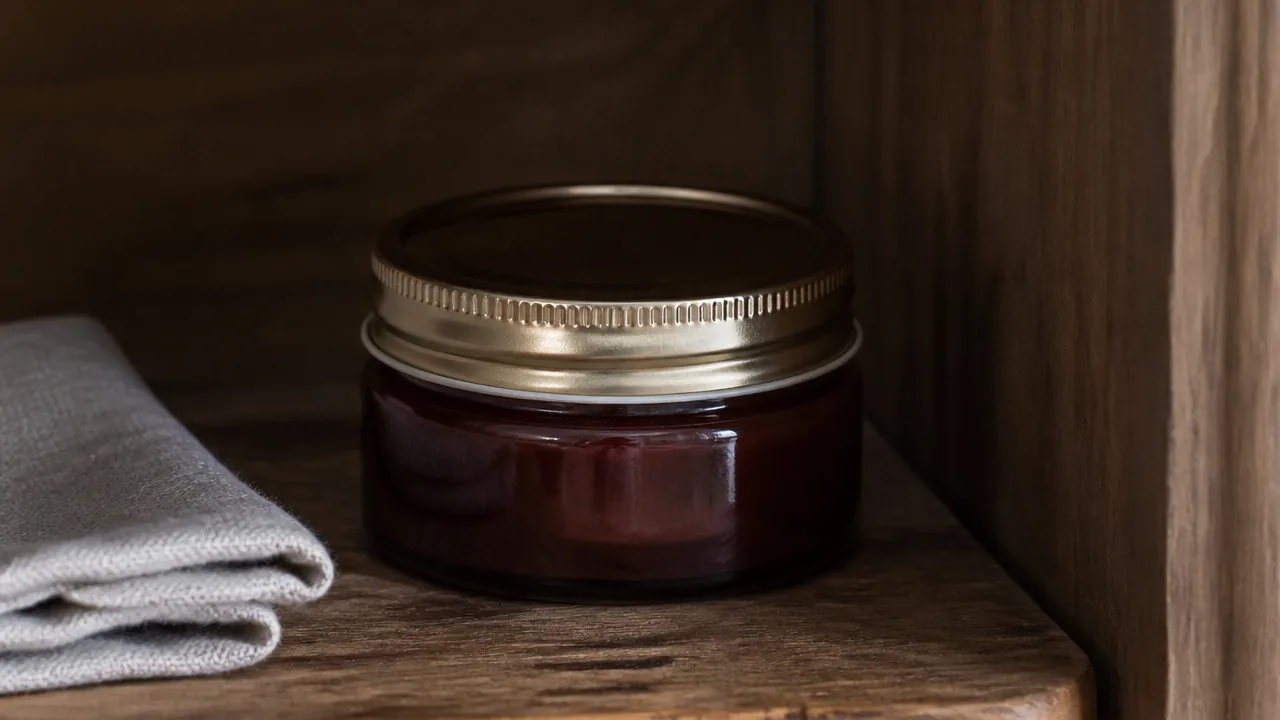
- Keep the lid tight, and wipe the rim and threads clean before closing, because lacquer that dries on the threads can make a jar hard to reseal.
- Choose a cool, shaded spot away from windows, heaters, and hot rooms, since direct sunlight and heat can speed up thickening. Some suppliers recommend a refrigerator instead of a cupboard, so follow the label on your product.
- If you chill a jar, let it return to room temperature before opening it, so condensation does not form on the cold lacquer.
- Keep jars out of the humid curing box. The muro, a humidity-controlled cabinet, or its home-made equivalent is for objects that are curing, not for storage.
- Take out only what you need with a clean spatula and place it on a dish. Do not tip leftover lacquer back into the jar, since air, dust, or pigment can spoil the rest.
- Some practitioners press a small piece of plastic film or thin paper onto the surface of the lacquer before closing the lid, to reduce contact with air.
- Write the date you first opened the jar on a strip of tape so you can judge how long it has been open.
Uncured urushi contains urushiol, the same compound behind poison ivy reactions, so store jars where children and pets cannot reach them and away from food. If a jar is sticky on the outside, wear gloves when you wipe it clean.
How long an opened jar stays usable varies by product and by how it was stored, so test a small amount on scrap before trusting it with a real repair. Lacquer that has turned lumpy, stringy, or partly hardened is a poor choice for a structural seam.
How to Store Gold and Silver Powder
Metal powder is the smallest and most expensive part of most kintsugi setups, and it is easy to lose through a knocked-over vial or a damp cabinet. What you need to protect against depends on the metal.
Genuine gold powder, called keshifun in traditional work, does not tarnish the way brass does, as our gold powder guide explains, so its main risks are moisture, dust, and spills. Fine powder can clump when damp, and powder contaminated with dust or stray lacquer is harder to apply cleanly.
Brass and other imitation gold powders behave differently. Brass is a copper-zinc alloy that oxidizes and changes color over time, and a sealed, dry container may slow that down but cannot be relied on to stop it. Silver powder can also tarnish, particularly near sulfur-containing materials such as rubber bands, some cardboard, and wool.
A few habits keep powders in good shape:
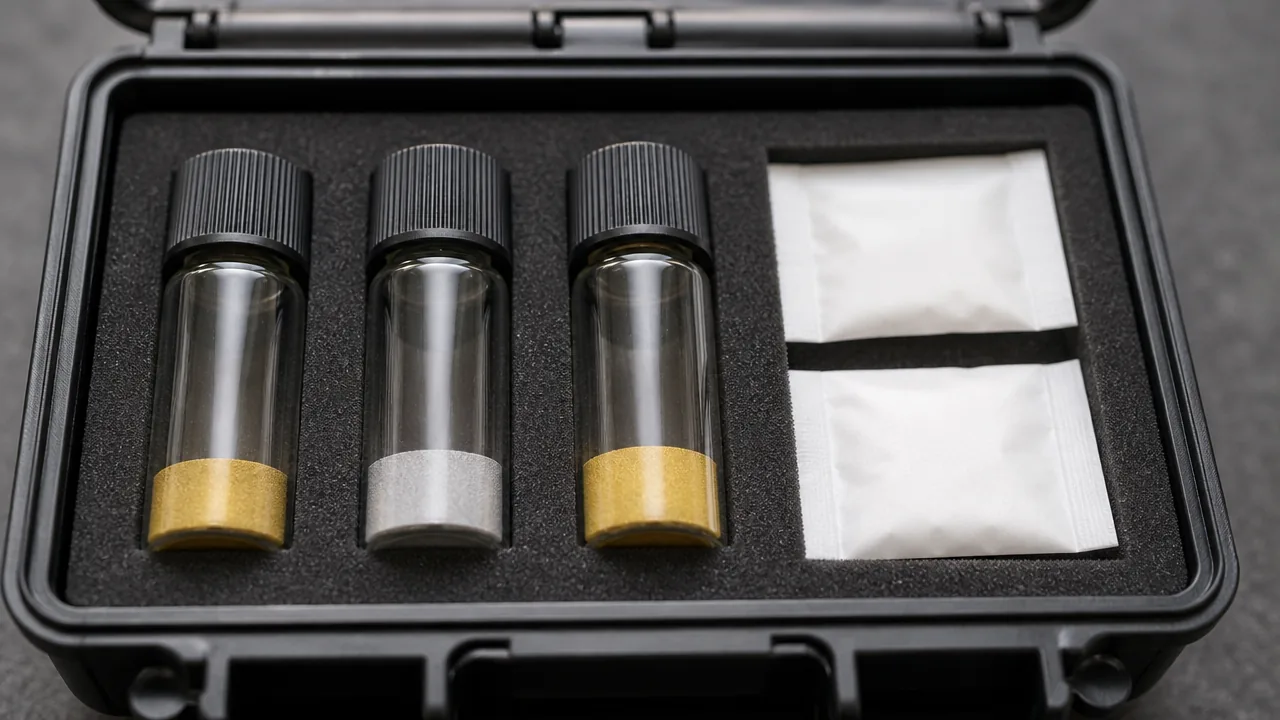
- Keep powders in their original small vials or in small, tightly capped glass containers, standing upright.
- Put the vials inside a second sealed box or bag together with a silica gel sachet, so one damp day never reaches the powder itself.
- Give each metal its own labeled container, so brass never ends up mixed into gold.
- Use a clean, dry spoon or brush to take powder out, and never return unused powder to the vial.
- Open vials over a clean tray, away from drafts and open windows, so a spill can be recovered.
Keep every powder sealed, dry, and in its own labeled container, because a second box around the vials is cheap insurance for something this expensive.
Caring for and Storing Brushes and Spatulas
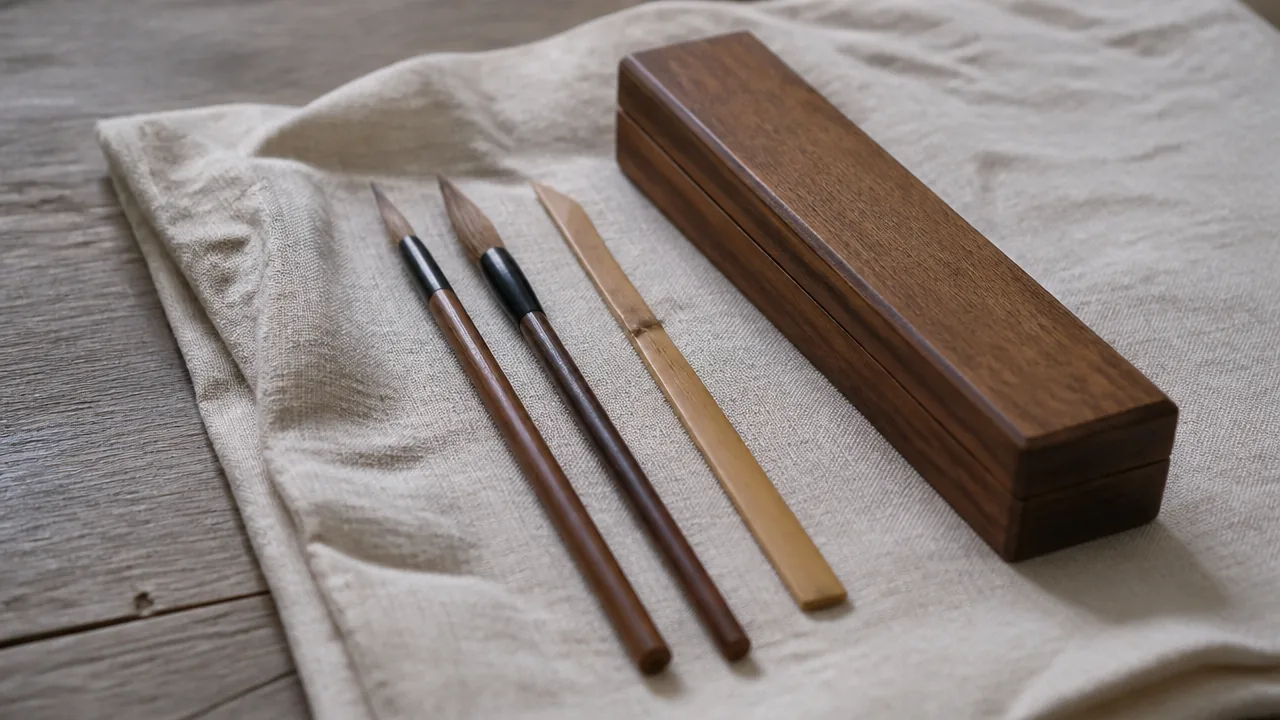
Brushes are usually the first tools to fail, and the cause is almost always residue left on the bristles rather than age. Clean each brush soon after use, because dried lacquer or powder residue can stiffen the bristles for good. Many lacquer workers clear urushi from a brush with a light vegetable oil and then wash the oil out with mild soap and warm water, but methods differ, so check your supplier’s instructions.
Once the tools are clean:
- Let brushes dry fully, reshape the bristles gently with your fingers, and store them lying flat or hanging with the bristles free. Resting a brush tip-down in a jar bends the bristles over time.
- Keep the application brush for powder and the finishing brush separate, and store them apart so residue does not transfer from one to the other.
- Natural-hair brushes can attract pests such as moths, so a closed box or lidded tube is a better home than an open jar.
- Store bamboo spatulas flat rather than standing upright in a jar. Bamboo can warp in humid conditions, and a warped edge no longer sits flush against a repair line.
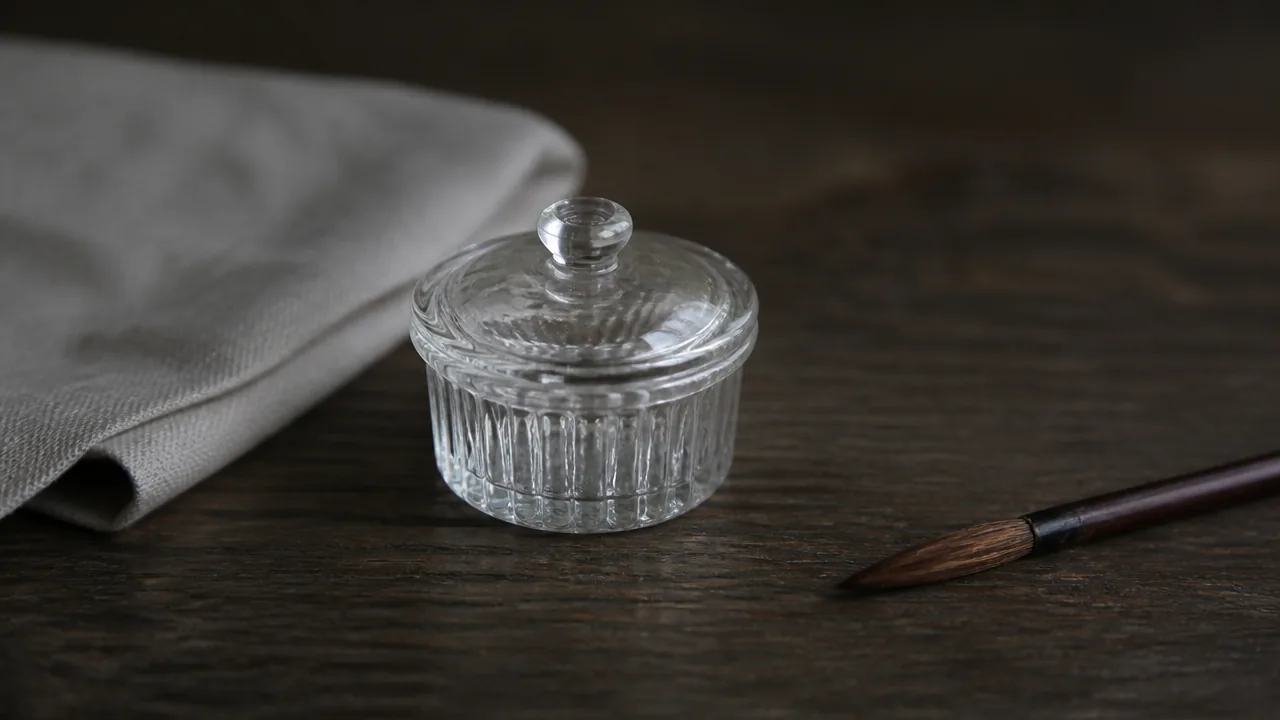
- Wipe out the wells of your mixing dish before lacquer or pigment dries, then keep the dish covered or boxed so dust stays out.
A set that is cleaned and stored this way can last through many repairs over several years.
Best Containers and Places for Your Supplies
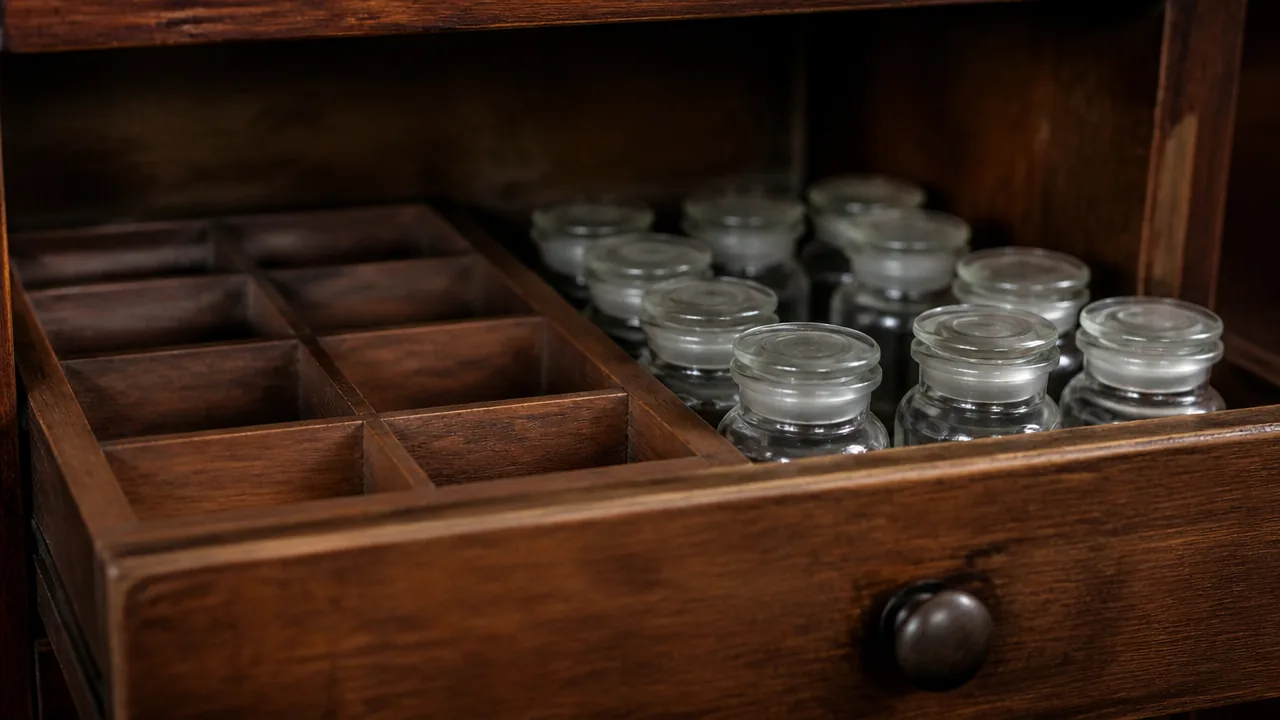
The best storage spot is a boring one: a closed cabinet or drawer in a room with a fairly stable temperature, away from windows, radiators, stoves, and bathrooms. Garages, attics, and car trunks swing too far between hot and cold, and a sunny windowsill exposes lacquer and pigment to heat and light.
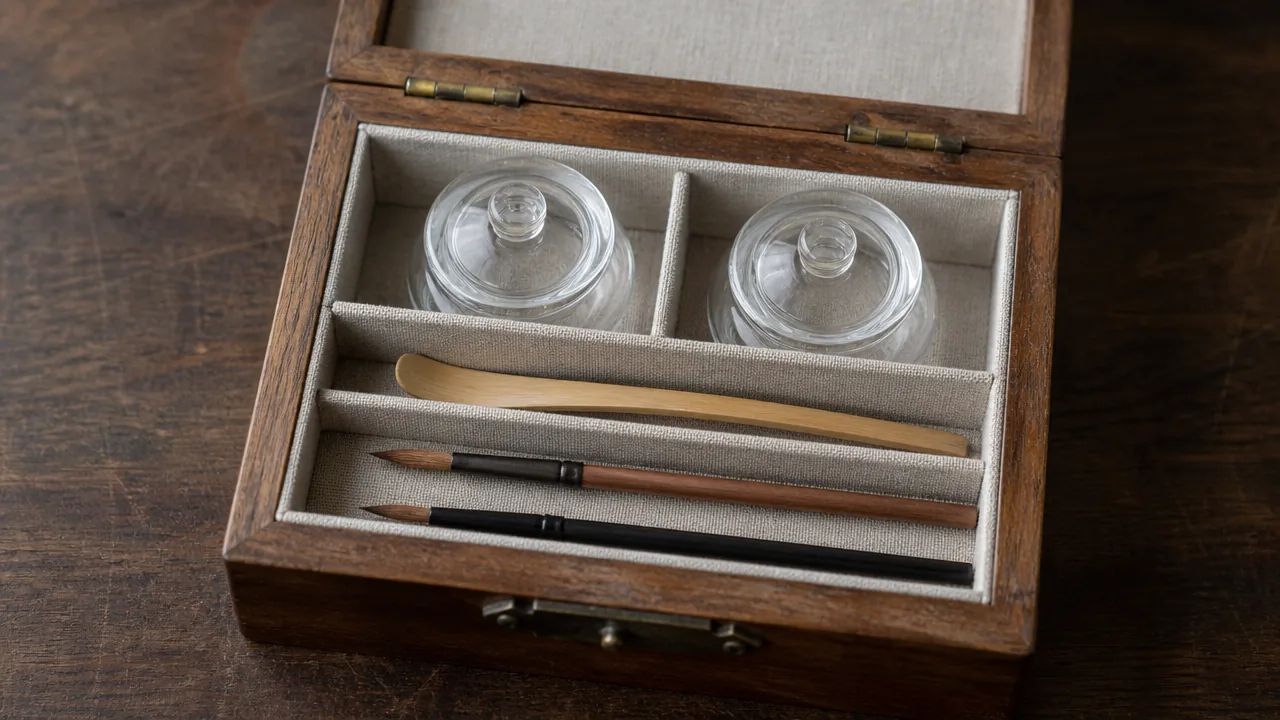
For containers, a lidded box with compartments, such as a small tool box or a wooden box with dividers, keeps everything in one place and out of the dust. Small glass jars with tight lids suit powders and pigments, and a plastic or metal box with a firm lid makes a good outer layer. Do not share containers with food, and label every jar with its contents and the date you opened it.
| Supply | Best conditions | Main risk if stored badly |
|---|---|---|
| Urushi lacquer | Tightly closed jar, cool and shaded, kept out of the humid curing box | Thickens or hardens in the jar |
| Genuine gold powder | Capped vial, upright, inside a second sealed container, dry | Moisture, dust, and spills |
| Brass and silver powder | Same as gold, in a separate labeled container | Color change over time |
| Brushes | Clean, dry, lying flat or hanging, in a closed box | Stiff, bent, or pest-damaged bristles |
| Bamboo spatulas | Flat and dry, away from damp | Warping |
Keep the curing box and the storage box separate. The humid muro, or a home-made version, is for objects that are curing, and putting jars, powders, or brushes inside it invites the very problems described above.
If you also keep epoxy for glass or quick repairs, store it separately according to its own label, since its needs differ from those of urushi.
Frequently Asked Questions
Does urushi go bad if I store it for a long time?
Urushi is a natural lacquer that reacts with moisture and oxygen, so an opened jar can slowly thicken over time. How long it stays usable varies by product and by storage conditions, so check your supplier’s guidance. If it has become lumpy, stringy, or partly hardened, or no longer flows when stirred, test it on scrap before using it on a real repair.
Should I keep urushi in the refrigerator?
Some suppliers recommend it and others suggest a cool, shaded cupboard, so follow the label on your product. If you do chill a jar, let it warm to room temperature before opening it so condensation does not get into the lacquer, and keep it in a closed, labeled container that is separate from food and out of reach of children.
How do I keep gold powder from clumping or spilling?
Keep the vial upright with the cap tight, and place it inside a second sealed container with a silica gel sachet. Take powder out with a clean, dry spoon or brush over a tray, and never return unused powder to the vial.
Can I store my brushes standing in a jar?
It is better not to, at least not tip-down. Resting the bristles on the bottom of a jar bends them over time. Once brushes are clean and dry, store them lying flat or hanging with the bristles free, in a closed box.
Related Reading
If you are deciding what belongs in your supply box, start with Best Japanese Kintsugi Tools: Brushes, Spatulas, and What You Actually Need for the brushes, spatulas, and mixing dish. Best Kintsugi Glue and Gold Powder for Repairs 2026 covers lacquer and powder grades, including why brass changes color and genuine gold does not. If you are still choosing what to buy for a first repair, Kintsugi Kit for Beginners: Authentic Urushi vs Synthetic Resin compares the two approaches.
Keep urushi tightly closed and cool, keep powders sealed and dry, clean brushes after every session, and label everything, and your supplies will still be usable for the next repair.